Introduction
A clean pool is essential for enjoying a refreshing swim, and a Swimming Pool Sand Filter plays a crucial role in maintaining water quality. But how long does this vital piece of equipment last?
In this article, we will explore the lifespan of a Swimming Pool Sand Filter, factors that affect its longevity, and how to properly maintain it. You'll also learn when it’s time to replace the filter to keep your pool in top condition.
What is a Swimming Pool Sand Filter?
Understanding the Functioning of Sand Filters
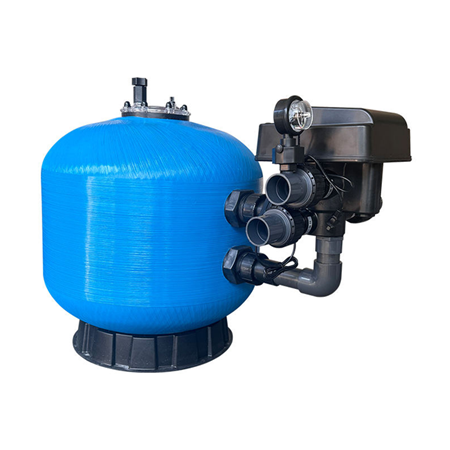
A Swimming Pool Sand Filter is designed to remove debris, dirt, and other contaminants from the pool water by passing the water through a bed of specially graded sand. The sand particles trap larger debris and impurities while allowing clean water to flow back into the pool. This process ensures that your pool remains clean and clear, providing a safe and enjoyable swimming environment.
The structure of the filter includes a tank filled with a layer of sand, with water being pumped into the system. Once the water passes through the sand, it exits the filter, free from unwanted particles. Over time, the sand may become clogged with debris, reducing the filter’s efficiency.
Types of Swimming Pool Sand Filters
There are generally two types of Swimming Pool Sand Filters: traditional and high-efficiency sand filters.
● Traditional Sand Filters: These filters use silica sand as the filtration media. They are affordable, effective, and require less maintenance than other types.
● High-Efficiency Sand Filters: These filters use a more advanced filtration media, such as glass or zeolite, which can trap smaller particles, making them more efficient and longer-lasting.
Both types operate similarly, but the high-efficiency filters often provide superior filtration and can last longer with proper maintenance.
How Long Do Swimming Pool Sand Filters Last?
Standard Lifespan of Sand Filters
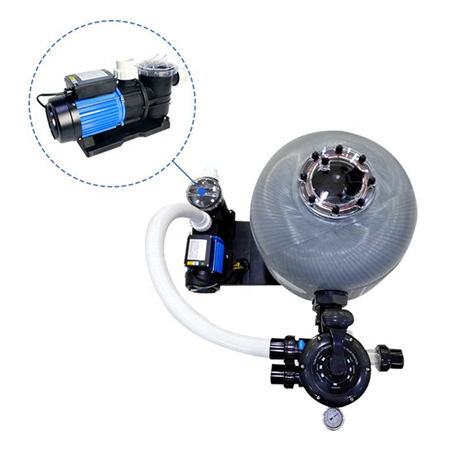
Generally, a Swimming Pool Sand Filter can last anywhere between 7 to 10 years. The lifespan depends on several factors such as the quality of the filter, frequency of maintenance, and pool usage. The filter media—the sand inside the filter—usually needs replacing every 7 to 10 years as it gradually loses its ability to trap dirt effectively. On the other hand, the filter tank can last much longer, typically 15 to 20 years, provided it's well-maintained.
When to Replace the Filter Media and the Filter Tank
● Filter Media: After several years of use, the sand or other media inside the filter will lose its sharpness and ability to capture particles effectively. It's recommended to replace the sand every 5 to 7 years to ensure efficient filtration. If you use a high-efficiency filter media, it can extend the lifespan of your filter media.
● Filter Tank: The tank can last up to 20 years if maintained properly, although it may start showing wear and tear after 15 years, especially if subjected to harsh environmental conditions. If the tank cracks or becomes damaged, it’s time to replace it.
Part | Expected Lifespan |
Filter Media | 7 to 10 years |
Filter Tank | 15 to 20 years |
Key Factors That Affect the Lifespan of Sand Filters
Several factors can influence the lifespan of a Swimming Pool Sand Filter. Understanding these factors can help you maximize the filter’s efficiency and prolong its life.
Frequency of Pool Use
The more often the pool is used, the harder the sand filter has to work. Regular pool use increases the amount of debris and contaminants in the water, leading to more frequent filter maintenance. If your pool is heavily used, you may need to clean the filter more often, which can lead to earlier wear and tear.
Water Chemistry and Pool Maintenance
Proper water chemistry is critical for the longevity of your sand filter. If the pool’s pH levels are out of balance or the chemical levels are too high, it can cause the sand to degrade faster. Regular water testing and adjustments are essential for keeping the filter working at its best. Additionally, maintaining clean skimmers and performing regular backwashing are important practices.
Condition of the Sand Filter
The filter’s condition directly affects its lifespan. Regular inspection for leaks, cracks, and signs of wear can help identify problems before they worsen. Keeping the filter clean and running it at the recommended speed will help prevent unnecessary strain on the system.
How to Tell if Your Sand Filter Needs Replacing?
Signs of Reduced Efficiency
As your Swimming Pool Sand Filter ages, its efficiency may decrease. Some common signs include:
● Cloudy Water: If your pool water is consistently cloudy despite regular maintenance, it could indicate that the filter media is no longer working effectively. You may need to replace the sand or other filter media.
● Decreased Filtration Efficiency: When the filter is no longer trapping dirt effectively, you may notice debris floating in the pool. If the water doesn’t clear up after the filter runs, it’s time to check the filter.
● Reduced Water Flow: If you notice a significant drop in water flow, it could be due to clogged or damaged sand in the filter. Inspecting and replacing the media can restore water flow.
High and Low Pressure Issues
Both high and low pressure readings on the filter pressure gauge can be signs of a problem:
● High Pressure: This could indicate that the filter is clogged with debris or the filter media is too compacted. You may need to backwash the filter or replace the media.
● Low Pressure: Low pressure can occur when the filter is underperforming due to clogged or ineffective sand. It can also be a sign of a pump issue.
How to Extend the Life of Your Swimming Pool Sand Filter?
Regular Cleaning and Maintenance
Regular maintenance is key to extending the lifespan of your Swimming Pool Sand Filter. Here are some essential tips:
● Backwashing: Backwash your sand filter regularly to remove debris and prevent clogs. This process helps clean the filter media and ensures better water flow.
● Rinsing: After backwashing, rinse the filter to remove any remaining debris. This keeps the sand in good condition and improves filtration efficiency.
● Cleaning the Tank: Periodically inspect and clean the filter tank to remove any buildup that could reduce the filter’s performance.
Choosing the Right Filter Media
When replacing the sand or other filter media, it’s essential to choose the right type. Silica sand is the most common, but higher-efficiency materials like glass or zeolite can provide better filtration and last longer.
Preventing Overuse and Overworking the Filter
Avoid running the filter for longer than necessary. Overworking the filter can wear it out prematurely. Most pool filters are designed to run for 8 to 10 hours per day. If you have a variable-speed pump, adjust the runtime to avoid excessive strain.
Common Issues with Sand Filters and Their Solutions
Incorrect or Insufficient Filter Media
Using the wrong type or insufficient amount of filter media can lead to poor filtration performance. Always use the recommended type and amount of sand or other media, and replace it when necessary.
Comparing Sand Filters to Other Types of Filters
It’s important to consider other filtration options like cartridge filters and Diatomaceous Earth (DE) filters. Here’s a quick comparison:
Filter Type | Lifespan | Maintenance | Efficiency |
Sand Filters | 7-10 years | Moderate | Good |
Cartridge Filters | 5-10 years | High (needs cleaning) | High |
DE Filters | 5 years | Very High (frequent maintenance) | Very High |
Sand filters are generally the most affordable and require less maintenance compared to other types, but DE filters offer superior filtration, making them ideal for pools with higher filtration needs.
Conclusion
A Swimming Pool Sand Filter typically lasts 7 to 10 years, depending on factors like pool usage and maintenance. Regular checks and timely replacement are essential to maintaining optimal performance. By performing routine maintenance, such as backwashing and replacing the filter media, you can extend the filter's lifespan.
For high-quality, durable sand filters, Guangzhou Fenlin Swimming Pool & Sauna Equipment Co., Ltd. offers products designed for long-lasting efficiency. Their products ensure clean water and reliable performance, providing excellent value for pool owners.
FAQ
Q: How long does a Swimming Pool Sand Filter last?
A: A Swimming Pool Sand Filter typically lasts 7 to 10 years, depending on maintenance and pool usage.
Q: What factors affect the lifespan of a Swimming Pool Sand Filter?
A: Pool usage, water chemistry, and regular maintenance practices are key factors that influence the lifespan of a Swimming Pool Sand Filter.
Q: How can I extend the life of my Swimming Pool Sand Filter?
A: Regular backwashing, cleaning, and timely replacement of filter media will help extend the life of your Swimming Pool Sand Filter.
Q: How do I know when to replace the filter media in my Swimming Pool Sand Filter?
A: If your filter is not trapping debris effectively or if water flow is reduced, it's time to replace the filter media in your Swimming Pool Sand Filter.
Q: What is the cost to replace a Swimming Pool Sand Filter?
A: The cost of replacing a Swimming Pool Sand Filter varies depending on the size, brand, and features, but it typically ranges from $200 to $1,500.


