Introduction
Starting a race in swimming requires precision and power, and it all begins with the right equipment. Swimming pool starting blocks are crucial for providing swimmers the leverage they need to perform at their best.
In this article, we will explore the essential requirements for these starting blocks, from their size to their safety features. You’ll learn what makes a starting block suitable for competitive swimming and how they ensure fair and safe starts in every race.
Swimming Pool Starting Block Basic Requirements
Swimming pool starting blocks are essential for competitive swimming. They provide swimmers with the necessary leverage to launch into the water with maximum speed. These blocks must meet specific standards to ensure fair competition and swimmer safety. The governing body for swimming standards, FINA (International Swimming Federation), sets clear guidelines for the design and specifications of starting blocks.
FINA Regulations for Block Height
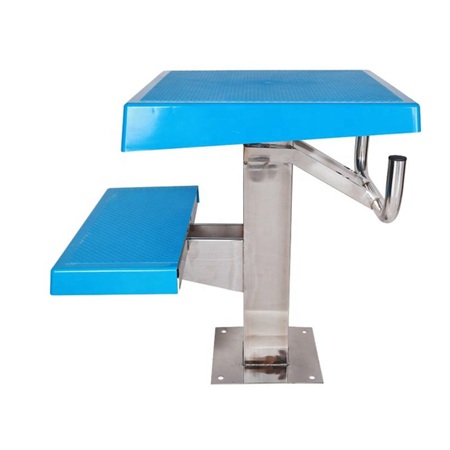
FINA regulations specify that the height of starting blocks must be between 50 cm to 75 cm from the water surface. This height allows swimmers to get an optimal launch while maintaining the correct posture. The height helps swimmers maximize their push-off power, which is crucial for achieving fast starts in races. A starting block that does not meet this requirement could lead to a disadvantage for athletes, especially in high-stakes competitive settings.
Starting Block Size Requirements
The minimum size for a starting block is 60x50 cm, which ensures enough space for swimmers to comfortably position themselves before the race. The platform must be large enough to support the swimmer’s feet securely, preventing them from losing balance during the start. A properly sized starting block helps swimmers position themselves optimally, which can directly impact their performance during the race. Inadequate block size can result in poor starts and potential injuries.
Starting Block Angle Requirements
The angle of the starting block platform should not exceed 10 degrees. This angle is designed to provide swimmers with the best leverage when pushing off. A platform that is too steep could cause swimmers to lose their balance, while one that is too shallow may not offer enough thrust. The angle requirement ensures that all swimmers are provided a fair and equal opportunity to launch off the blocks, regardless of their technique or physical build.
Safety Requirements for Starting Blocks
Safety is a top priority in competitive swimming. Starting blocks are designed to reduce the risk of injury and provide a stable and secure environment for swimmers before their races.
The Necessity of Anti-Slip Design
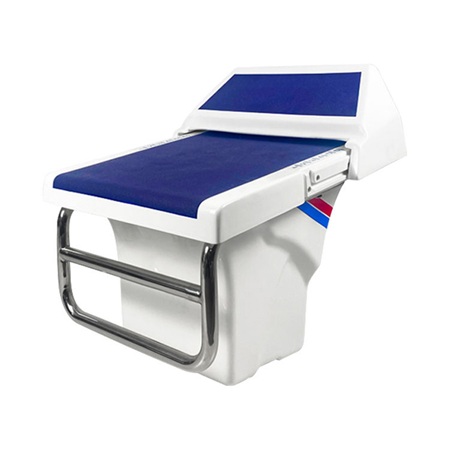
The surface of the starting block must be anti-slip to prevent swimmers from losing their grip before takeoff. Slippery surfaces are a significant safety concern, as they can cause slips and falls, leading to injuries. Anti-slip coatings on the platform provide swimmers with better traction, ensuring they stay in place when preparing for their race. This feature is especially important in wet environments like swimming pools, where water splashes can make surfaces dangerously slippery.
Back Support and Gripping Design
A key safety feature of starting blocks is the back support and gripping design. Many modern starting blocks come with adjustable back supports and ergonomic handles, allowing swimmers to secure themselves before launching. The back support is particularly important for backstroke swimmers, as it provides additional stability during their start. The handles allow swimmers to maintain a firm grip, reducing the risk of instability or slipping during the critical moment of the race start.
Materials and Structure of Starting Blocks
The materials used in the construction of starting blocks play a significant role in their durability, safety, and functionality. Starting blocks are commonly made from materials like stainless steel, fiberglass, or composite materials. Each material has its own advantages and considerations.
Stainless Steel Starting Blocks
Stainless steel is one of the most common materials used for high-quality starting blocks. Stainless steel is known for its durability and resistance to corrosion, which is essential in a wet, chlorinated environment like a swimming pool. These blocks are sturdy and can withstand the pressures of competitive use. However, they require regular maintenance to ensure they do not rust or become damaged. Stainless steel blocks are often more expensive, but they offer excellent longevity and safety for swimmers.
Fiberglass and Other Composite Materials
Fiberglass is another popular material used for making starting blocks. These blocks are lightweight, corrosion-resistant, and easy to maintain. Fiberglass blocks are typically more affordable than stainless steel ones and can be molded into various shapes to meet the specific needs of different swimmers. However, fiberglass blocks may not be as durable over the long term as stainless steel, especially when exposed to rough usage. Despite this, their ease of maintenance and affordability make them a common choice for schools and smaller competition pools.
Comparison of Materials for Starting Blocks
Material | Durability | Corrosion Resistance | Maintenance | Cost |
Stainless Steel | High | Excellent | High | Expensive |
Fiberglass | Medium | Good | Low | Affordable |
Composite | Medium | Good | Low | Moderate |
Table 1: Comparison of common materials used for swimming pool starting blocks.
Functions and Additional Requirements of Competitive Starting Blocks
In addition to meeting basic structural and safety requirements, competitive starting blocks have several additional features that enhance their functionality and performance.
Adjustable Back Support and Footrest Features
Many competitive starting blocks now come with adjustable back support and footrest features. These adjustable features allow for a customized experience for each swimmer. For example, backstroke swimmers may need more back support than freestyle swimmers, and the ability to adjust the footrest ensures swimmers of different heights and leg lengths can position themselves optimally for a powerful start. Adjustable features ensure the starting block can cater to a wide range of athletes, improving both comfort and performance.
Standardized Numbering and Advertising Space
FINA regulations also mandate that starting blocks have standardized numbering on all four sides. This helps to clearly identify each lane during competition and ensures consistency across different venues. In addition to the functional requirement of numbering, starting blocks often have space for advertising on the backstop, providing an opportunity for sponsors. This is an added benefit for event organizers and sponsors who want to promote their brand during high-profile competitions.
Choosing the Right Swimming Pool Starting Blocks
Choosing the right starting block for a swimming pool depends on several factors, including the type of pool, the level of competition, and the budget.
Importance of Adaptability and Adjustability
When choosing starting blocks, adaptability and adjustability are crucial factors. Competitive swimming pools, especially those used in large competitions, need starting blocks that are fully adjustable to accommodate swimmers of different sizes and techniques. In contrast, school pools or smaller community pools may only need simpler, more basic starting blocks. Pools that host various types of events should prioritize blocks that can be easily modified for different requirements.
Budget and Cost-effectiveness Considerations
Budget is always an important consideration when selecting starting blocks. High-quality, stainless steel starting blocks offer the best performance but come at a higher price point. On the other hand, fiberglass blocks are more affordable and offer a good balance of performance and cost, making them a suitable option for pools that host less frequent competitive events. It’s important to weigh the benefits and costs of each type and choose a starting block that meets the pool’s specific needs while staying within budget.
Maintenance and Care for Starting Blocks
Starting blocks, like any pool equipment, require regular maintenance to ensure their durability and safety. Proper care can extend the lifespan of the blocks and keep them in good working condition.
Maintaining Stainless Steel and Fiberglass Starting Blocks
Both stainless steel and fiberglass starting blocks require regular cleaning and inspection to prevent damage from pool chemicals and wear and tear. Stainless steel blocks should be wiped down regularly to prevent rust, and fiberglass blocks should be checked for cracks or chips. Additionally, all moving parts, such as adjustable features and back supports, should be lubricated to ensure smooth operation. Regular maintenance ensures that starting blocks remain in top condition and provide consistent performance during events.
Corrosion Prevention and Common Repair Tips
Corrosion is a common issue for starting blocks, particularly those made of metal. To prevent corrosion, blocks should be cleaned after each use, and protective coatings or rust-resistant treatments can be applied. For minor repairs, such as tightening screws or replacing worn-out grips, it’s important to use original parts to ensure compatibility with the existing structure. Keeping the blocks free from debris and water damage will prolong their life and reduce repair costs.
Conclusion
Swimming pool starting blocks are essential for competitive swimming. They must meet specific size, height, and angle requirements to ensure a fair and safe race. These blocks enhance swimmers' performance and minimize injury risks. When selecting starting blocks, consider adaptability, material, and budget. Guangzhou Fenlin Swimming Pool & Sauna Equipment Co., Ltd. offers high-quality starting blocks that meet these standards, providing excellent value with durable, safe, and customizable designs.
FAQ
Q: What are the key requirements for swimming pool starting blocks?
A: Swimming pool starting blocks must meet FINA regulations, including specific height (50-75 cm), size (60x50 cm), and platform angle (max 10 degrees). These specifications ensure optimal performance and safety for swimmers.
Q: Why are swimming pool starting blocks important in competitions?
A: Swimming pool starting blocks are crucial for providing swimmers with the leverage they need to launch off the blocks quickly and safely, ensuring fair starts in competitive races.
Q: How do I choose the right swimming pool starting blocks?
A: When selecting swimming pool starting blocks, consider material, adjustability, and compliance with FINA regulations. For competitive pools, prioritize blocks with stability, safety features, and adaptability to various swimmer needs.
Q: What materials are used for swimming pool starting blocks?
A: Swimming pool starting blocks are commonly made of stainless steel or fiberglass. Stainless steel offers durability and corrosion resistance, while fiberglass is more affordable and easier to maintain.
Q: How can I maintain swimming pool starting blocks?
A: Regular cleaning, corrosion prevention, and lubrication of adjustable parts help maintain swimming pool starting blocks. Ensuring they remain free from debris and checking for wear will prolong their lifespan.


