Introduction
A well-functioning swimming pool pump is key to maintaining clean and healthy pool water. But with several options available, how do you choose the best one?
In this article, we'll explore the three main types of swimming pool pumps: single-speed, dual-speed, and variable-speed. You'll learn about their features, pros, and cons, helping you make an informed decision for your pool's needs.
Basic Functions and Importance of Swimming Pool Pumps
The Role of Swimming Pool Pumps
A swimming pool pump plays a critical role in maintaining the cleanliness and hygiene of the pool water. It circulates the water, allowing it to pass through the filtration system, which removes debris, dirt, and contaminants. Without a properly functioning pump, your pool’s water would quickly become stagnant and dirty, resulting in unhealthy swimming conditions.
In addition to circulating water through the filter, pool pumps also help distribute chemicals evenly throughout the pool. For example, when you add chlorine or other pool chemicals, the pump ensures that these chemicals are mixed into the water and distributed evenly, maintaining proper water chemistry.
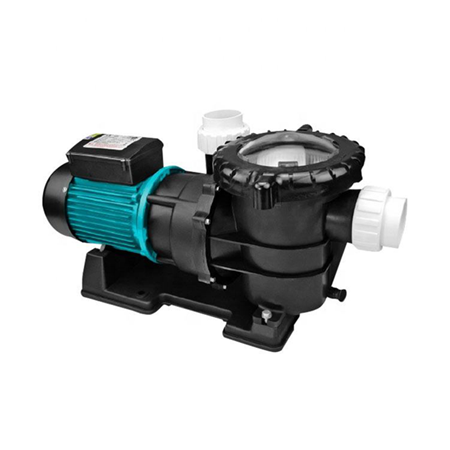
Factors to Consider When Choosing a Swimming Pool Pump
When selecting a swimming pool pump, there are several important factors to consider:
● Flow rate: The flow rate refers to the amount of water the pump can move per minute. It is essential to match the pump’s flow rate with the size of your pool. A pump with too low of a flow rate won’t be able to circulate the water effectively, while a pump with too high of a flow rate could waste energy and increase costs.
● Power: The power of the pump determines how efficiently it operates. A more powerful pump can move more water, but it also consumes more electricity. It's essential to find a balance between power and efficiency to reduce energy consumption while maintaining optimal water circulation.
● Noise: Pool pumps can be noisy, which can be a concern if your pool is located near living areas. Opting for a quieter pump can make your pool experience more enjoyable.
The Relationship Between Pumps and Water Filtration Systems
The pump and filtration system work together to ensure that the pool water remains clean. The pump draws water from the pool, pushing it through the filter. The filter removes debris and particles from the water before it is returned to the pool. Without the pump, the filtration system wouldn’t be able to function, and the pool would not stay clean.
The Three Main Types of Swimming Pool Pumps
Single-Speed Swimming Pool Pumps
Single-speed pumps are the most basic type of pool pump. They operate at a fixed speed, meaning they run at the same power level regardless of the pool's needs. These pumps are typically less expensive than other types but tend to be less efficient because they use the same amount of energy at all times.
Pros:
● Lower upfront cost
● Simple design and operation
● Reliable for smaller pools or infrequent use
Cons:
● Less energy-efficient
● Higher operating costs
● Can be noisy
Single-speed pumps are suitable for smaller pools with minimal circulation needs, or in situations where pool usage is not frequent.
Dual-Speed Swimming Pool Pumps
Dual-speed pumps provide two speed settings: a low-speed setting for regular circulation and a high-speed setting for more demanding tasks like vacuuming or running the pool heater. These pumps offer more versatility and energy savings compared to single-speed pumps because they allow you to adjust the power based on the pool's needs.
Pros:
● More energy-efficient than single-speed pumps
● Flexible operation with two-speed options
● Lower noise at low speed
Cons:
● Higher initial cost compared to single-speed pumps
● Slightly more complex to operate
Dual-speed pumps are ideal for larger pools or pools with more complex filtration needs. The ability to run at a low speed for regular circulation and a high speed for additional tasks makes them more energy-efficient.
Variable-Speed Swimming Pool Pumps
Variable-speed pumps are the most advanced and energy-efficient option. They use a motor that can be adjusted to a wide range of speeds, allowing the pump to run at the optimal speed for different tasks. Variable-speed pumps are known for their ability to reduce energy consumption significantly, making them the best choice for long-term savings.
Pros:
● Maximum energy efficiency
● Quiet operation
● Long lifespan with low maintenance
Cons:
● Higher upfront cost
● Requires professional installation
Variable-speed pumps are perfect for pools with high filtration needs or for homeowners who want to minimize energy consumption. They offer superior performance and can be programmed to run at different speeds based on specific tasks.
How to Choose the Right Swimming Pool Pump Based on Needs
Assessing Pool Size and Water Flow Requirements
When choosing a pool pump, the size of your pool is one of the most important factors to consider. Larger pools require pumps with higher flow rates to ensure proper circulation and filtration. It's essential to match the pump's flow rate to the volume of water in your pool. A pump that is too small for your pool will struggle to circulate the water effectively, while an oversized pump could waste energy and increase your utility bills.
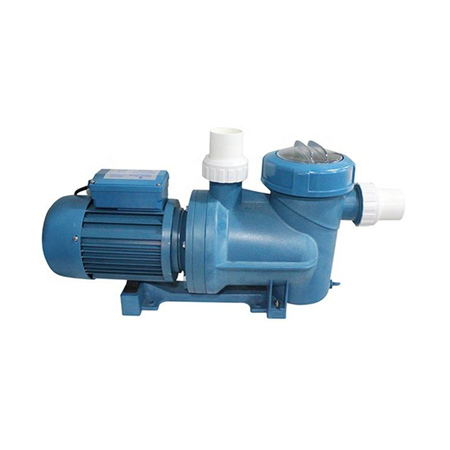
Considering Energy Efficiency and Long-Term Operating Costs
Energy efficiency is crucial when selecting a swimming pool pump. Although variable-speed pumps come with a higher upfront cost, they offer significant energy savings in the long run. By operating at lower speeds for routine circulation, these pumps consume less energy and reduce electricity costs. Additionally, dual-speed pumps offer a good balance of energy savings and performance.
Ease of Maintenance and Care
Regular maintenance is essential for keeping your swimming pool pump running efficiently. Look for pumps that are easy to maintain and service. Many modern pumps come with self-cleaning features or filters that require minimal attention. When choosing a pump, also consider the availability of spare parts and the manufacturer's customer support to ensure you can easily maintain your system over time.
Common Swimming Pool Pump FAQs
How to Address Noise Issues with Swimming Pool Pumps?
Noise can be a concern with pool pumps, especially if your pool is located near living areas. To address noise issues, consider investing in a quieter pump, such as a variable-speed pump, which operates more quietly at lower speeds. Additionally, ensure that the pump is properly installed and positioned to minimize vibration and noise.
Tip: When replacing a pump, opt for models designed specifically for quiet operation. Features such as sound-dampening materials or vibration-reducing mounts can make a significant difference in noise levels.
How to Determine if a Swimming Pool Pump Needs to Be Replaced?
Over time, swimming pool pumps can lose efficiency or stop working altogether. Signs that your pump may need to be replaced include:
● Unusual noises or vibrations
● Decreased water circulation
● Leaking water
● High energy bills despite consistent usage
If your pump is frequently breaking down or its efficiency is significantly reduced, it may be time to consider a replacement.
Future Trends in Swimming Pool Pumps
Trends in Smart and Automated Pumps
Smart pool pumps are becoming increasingly popular due to their ability to automate the pool's operation. These pumps can be connected to smartphones or smart home systems, allowing you to control the pump remotely. Some smart pumps also include features like self-diagnosis, which helps detect potential issues before they become major problems.
Tip: Consider upgrading to a smart pool pump for convenience and energy savings. These pumps offer real-time monitoring and remote control, making pool management easier than ever.
Impact of New Materials and Technologies on Pump Performance
As technology continues to evolve, new materials and design innovations are improving the efficiency and durability of swimming pool pumps. Newer pumps are made from corrosion-resistant materials, reducing wear and tear and extending the lifespan of the pump. Additionally, more energy-efficient motors and better sealing systems are making pumps quieter and more reliable.
Type of Pump | Energy Efficiency | Noise Level | Cost (Upfront) | Maintenance Needs |
Single-Speed Pump | Low | High | Low | High |
Dual-Speed Pump | Moderate | Moderate | Moderate | Moderate |
Variable-Speed Pump | High | Low | High | Low |
Conclusion
In this article, we explored the three main types of swimming pool pumps: single-speed, dual-speed, and variable-speed. Each type offers distinct features suited to different pool sizes and needs. When choosing a pump, consider factors like flow rate, energy efficiency, and maintenance.
For high-quality swimming pool pumps, Guangzhou Fenlin Swimming Pool & Sauna Equipment Co., Ltd. offers reliable and energy-efficient solutions. Their products are designed to meet various pool requirements, ensuring optimal performance and long-term savings.
FAQ
Q: What is a swimming pool pump?
A: A swimming pool pump is a vital piece of equipment that circulates water through the pool's filtration system, ensuring cleanliness and maintaining water hygiene.
Q: What are the three types of swimming pool pumps?
A: The three main types of swimming pool pumps are single-speed, dual-speed, and variable-speed pumps, each offering different levels of energy efficiency and control.
Q: How do I choose the right swimming pool pump?
A: Consider factors like your pool size, energy efficiency, and maintenance needs. Variable-speed pumps are more energy-efficient, while single-speed pumps are more affordable upfront.
Q: Why should I choose a variable-speed swimming pool pump?
A: Variable-speed pumps are highly energy-efficient and reduce long-term operating costs. They are ideal for pools requiring variable flow rates.
Q: How much does a swimming pool pump cost?
A: Swimming pool pump costs vary based on type and size. Single-speed pumps are generally cheaper, while variable-speed pumps can be more expensive initially but save on energy costs over time.


