Introduction
Proper installation of Swimming Pool Starting Blocks is a critical factor in ensuring athlete safety, competition fairness, and long-term equipment durability. Whether used in competitive swimming facilities, training pools, or educational environments, starting blocks must be securely anchored, accurately aligned, and compliant with safety standards. Incorrect installation can compromise swimmer performance, increase injury risks, and lead to costly structural damage over time. This guide delivers a detailed, practical framework for installing pool starting blocks correctly, focusing on preparation, installation methods, safety considerations, and post-installation validation.
Understanding Installation Requirements for Swimming Pool Starting Blocks
Installing Swimming Pool Starting Blocks begins with understanding their functional demands and regulatory expectations. Starting blocks are subjected to dynamic forces generated by explosive swimmer takeoffs, making structural stability non-negotiable. Before installation, it is essential to assess pool type, deck material, water depth, and intended usage level—training versus competition.
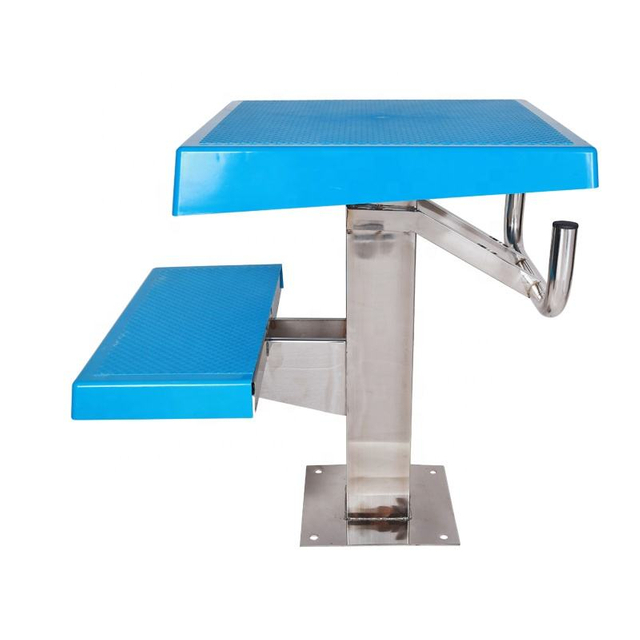
Different block configurations such as Low Profile, Dual-Post, or with Backstroke Ledge designs impose distinct installation requirements. For example, competition-grade blocks require precise height positioning and setback distances to align with standard swimming regulations, while Portable or Removable starting blocks prioritize flexibility but still require secure anchoring systems.
Environmental factors also influence installation. Indoor pools demand corrosion-resistant anchoring hardware, while outdoor pools require additional considerations for temperature variation and moisture exposure. Planning must also account for deck load-bearing capacity to ensure it can handle repeated impact stress without cracking or loosening over time. Proper understanding at this stage prevents rework, ensures compliance, and extends the service life of Swimming Pool Starting Blocks.
Preparing the Pool Deck and Structural Foundation
Deck preparation is the most overlooked yet most critical step when installing Swimming Pool Starting Blocks. The pool deck must be level, structurally sound, and free of surface defects. Any cracks, uneven surfaces, or water damage should be repaired before installation begins, as these weaknesses can undermine anchoring integrity.
Concrete decks typically require core drilling or anchor bolt insertion. Hole depth, diameter, and spacing must match the mounting specifications of the starting blocks. Precision here ensures that the blocks sit flush and remain immobile under force. For facilities using Removable starting blocks, recessed anchor sockets must be installed accurately to allow repeated attachment without degrading deck integrity.
Surface finishing also plays a role. An Anti-slip Surface surrounding the block area reduces the risk of accidental slips during setup and athlete staging. Drainage slopes must remain intact to prevent water pooling around mounting points, which could accelerate corrosion. Proper deck preparation establishes a stable foundation that supports both safety and performance.
Step-by-Step Installation Process for Pool Starting Blocks
The installation of Swimming Pool Starting Blocks should follow a controlled, sequential process to ensure precision and consistency. Begin by marking exact block positions according to lane alignment and setback requirements. Use laser or string alignment tools to ensure blocks are centered and parallel to pool lanes.
Next, secure anchor bolts or mounting plates according to manufacturer torque specifications. Over-tightening can crack concrete, while under-tightening risks movement during use. Once the base is fixed, the block platform is mounted and leveled to ensure uniform height across all lanes.
Adjustable components such as footrests or with Backstroke Ledge attachments should be calibrated carefully. These features directly affect swimmer positioning and must lock firmly without play. Final tightening should occur only after all components are aligned and tested for stability.
Example Installation Component Overview
| Component | Purpose | Installation Focus |
| Anchor Bolts | Structural fixation | Correct depth & torque |
| Platform Surface | Athlete grip | Level & Anti-slip Surface |
| Footrest | Takeoff leverage | Secure locking |
| Backstroke Ledge | Backstroke starts | Adjustable, rigid fit |
Each step reinforces the mechanical reliability of Swimming Pool Starting Blocks, ensuring consistent performance across all lanes.
Safety, Compliance, and Performance Optimization
Safety considerations are inseparable from proper installation. Swimming Pool Starting Blocks must comply with pool safety regulations related to height, setback distance, and water depth clearance. Incorrect positioning can lead to shallow-angle entries and increased injury risk.
The platform surface must maintain reliable traction, particularly when wet. An Anti-slip Surface is essential, but it must also be securely bonded to avoid peeling or uneven wear. Railings, grips, and edges should be inspected to eliminate sharp corners or protrusions.
Performance optimization is achieved through uniform installation. When blocks across lanes are aligned identically, swimmers experience consistent starting conditions, preserving fairness in competition. Low Profile designs may require closer attention to platform height, while Dual-Post blocks demand symmetrical load distribution. Proper installation ensures that safety enhancements never compromise athletic performance.
Installation Differences by Starting Block Design Type
Different types of Swimming Pool Starting Blocks introduce unique installation challenges. Portable starting blocks require weighted or suction-based stabilization systems rather than permanent anchors. These systems must be tested thoroughly to ensure they do not shift during explosive starts.
Dual-Post blocks distribute load across two mounting points, increasing stability but requiring precise alignment to prevent torsional stress. Low Profile blocks often integrate with deck contours, making accurate deck preparation even more critical.
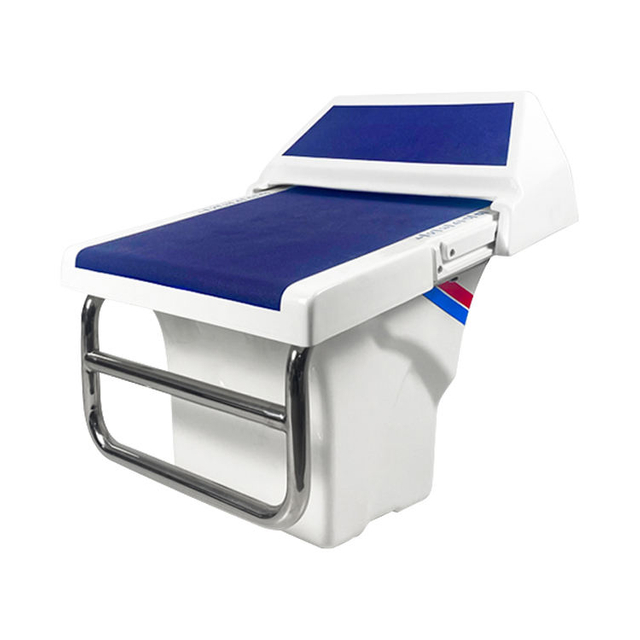
Blocks with Backstroke Ledge require additional clearance behind the wall and precise adjustment to accommodate swimmer grip without interfering with pool structure. Removable systems demand durable anchor sockets that maintain tight tolerances despite repeated use. Understanding these distinctions ensures that each design type is installed according to its functional intent rather than a one-size-fits-all approach.
Post-Installation Inspection, Testing, and Maintenance
After installation, Swimming Pool Starting Blocks must undergo thorough inspection and functional testing. Apply controlled force to verify stability, check for any platform flex, and confirm that all adjustable components lock securely. Visual inspection should confirm flush mounting and absence of deck damage.
Routine maintenance is equally important. Fasteners should be checked periodically for loosening, especially in high-use facilities. Surfaces with Anti-slip Surface treatment should be cleaned using non-abrasive methods to preserve traction. For Removable or Portable blocks, anchor interfaces should be inspected for wear to maintain secure fitment over time.
Post-installation diligence ensures that the blocks continue to perform safely and consistently throughout their service life.
Conclusion
Properly installing Swimming Pool Starting Blocks is a systematic process that combines structural preparation, precise alignment, safety compliance, and ongoing maintenance. Every step—from deck evaluation to final inspection—directly influences swimmer safety and performance consistency. By addressing installation requirements specific to different block designs such as Low Profile, Dual-Post, Portable, and with Backstroke Ledge, facilities can ensure reliable operation and long-term durability. A disciplined installation approach protects both athletes and infrastructure while supporting high-performance swimming environments.
FAQ
Q1: Can Swimming Pool Starting Blocks be installed on existing pool decks?
Yes, provided the deck is structurally sound and properly prepared to accept anchor systems without compromising integrity.
Q2: How often should installed starting blocks be inspected?
High-use facilities should perform inspections monthly, with more frequent checks for Portable or Removable systems.
Q3: Are Anti-slip Surfaces mandatory for starting blocks?
While requirements vary, an Anti-slip Surface is strongly recommended to reduce slip risk and improve start consistency.
Q4: Do blocks with backstroke ledges require special installation?
Yes, with Backstroke Ledge designs require precise clearance, alignment, and secure adjustment mechanisms to function safely.
Q5: Can improper installation affect competition results?
Absolutely. Misaligned or unstable Swimming Pool Starting Blocks can create unfair advantages or safety hazards during races.


