Underwater lighting failures carry high stakes. When a submerged fixture fails, you face water ingress, severe electrical hazards, and the massive disruption of draining a pool to replace the unit. Specifying the right fixture requires navigating strict technical specifications. You must evaluate IP ratings, niche compatibility, voltage requirements, and material grades to ensure the hardware survives continuous submersion and harsh chemical environments. Selecting the correct fixtures balances aesthetic requirements with structural realities. Whether you manage a new construction project or retrofit an existing concrete shell, understanding the mechanics of underwater illumination prevents catastrophic failures. We will break down a technical evaluation framework to help you specify the exact fixtures needed for safe, long-lasting underwater illumination.
IP68 is Non-Negotiable: Continuous underwater operation requires a strict IP68 rating, often supported by resin-filled waterproofing to prevent capillary action in cables.
Installation Dictates Selection: New builds benefit from standardized 1.5" nicheless fittings to avoid proprietary vendor lock-in, while renovations require careful matching to existing wet niches or exploring alternative perimeter lighting.
Material Grade Determines Lifespan: 316L stainless steel or high-grade marine polymers are required to withstand saltwater chlorinators and aggressive pool chemistry.
Low-Voltage Safety: Modern installations exclusively utilize 12V or 24V step-down transformers to eliminate shock hazards and meet contemporary electrical codes.
Baseline Success Criteria for Underwater LED Pool Lights
A successful underwater lighting specification hinges on three absolute criteria: zero water ingress, thermal stability, and uncompromising electrical safety. If a fixture fails in any of these areas, it becomes a liability. You cannot treat submerged lighting like landscape illumination. The constant pressure of water combined with corrosive pool chemicals demands a specialized approach to hardware selection. When you install a light three feet underwater, it faces continuous hydrostatic pressure that will exploit any weakness in the housing or cable entry point.
Continuous submersion requires strict adherence to the IP68 standard. IP68 indicates that a fixture is entirely dust-tight and protected against prolonged effects of immersion under pressure. However, not all IP68 ratings perform equally in the field. Traditional gasket-sealed fixtures rely on rubber O-rings to keep water out. Over time, chlorine, bromine, and UV exposure degrade these rubber seals. Once the gasket hardens and cracks, water enters the housing and destroys the internal electronics. Modern engineering solves this by utilizing factory-sealed, resin-filled designs. A resin-filled IP68 pool light encapsulates the LED board entirely in a solid waterproof epoxy compound, rendering gasket failures irrelevant. We see this constantly on job sites; resin-filled units simply outlast traditional hollow housings because there is no empty cavity for water to flood.
Electrical safety drives the transition from legacy 120V systems to modern low-voltage configurations. Pushing line voltage into a body of water introduces severe shock hazards. Contemporary installations rely exclusively on 12V or 24V systems. You must use an isolating step-down transformer to convert the primary voltage. Local electrical codes, such as NEC Article 680, strictly govern these installations. The transformer physically separates the pool water from the main electrical grid, ensuring swimmer safety even if a fixture sustains physical damage. When pulling wire for these low-voltage systems, you must account for voltage drop. A 12V system running through 100 feet of conduit requires a significantly thicker wire gauge, often 10 AWG or 8 AWG, compared to a 120V system to deliver adequate power to the diodes. Failing to upsize the wire results in dim lights and overheating transformers.
Thermal management presents another engineering challenge. High-output LEDs generate significant heat at the diode level. Unlike open-air fixtures that use aluminum heat sinks and ambient air for cooling, submerged lights rely entirely on the surrounding pool water to dissipate thermal energy. Operating these fixtures while the pool is dry causes rapid overheating. The internal components will cook themselves within minutes. You must ensure the water level fully covers the fixture before applying power to maintain thermal stability and protect the LED diodes. Many modern fixtures include thermal foldback circuits that automatically dim the light if it gets too hot, but relying on this safety feature will eventually degrade the hardware.
Evaluating Installation Types: New Construction vs. Renovation
The structural phase of your project dictates how you mount the lights. New construction offers a blank canvas, allowing you to optimize conduit placement and fitting types before the gunite is shot. Renovations force you to work within the constraints of existing concrete shells, legacy wiring, and outdated niches that may no longer meet current building codes.
The industry has largely shifted away from bulky, traditional wet niches in favor of 1.5-inch nicheless wall fittings for new builds. Standard niches require large voids in the gunite or concrete, complicating structural engineering and increasing the risk of leaks around the housing. Nicheless fixtures fit directly into standard 1.5-inch return pipes. This approach requires much smaller wall penetrations, maintaining the structural integrity of the pool shell. More importantly, standardizing on a 1.5-inch fitting prevents proprietary vendor lock-in. You can easily swap fixtures from different manufacturers in the future without tearing up the pool wall or chipping out concrete.
When selecting the physical profile of the light, you must choose between surface-mounted and recessed options. Recessed lights sit flush with the pool wall. They offer a sleek hydrodynamic profile, preventing automatic pool cleaners from getting stuck on the fixture. Surface-mounted lights protrude slightly into the pool. While they are generally easier to install and require shallower wall penetrations, they disrupt the visual line of the pool interior and create obstacles for robotic cleaners. In high-traffic commercial pools, surface-mounted lights also present a minor impact hazard for swimmers pushing off the wall.
Retrofitting presents distinct challenges. Adding lights after construction often requires pulling new low-voltage cables through existing, sometimes compromised, Schedule 40 PVC conduit. If you have legacy incandescent niches, you can adapt modern LED engines to fit inside the old housings using universal adapter rings. However, if the existing conduit is crushed by ground settling or flooded with debris, pulling new wire becomes impossible. Over-the-wall drop-in solutions exist, but they leave unsightly cords draped over the coping. For completed pools where core-drilling new penetrations through gunite is structurally impractical, high-quality floating underwater LED pool light alternatives provide illumination without requiring invasive construction.
We also see growing demand for perimeter and coping lighting integration. Adding LED strip lighting under flagstone edges or coping complements the primary submerged fixtures. You must differentiate between splash zones and full submersion when specifying perimeter lights. Coping lights only require an IP65 or IP67 rating to handle splashes and rain. They cannot survive underwater. Keep perimeter lighting on a separate control circuit from your primary submerged lighting to allow independent operation and prevent voltage drop issues across different fixture types.
Here are the primary steps for evaluating a retrofit installation:
Inspect the existing conduit for blockages, water accumulation, or crushed sections using a fiberglass fish tape.
Verify the dimensions of the existing wet niche to ensure compatibility with modern retrofit LED engines.
Calculate the total wattage of the new fixtures to size the low-voltage transformer correctly.
Check the bonding grid connection at the light niche to ensure compliance with current electrical codes, specifically NEC 680.26.
Determine if the existing cable run is long enough to reach the junction box without any underwater splices.
Material Selection and Environmental Durability
Housing materials directly dictate the longevity of your lighting system. Pool water is an aggressive chemical environment. The combination of sanitizers, fluctuating pH levels, and dissolved solids will rapidly degrade inferior materials. Understanding the Langelier Saturation Index (LSI) is critical here; aggressive, corrosive water will attack metal housings, while scaling water will deposit calcium on the lenses, ruining optical clarity.
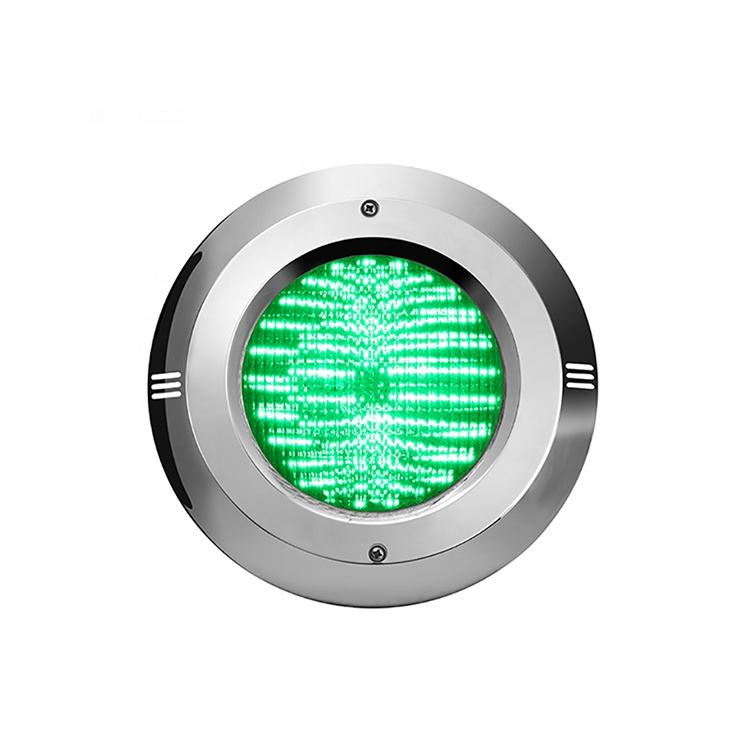
Stainless steel remains the premium choice for underwater housings, but the specific grade matters immensely. Standard 304 stainless steel will rust and pit when exposed to saltwater chlorine generators. If your project utilizes a salt system, specifying a 316L stainless steel pool light is mandatory. The "L" denotes low carbon content, and the alloy includes molybdenum, which significantly increases resistance to galvanic corrosion and chloride attacks. Even with 316L, you must maintain proper water chemistry and ensure the pool is properly bonded to prevent stray voltage from accelerating corrosion. We frequently replace rusted 304 fixtures in salt pools simply because the original installer failed to specify the correct marine-grade alloy.
High-impact plastics offer viable alternatives in highly corrosive environments where metal might struggle. Polycarbonate and ABS resin housings resist chemical degradation and eliminate the risk of galvanic corrosion entirely. These marine-grade polymers perform exceptionally well in extreme chemical conditions, though they lack the premium aesthetic finish of polished stainless steel. If you use ABS housings, ensure they are not left exposed to direct sunlight for weeks before installation, as UV radiation can degrade the plastic before it even hits the water.
Lens materials require a careful evaluation of trade-offs. Tempered glass provides excellent optical clarity and superior scratch resistance. However, it remains prone to shattering if struck by a heavy object, introducing dangerous glass shards into the pool. UV-stabilized polycarbonate lenses offer extreme impact resistance, virtually eliminating the shattering risk. The trade-off is that polycarbonate can suffer from minor scratching over time and may eventually cloud if exposed to excessive UV radiation or improper chemical balancing.
| Material Type | Primary Application | Corrosion Resistance | Impact Resistance |
| 304 Stainless Steel | Standard freshwater pools | Moderate (Will rust in salt pools) | High |
| 316L Stainless Steel | Saltwater and high-end pools | Excellent | High |
| ABS / Polycarbonate | Highly corrosive environments | Ultimate (Immune to galvanic corrosion) | Moderate to High |
| Tempered Glass (Lens) | Premium optical clarity | N/A | Low (Shatter risk) |
| UV Polycarbonate (Lens) | High-traffic / family pools | N/A | Excellent |
Optical Performance: Lumens, Color, and Control
Aesthetic choices directly impact the total number of fixtures required and the complexity of your electrical control system. You must calculate light distribution carefully to avoid dark spots and ensure even illumination across the entire water body. Water attenuates light differently than air. Red wavelengths are absorbed very quickly underwater, meaning red LEDs often appear dimmer than blue or green LEDs at the same wattage.
Color-changing capabilities transform the visual dynamic of the water. An RGB swimming pool light system utilizes red, green, and blue diodes to mix millions of potential colors. Control protocols vary significantly. Basic systems rely on power-cycle toggle switches; you flip the wall switch on and off rapidly to cycle through preset color modes. Advanced installations utilize dedicated Wi-Fi modules integrated into the pool automation system. This allows users to select specific colors, adjust brightness, and set automated schedules directly from a smartphone app. When wiring multiple RGB fixtures, ensure they are all connected to the same transformer and relay to guarantee color synchronization.
When specifying white light, color temperature defines the ambiance. The industry standard for underwater applications falls between 3000K and 4000K. This range produces a warm to neutral white that penetrates water beautifully and enhances the natural color of the pool finish. Avoid 6000K+ daylight bulbs. High Kelvin temperatures create a harsh, sterile, bluish glare that makes the water look artificial and uninviting. Warm white light also hides minor imperfections in the plaster better than cool white light.
Calculating fixture count requires analyzing beam angles, lumen output, and the interior finish of the pool. Dark plaster or black pebble finishes absorb massive amounts of light. A dark pool requires significantly higher lumen output—often double the fixtures—compared to a white plaster pool. Position lights to face away from the primary seating areas or house windows to prevent direct glare in the eyes of observers. Broad beam angles, typically around 120 degrees, provide smooth, overlapping washes of light, eliminating harsh shadows in the deep end. A standard rule of thumb is to place a fixture every 8 to 10 feet along the wall for uniform coverage.
Commercial Pool Lighting vs. Residential Requirements
Scaling from a single backyard installation to a large aquatic facility introduces strict compliance and safety mandates. Commercial installations require rigorous planning to meet municipal codes and ensure swimmer safety during night operations. You cannot simply install residential-grade hardware in a public facility and expect it to pass inspection.
Illumination standards for commercial facilities dictate exact lumens-per-square-foot requirements. Lifeguards must have absolute visual clarity to the bottom of the pool at all times. Commercial pool lighting specifications often mandate overhead lighting combined with high-output submerged fixtures to eliminate surface glare and shadows. You must calculate the exact photometric distribution to satisfy local health department inspections. Failure to meet these foot-candle requirements—often mandated at 0.5 to 1.0 foot-candles at the pool floor—will result in a failed inspection and delayed facility opening.
Automation and synchronization scale up dramatically in commercial settings. While a residential pool might sync three lights, a resort or municipal water park might need to synchronize dozens of fixtures across multiple separate water features. This requires scalable DMX control systems. DMX allows precise, individual addressing of every fixture on the property, enabling complex light shows and instant synchronization across the entire facility. DMX wiring requires shielded twisted-pair cables to prevent signal interference from nearby high-voltage equipment.
Certifications become a hard requirement for commercial liability and insurance compliance. You cannot install uncertified hardware in a public facility. Ensure every fixture carries recognized certifications such as UL, CE, or RoHS. These marks verify that the hardware has passed independent safety and environmental testing, protecting the facility from liability in the event of an electrical failure. Commercial pools also frequently require secondary containment systems or specific grounding protocols that go beyond standard residential codes.
Implementation Risks and Mitigation
Projects fail when installers overlook minor technical details during implementation. Mitigating these risks upfront prevents catastrophic failures and eliminates the need for complex rework after the pool is filled. Fixing a broken light in a dry pool takes twenty minutes; fixing it in a full pool requires specialized tools, diving gear, or draining thousands of gallons of water.
Cable wicking represents one of the most common causes of premature fixture failure. Water can travel up the internal wiring jacket through a process called capillary action. If the junction box floods, or if a splice is improperly sealed, water wicks straight down the copper wire and directly into the light housing. You mitigate this by specifying fixtures with factory-potted cable connections. The manufacturer seals the cable entry point with epoxy, physically blocking the capillary path. Additionally, you must ensure the junction box sits well above the water line and utilizes proper strain relief fittings. We also recommend sealing the conduit at the junction box with duct seal compound to prevent corrosive pool gases from entering the electrical enclosure.
Splicing underwater cables introduces massive risk. You should always order LED pool lights with a continuous cable run long enough to reach the above-ground junction box without any breaks. Never splice a cable inside the wet conduit. Even the best underwater splice kits eventually fail under continuous hydrostatic pressure. When water breaches a submerged splice, it shorts the entire lighting circuit and trips the GFCI breaker instantly. Always ensure your low-voltage lighting circuits are GFCI protected, even if the transformer steps the power down to 12V.
Warranty realities often catch installers off guard. Read the fine print before installation. Manufacturers routinely void warranties for improper installation practices. Cutting the factory cable too short, failing to install the required isolating transformer, or operating the lights out of water for even a few minutes will instantly void your coverage. Document the installation process, verify the transformer sizing matches the total wattage of the fixtures, and ensure all bonding requirements are met to protect your hardware.
Consult a licensed pool electrician to calculate the exact voltage drop for your specific conduit run length.
Measure the distance from the pool wall penetrations to the junction box and order fixtures with an extra 10 feet of continuous cable.
Verify your pool's interior finish color and increase the total lumen output specification by 50% if using dark plaster or pebble.
Install a dedicated 12V or 24V isolating transformer that exceeds the total combined wattage of your selected fixtures by at least 20%.
FAQ
Q: Can you add LED lights to a pool after construction?
A: Yes, retrofitting is possible if you have functional conduit and existing niches. You can pull new low-voltage cable and install modern LED engines. If no conduit exists, core-drilling existing gunite is highly invasive and structurally risky. In those cases, high-quality floating lights serve as a practical fallback.
Q: What is the difference between IP67 and IP68 pool lights?
A: IP67 ratings only protect against temporary immersion, typically up to one meter for 30 minutes. This works for splash zones or perimeter lighting. An IP68 rating is strictly required for continuous, long-term underwater submersion under pressure. Never install an IP67 fixture underwater.
Q: How long do underwater LED pool lights last?
A: High-quality LED fixtures typically last between 30,000 and 50,000 hours of operation. This lifespan depends heavily on proper thermal management and the integrity of the waterproofing. Resin-filled fixtures generally outlast gasket-sealed models by eliminating rubber seal degradation.
Q: How do I control the colors on my RGB swimming pool light?
A: Control methods range from basic to advanced. The simplest method uses a standard wall switch; toggling the power rapidly cycles through preset colors. More advanced setups use dedicated remote controls or integrate with Wi-Fi automation systems, allowing you to select exact colors via a smartphone app.
Q: Why is my stainless steel pool light rusting?
A: Rusting usually occurs if you use standard 304 stainless steel in a saltwater pool. Salt chlorine generators require marine-grade 316L stainless steel to resist chloride attacks. Unbalanced pool chemistry or improper electrical bonding can also cause stray voltage, leading to rapid galvanic corrosion.
Q: Are nicheless pool lights better than traditional niches?
A: Yes, for most new builds. Modern 1.5-inch nicheless lights require much smaller wall penetrations, preserving the structural integrity of the concrete shell and reducing leak risks. They also prevent brand lock-in, as the 1.5-inch standard allows you to swap fixtures from different manufacturers easily.


