Introduction
Swimming Pool Steps are a fundamental structural component designed to provide safe, controlled, and comfortable access into and out of a swimming pool. Unlike ladders, which rely heavily on upper-body strength and balance, pool steps offer a gradual, stable transition between dry ground and water. They play a crucial role in usability, safety, and accessibility for swimmers of all ages and physical abilities.
Understanding what pool steps are involves more than identifying their shape or position. It requires examining how they integrate with pool design, how they support safe movement, and how material and surface choices affect long-term performance. From Above Ground pools to permanent Inground installations, swimming pool steps are engineered to solve real problems related to slipping, fatigue, and entry anxiety. This article explores these aspects in depth to clearly define what pool steps are and why they matter.
What Are Swimming Pool Steps and Their Core Purpose
At their core, Swimming Pool Steps are tiered platforms installed inside or at the edge of a pool to allow users to enter and exit the water gradually. Each step reduces the height difference between land and water, minimizing physical strain and improving balance. This design addresses one of the most common challenges in pool usage: safe water access without abrupt drops or unstable movement.
The primary purpose of swimming pool steps is safety. Pools can become hazardous when users lose footing on wet surfaces or misjudge depth changes. Steps with defined riser heights and flat treads provide predictable movement paths, helping swimmers maintain control. Many modern designs include Anti-Slip textures to further reduce the risk of falls.
Beyond safety, pool steps improve comfort and usability. For beginners, children, or elderly swimmers, steps create a psychological sense of security. They also act as resting zones, where users can sit partially submerged. In this sense, Swimming Pool Steps function not just as access tools, but as active pool-use features that enhance the overall swimming experience.
Types of Swimming Pool Steps Based on Pool Design
The design of a pool directly influences the structure and placement of its steps. Swimming Pool Steps are commonly categorized based on whether they are used in Above Ground or Inground pools, as each presents different spatial and structural requirements.
Above Ground Swimming Pool Steps
Above Ground pool steps are typically freestanding or modular units positioned at the pool’s exterior and interior edge. They often feature a higher number of steps due to the elevated pool wall. These steps may include external stairs combined with internal pool steps, creating a continuous path from ground to water. Stability and weight-bearing capacity are especially important, making Heavy Duty construction a key consideration.
Inground Swimming Pool Steps
Inground pool steps are usually built into the pool shell or installed as molded inserts. They offer more design flexibility, including corner steps, curved entries, and wide platforms. These steps blend seamlessly into the pool structure and often feature Matte finishes to reduce glare and slipping.
The table below highlights key differences:
| Feature | Above Ground Pool Steps | Inground Pool Steps |
| Installation | Modular or detachable | Integrated or fixed |
| Height | Taller, multi-level | Gradual, shallow entry |
| Design Flexibility | Limited | Highly customizable |
| Load Requirement | Heavy Duty focus | Structural integration |
| Aesthetic Role | Functional | Functional + visual |
Materials and Surface Features of Swimming Pool Steps
The materials used in Swimming Pool Steps directly affect safety, comfort, and longevity. Most steps are manufactured from reinforced plastics, composite materials, or coated metal frames. Each material choice serves a specific functional purpose.
Plastic and composite steps are lightweight, corrosion-resistant, and comfortable underfoot. They are commonly used in both Above Ground and Inground applications. Reinforced versions are designed for Heavy Duty use, capable of supporting repeated entry and exit without flexing or cracking.
Surface treatment is equally important. Anti-Slip textures, such as ribbing or molded patterns, increase friction when surfaces are wet. Matte finishes reduce reflective glare from sunlight, which helps swimmers clearly see step edges underwater. Some designs integrate color contrast along step noses to improve depth perception.
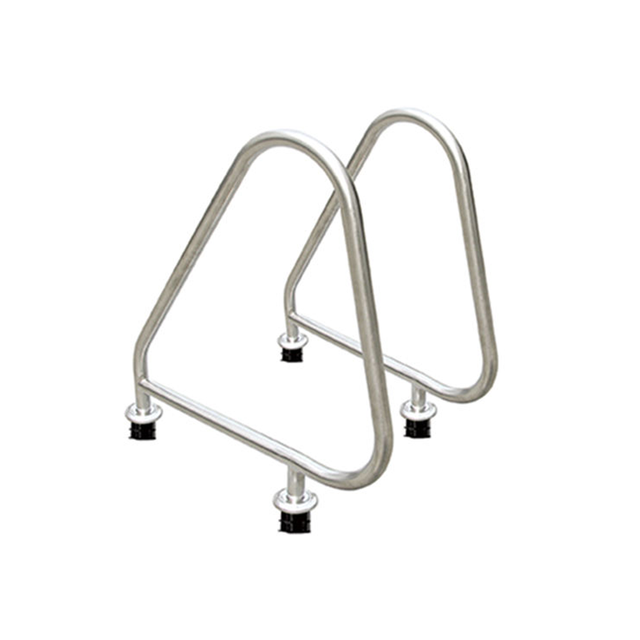
Steps designed with Handrails provide additional support, especially for users with limited mobility. Handrails are typically made from coated metal or composite materials and anchored securely to prevent movement. Together, material strength and surface design define how effectively swimming pool steps perform their intended role.
Safety Functions and Accessibility Benefits of Swimming Pool Steps
Safety is the defining function of Swimming Pool Steps, and their design reflects this priority at every level. By offering gradual depth transitions, steps reduce sudden immersion, which can cause panic or imbalance. This is particularly important for non-swimmers or first-time pool users.
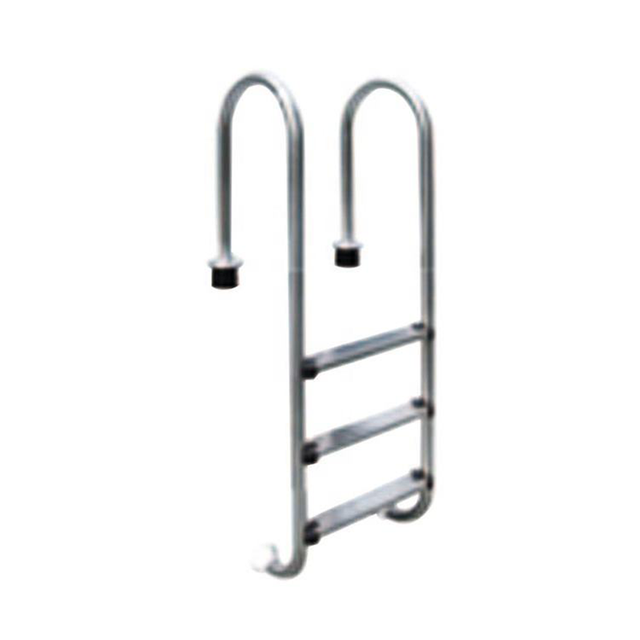
Accessibility is another key benefit. Steps with Handrails provide physical support, enabling individuals with joint issues, temporary injuries, or reduced strength to use the pool independently. Wide treads and consistent step heights further enhance stability, making movement predictable and controlled.
Children benefit from steps that allow shallow-water play and supervised entry. Older adults benefit from Anti-Slip surfaces and Heavy Duty construction that does not shift under weight. In many settings, properly designed swimming pool steps are essential for meeting safety and accessibility expectations, reinforcing their role as a core pool component rather than an optional accessory.
Installation Methods and Structural Considerations
Installing Swimming Pool Steps requires careful attention to structural stability and alignment. Poor installation can negate safety benefits, leading to wobbling or uneven step heights. For Above Ground pools, steps must rest on level ground and be properly weighted or anchored to prevent flotation.
In Inground pools, steps are often installed during pool construction or renovation. They may be bonded directly to the pool shell or integrated into the mold. Drainage openings are commonly included to prevent water trapping, which could affect buoyancy or hygiene.
Regardless of pool type, steps must support repeated dynamic loads. Heavy Duty designs account for users entering with momentum, not just static standing weight. Proper installation ensures that Swimming Pool Steps remain secure, aligned, and functional over years of use.
How to Choose the Right Swimming Pool Steps for Different Users
Choosing the right Swimming Pool Steps depends on understanding who will use the pool and how often. Family pools with children benefit from wider steps and Anti-Slip surfaces. Pools used by seniors or rehabilitation users require steps with Handrails and gentle riser heights.
Environmental factors also matter. Outdoor pools exposed to sunlight and chemicals require UV-stable, corrosion-resistant materials. Matte finishes help maintain visibility in bright conditions. For high-traffic pools, Heavy Duty steps reduce wear and deformation over time.
By matching step design to user needs, pool owners ensure that swimming pool steps fulfill their purpose effectively. The right choice improves safety, comfort, and long-term satisfaction.
Conclusion
Swimming Pool Steps are an essential element of pool design that define how users interact with the water. They provide safe, gradual access, reduce physical strain, and improve confidence for swimmers of all abilities. Whether designed for Above Ground or Inground pools, their materials, surface features, and structural strength determine performance and longevity.
Understanding what pool steps are means recognizing their role beyond simple entry. With Anti-Slip surfaces, Matte finishes, Heavy Duty construction, and options with Handrails, modern swimming pool steps address real safety and accessibility challenges. Choosing and installing them correctly ensures that a pool is not only usable, but genuinely welcoming.
FAQ
Q1: What is the difference between pool steps and pool ladders?
Pool steps provide gradual, flat surfaces for walking, while ladders require climbing and upper-body strength. Steps are generally safer and more accessible.
Q2: Are Swimming Pool Steps suitable for all pool types?
Yes. Designs exist for both Above Ground and Inground pools, with variations to suit different heights and layouts.
Q3: Why are Anti-Slip surfaces important on pool steps?
Wet pool environments increase slipping risk. Anti-Slip textures improve traction and reduce accidents.
Q4: Do pool steps need handrails?
Steps with Handrails are recommended for pools used by seniors, children, or individuals with mobility limitations.
Q5: How long do Heavy Duty Swimming Pool Steps last?
With proper installation and maintenance, Heavy Duty steps can last many years without significant structural degradation.


