Introduction
A pool is more than just a place to swim—it's a space for relaxation and fun. But have you ever wondered how you access that refreshing water safely? Swimming pool steps are often overlooked but are key to ensuring easy, secure entry into your pool.
In this article, we will explore what swimming pool steps are, their types, and their importance in pool design. You’ll learn how they enhance safety, convenience, and aesthetics, making your pool experience more enjoyable.
What Are Swimming Pool Steps?
Definition and Purpose
Swimming pool steps are the built-in entry points designed to help individuals enter or exit the pool. They provide safe and easy access to the water, reducing the risk of accidents and enhancing the overall pool experience. Typically located in the shallow end of the pool, they allow swimmers to wade in gradually.
Their primary purpose is to ensure safety, especially for young children, the elderly, and individuals with mobility challenges. In addition, well-designed steps add aesthetic value to a pool, complementing its overall look.
Types of Swimming Pool Steps
Several types of swimming pool steps are available, each designed to cater to different pool configurations and user preferences.
● Straight Steps: The most common option for most pools, offering a simple, linear design.
● Wedding Cake Steps: These are typically used in inground pools and provide a gradual, tiered design. Wedding cake steps allow entry from multiple directions, making them a versatile option for larger pools.
● Tanning Ledge Steps: Designed for pools with a shallow entry, these steps can double as a lounging area, allowing swimmers to sunbathe while partially submerged.
● Beach Entry Steps: This type offers a smooth, gradual slope into the pool, similar to walking into a beach. It's ideal for families with young children or elderly swimmers.
Materials Used in Pool Steps
Swimming pool steps are constructed from various materials, each offering different advantages depending on pool type and location.
Material | Advantages | Disadvantages |
Concrete | Durable, customizable shapes and sizes. | Requires ongoing maintenance; can be rough on feet. |
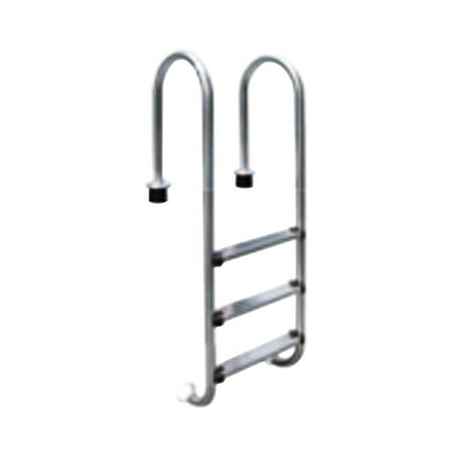
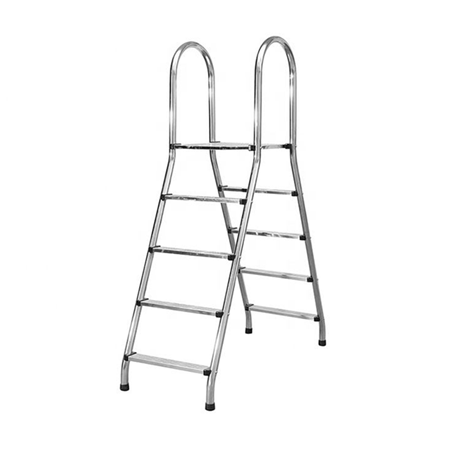
Stainless Steel | Resistant to corrosion, low maintenance. | Can be expensive; may feel slippery. |
Plastic | Lightweight, affordable, easy to install. | Less durable than concrete or stainless steel. |
Concrete steps are commonly found in inground pools due to their customization options, while plastic and stainless steel are often used for above-ground pools due to their ease of installation and affordability.
Importance of Swimming Pool Steps in Design
Enhancing Pool Aesthetics
Pool steps play a crucial role in the overall aesthetics of a swimming pool. By choosing the right design, you can seamlessly blend the steps into the pool's visual theme. For example, a modern rectangular pool with sleek, straight steps creates a minimalist look, while curved, "wedding cake" steps may suit more organic, free-form pools.
The style of steps can enhance the overall pool design, creating a visually pleasing focal point. Whether you prefer the elegance of a smooth, linear design or the whimsical look of a curved configuration, pool steps can elevate your backyard's appeal.
Safety Features of Pool Steps
One of the key benefits of pool steps is enhanced safety. Non-slip surfaces are essential for preventing slips, especially in wet conditions. Many pool step designs now include non-slip materials, tiles, or textured finishes to reduce the risk of accidents.
In addition, the gradual nature of steps makes them ideal for children, elderly individuals, or anyone who might have difficulty navigating a pool ladder. Shallow water areas near the steps provide a secure space for younger swimmers to play or learn to swim.
Accessibility and Convenience
Properly designed swimming pool steps can significantly improve accessibility. Pools with steps that lead gradually into the water, like beach entry steps, are particularly beneficial for elderly individuals or those with physical disabilities. These steps allow for easy and safe entry into the pool without the need to climb over a ladder or struggle with a sharp drop.
For families with young children, wide steps that double as play areas provide added convenience, as they can be used as resting spots or a place to enjoy the pool without fully immersing in the water.
Key Factors to Consider When Choosing Pool Steps
Size and Shape
When selecting swimming pool steps, size and shape are important considerations. The dimensions of the steps should be compatible with the overall size of the pool. A larger pool may benefit from wider, more expansive steps, while smaller pools might only require narrow or simple steps.
● Straight Steps: Ideal for rectangular pools, they offer a direct path into the water.
● Curved Steps: Best suited for round or free-form pools, providing a soft, organic look.
Step Placement
The placement of pool steps can affect the overall flow and functionality of the pool. Typically, pool steps are located in the shallow end, but their exact location may depend on the layout of your backyard, the pool's shape, and how you intend to use the pool.
● Shallow End: Standard for most pools, offering easy access to the water.
● Corner Placement: A space-saving option that works well in smaller pools.
● Mid-Pool: Ideal for larger pools with a designated lounging area.
Step Design for Specific Needs
Depending on the needs of the pool users, the design of the steps can vary. For fitness-oriented pools, extra-wide steps or extended seating areas can provide a comfortable space for aquatic exercises. For children's pools, shallow, wide steps create a safe environment for play and water exploration.
Customizable designs ensure that every user can enjoy the pool in a way that suits their preferences.
Popular Types of Pool Steps and Their Benefits
Wedding Cake Steps
Wedding cake steps are a popular option for inground pools, offering a tiered, multi-directional entry. These steps are not only functional but also serve as a decorative feature in the pool design. The gradual tiers provide multiple entry points, allowing swimmers to enter from different angles, making them ideal for larger pools.
Benefits:
● Dual-entry design
● Space-efficient
● Aesthetic appeal
Tanning Ledge Steps
Tanning ledge steps are gaining popularity in modern pool designs. These steps are designed for shallow entry, providing a comfortable lounging area where swimmers can relax while partially submerged. The extra-wide first step can also accommodate lounge chairs, making it a perfect area for sunbathing.
Benefits:
● Multi-functional space for lounging and sunbathing
● Ideal for shallow pools
● Enhances the luxury pool experience
Beach Entry Steps
Beach entry steps, also known as zero-depth entry, provide a smooth, sloping transition into the pool, similar to walking into the ocean. This design is ideal for families with young children or elderly individuals, as it provides a safer and more accessible way to enter the water.
Benefits:
● Gradual, safe entry into the pool
● Ideal for young children and the elderly
● Enhances the resort-like ambiance
Maintenance and Care for Swimming Pool Steps
Cleaning Pool Steps
Cleaning pool steps is essential to maintain both their appearance and functionality. Regular cleaning helps remove debris, algae, and other contaminants that can accumulate over time. For best results, use a pool-safe cleaner and a soft brush to avoid damaging the surface.
Tips for cleaning:
● Use a non-abrasive brush for tile or concrete steps.
● Clean steps regularly to prevent buildup.
● For stubborn stains, use specialized pool cleaners or mild bleach solutions.
Maintaining Safety Features
Ensuring the safety of your pool steps requires regular maintenance. Non-slip features should be inspected frequently for wear, and repairs should be made promptly to prevent accidents. Additionally, handrails or safety bars can be added to improve stability.
Safety tips:
● Check the non-slip surface regularly.
● Install handrails for extra support.
● Replace damaged tiles or materials promptly.
Long-Term Care and Durability
The longevity of your pool steps depends on the materials used and the climate conditions. Concrete steps are durable but require periodic sealing to prevent cracks and discoloration. Stainless steel and plastic steps are more low-maintenance but may still need occasional touch-ups.
Long-term care:
● Seal concrete steps to prevent water damage.
● Regularly inspect stainless steel for corrosion.
● Choose durable materials that can withstand local weather conditions.
Conclusion
Swimming pool steps are essential for easy and safe access to your pool. They come in various types, offering different benefits for pool designs. When selecting the right steps, consider factors such as size, shape, and material. Choosing the best option ensures both safety and aesthetic appeal. For those seeking high-quality and durable pool equipment, Guangzhou Fenlin Swimming Pool & Sauna Equipment Co., Ltd. offers innovative solutions that enhance pool functionality and design, ensuring long-lasting value for every pool.
FAQ
Q: What are Swimming Pool Steps?
A: Swimming pool steps are built-in features designed to provide safe and easy access to the pool. They help swimmers enter and exit the water without difficulty, ensuring safety and convenience.
Q: Why are Swimming Pool Steps important?
A: Swimming pool steps are essential for providing safe entry into the pool. They reduce the risk of accidents, especially for children and elderly people, while also enhancing the overall pool design.
Q: How do Swimming Pool Steps improve pool design?
A: Swimming pool steps enhance both the functionality and aesthetics of a pool. They can be customized to fit the pool’s style, making it more visually appealing while improving user experience.
Q: What materials are used for Swimming Pool Steps?
A: Swimming pool steps are commonly made from concrete, stainless steel, and plastic. Each material offers different benefits, such as durability, ease of maintenance, and aesthetic appeal.
Q: Are Swimming Pool Steps customizable?
A: Yes, swimming pool steps can be customized in terms of size, shape, and material to fit different pool designs and user preferences, ensuring safety and comfort.


