Premium Stainless Steel Construction | Marine-Grade Corrosion Resistance for Long-Term ReliabilityEngineered specifically for the demanding aquatic environment, our stainless steel waterfall is fabricated from high-grade 304 or 316L stainless steel—materials selected for exceptional resistance to chlorine corrosion, saltwater exposure, and chemical degradation. Unlike plastic or resin alternatives that become brittle and discolor over time, or painted steel units that succumb to rust, our stainless steel construction maintains its brushed finish elegance and structural integrity for decades. The fully welded seam construction eliminates leakage points, while the smooth interior surface prevents biofilm accumulation, simplifying cleaning and maintenance. | 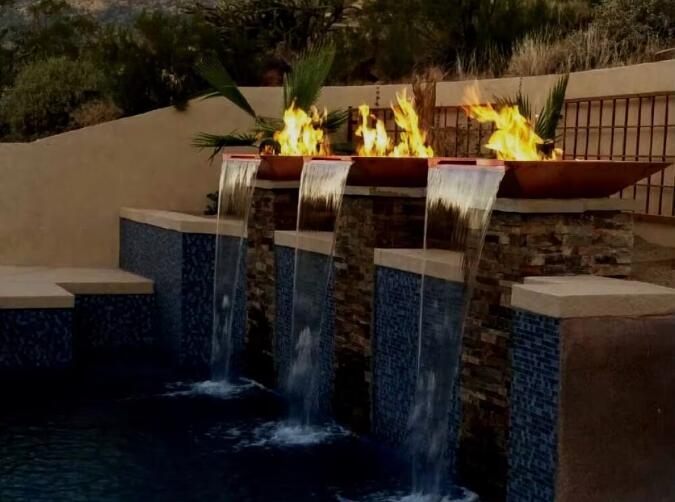 |
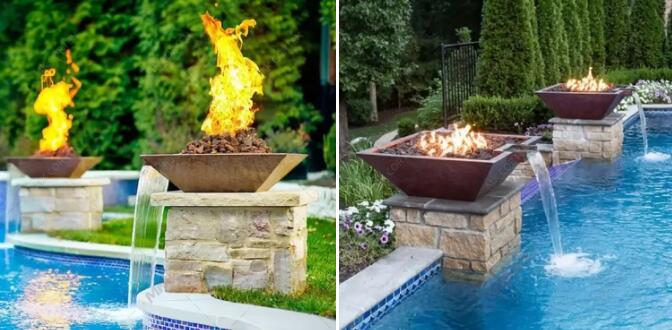 | Versatile Installation Options | Tailored for Above Ground & Inground Pool ApplicationsOur pool waterfall systems are engineered with installation flexibility to accommodate diverse project requirements. For above ground pool waterfall installations, we offer freestanding support frames and pump-integrated designs that require no structural modifications to existing pool walls—ideal for retrofit projects and residential applications where minimal disruption is prioritized. For inground pool waterfall integration, our units feature recessed mounting plates and plumbed inlet connections that seamlessly incorporate into new construction or renovation projects, creating a built-in architectural element that appears as a natural extension of the poolscape. |
Functional Water Feature | Circulation Enhancement & Energy-Efficient OperationBeyond aesthetic contribution, our pool waterfall feature serves a functional role in overall pool system performance. The continuous water movement created by the waterfall enhances surface circulation, reducing dead zones where debris accumulates and improving the efficiency of skimmer and filtration systems. Additionally, the aeration effect generated as water cascades into the pool promotes oxygen exchange, supporting water chemistry stability and reducing chlorine demand—a measurable benefit for facility operators managing chemical budgets. The low-restriction flow path is engineered to minimize pump head loss, allowing integration with existing circulation systems without requiring upsized pumps or increased energy consumption. | 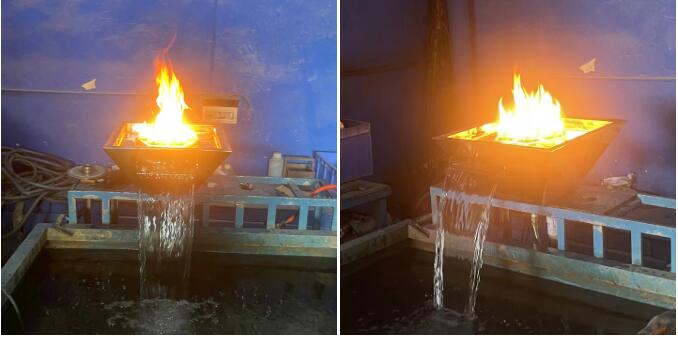 |


