Crystal-Clear Acrylic Construction The defining advantage of our pool cascade waterfall lies in the material itself—premium cast acrylic with optical clarity approaching that of museum-grade glass. Unlike opaque stone or metal water features that obscure the water within, acrylic allows full visibility of the flowing water column, creating a floating, ethereal appearance as water cascades over an invisible surface. The refractive properties of acrylic interact with both natural sunlight and artificial illumination, producing prismatic light dispersion and sparkling water effects that change dynamically throughout the day. | 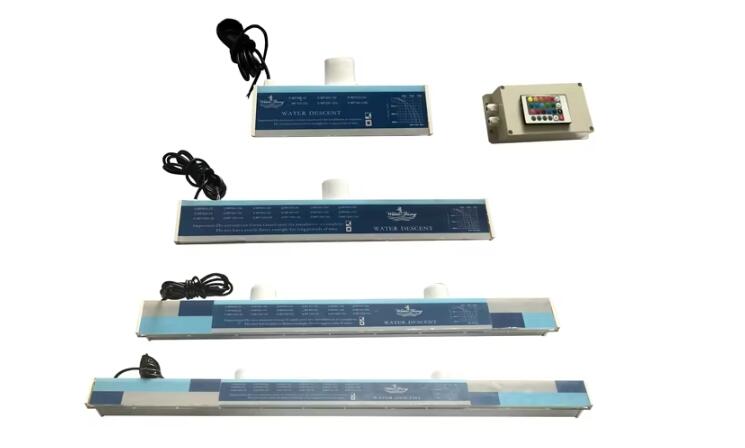 |
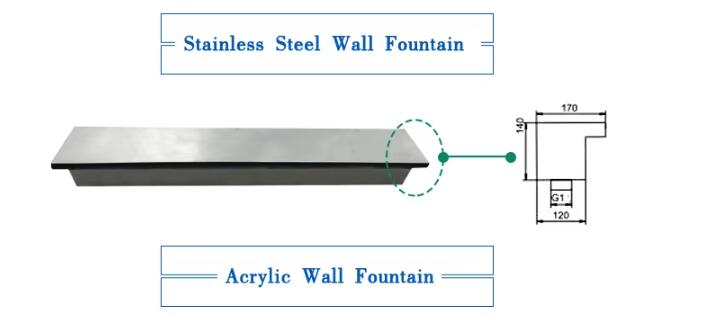 | Light-Transmitting Properties for Luminous Water EffectsFor luxury pools with waterfalls, this translucency transforms the water feature from a functional element into an interactive light sculpture. The material's UV-stabilized formulation resists yellowing and hazing over time, maintaining its optical clarity for decades. For landscape architects and hospitality designers, specifying acrylic means delivering a water feature that appears to be falling through air rather than over a structure—an illusion that distinguishes truly exceptional projects from conventional installations. |
Lightweight Acrylic ConstructionWeight considerations often constrain the scale and placement of water features, but our acrylic pool cascade waterfall systems offer a compelling alternative to glass and stone. Acrylic weighs approximately half as much as glass of equivalent thickness and a fraction of natural stone, enabling larger panel sizes and more ambitious installations without requiring reinforced structural supports. A single acrylic panel measuring 3 meters in width can be safely installed by two technicians—a task that would require mechanical lifting equipment and reinforced anchoring for glass or stone alternatives. | 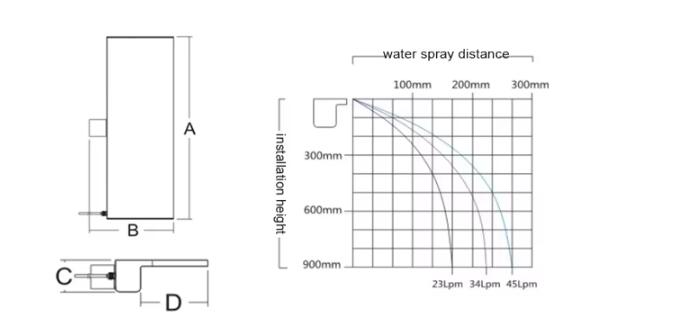 |
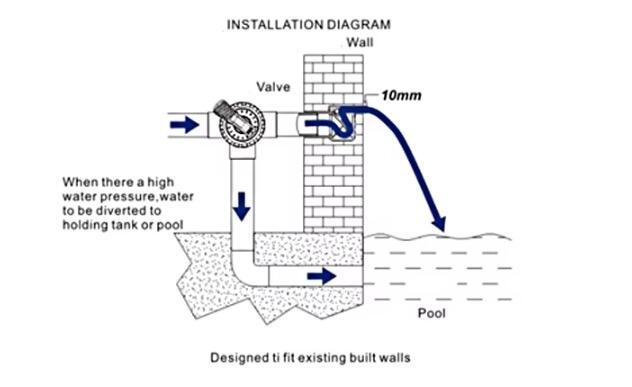 | Structural Efficiency for Complex InstallationsThis weight advantage translates to reduced construction costs, simplified installation logistics, and expanded design possibilities including overhead installations, curved configurations, and freestanding water walls. For pool builders and general contractors, this means fewer crane days, lighter foundation requirements, and faster project completion—measurable efficiencies that improve project margins without compromising aesthetic outcomes. |
Impact-Resistant Safety Performance | Shatter-Proof Reliability for Public & Residential ApplicationsSafety considerations in aquatic environments demand materials that protect users without compromising design intent. Our acrylic pool cascades offer exceptional impact resistance—approximately 10 to 20 times stronger than glass of equivalent thickness—without the shatter risk inherent to brittle materials. When subjected to impact, acrylic flexes and absorbs energy rather than fracturing into dangerous shards, eliminating the laceration hazards associated with broken glass in pool environments. | 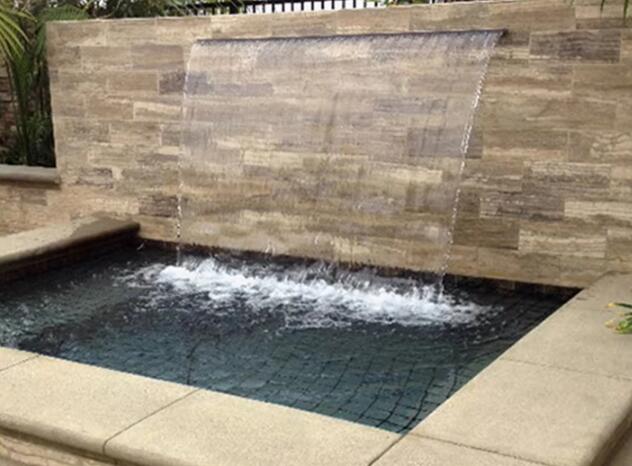 |
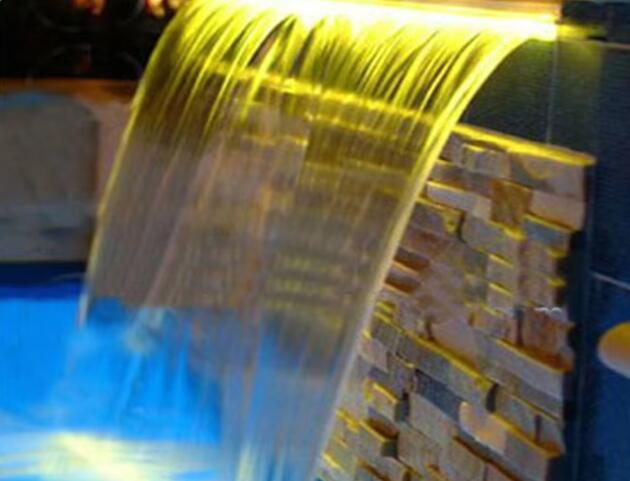 | Fully Customizable ConfigurationAvailable in panel widths from 0.5 to 6 meters and heights up to 3 meters in single seamless sections—with larger dimensions achievable through precision joining—these systems adapt to any architectural context. Curved acrylic panels enable wrap-around configurations and cylindrical water features that envelope swimmers in cascading water. For nighttime impact, integrated LED illumination channels can be embedded within the acrylic edge or mounted behind translucent panels, producing edge-lit effects where the water appears to glow from within. |
Low-Maintenance Acrylic SurfaceOngoing maintenance requirements directly impact the long-term appeal of any water feature. Our acrylic pool cascade waterfall features a non-porous, smooth surface that resists algae adhesion, mineral scale buildup, and biofilm formation—common maintenance headaches with natural stone and textured concrete alternatives. The material's chemical resistance withstands standard pool sanitizers including chlorine, bromine, and salt-chlorination systems without degradation, surface etching, or discoloration. Routine cleaning requires only mild soap and water or specialized acrylic polishes; unlike glass, there are no hard water stains that require acidic cleaners or abrasive scrubbing. | 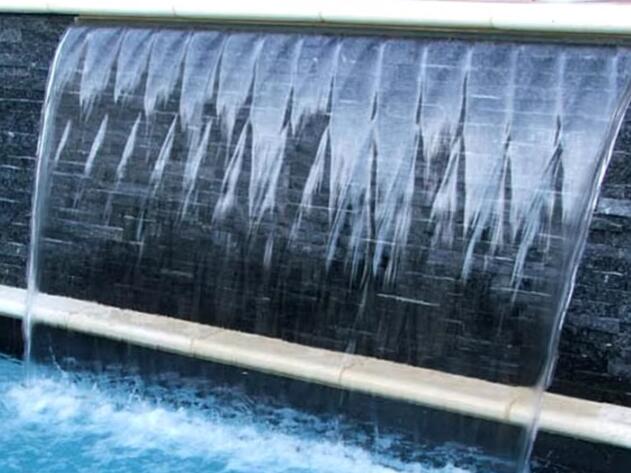 |


