Outfitting a new pool carries extremely high stakes for any facility or home. Buying piecemeal equipment often triggers severe hydraulic bottlenecks, voided warranties, and cascading integration failures. These missteps turn beautiful designs into ongoing mechanical nightmares. Moving from an architectural drawing to physical reality demands a strict systems-thinking approach. Fragmented procurement strategies scatter responsibilities across too many vendors. They inevitably increase daily operational costs and cause frustrating maintenance downtime. To avoid these painful pitfalls, selecting a complete, unified package is absolutely crucial. We will explore how choosing Full Set Swimming Pool Equipment hinges on strict system compatibility, verifiable reliability, and long-term energy efficiency rather than just immediate upfront savings. You will learn exact criteria to vet suppliers, size your components accurately, and deploy a flawless mechanical ecosystem.
Key Takeaways
Procuring a unified system prevents hydraulic mismatch between the pool pump and filter.
Evaluating a swimming pool equipment manufacturer requires looking beyond specs to assess supply chain transparency, compliance certifications, and post-sale support.
Standardizing equipment through a single trusted supplier (e.g., Guangdong Fenlin Swimming Pool) streamlines installation and ensures warranty cohesion.
Long-term operational costs (energy draw, chemical usage) should heavily outweigh initial procurement savings in the decision-making matrix.
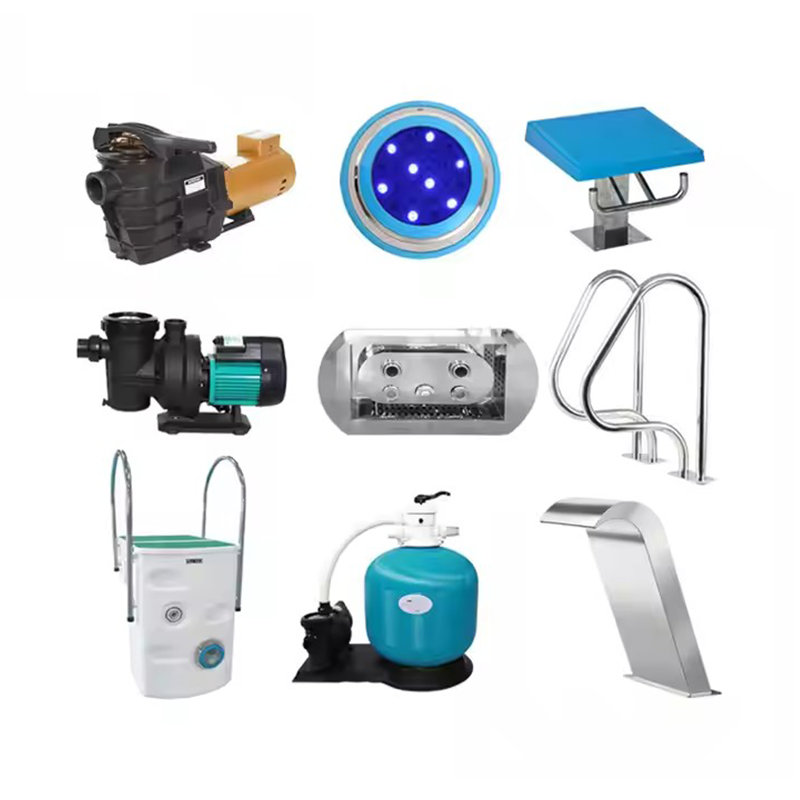
The Mechanical Ecosystem: Core Components of a Full Set
Your pool relies entirely on its circulation loop to stay clean and safe. You cannot treat these mechanical parts as isolated items. We must define baseline requirements clearly to ensure long-term success. Evaluating them together guarantees proper hydraulic harmony across the entire installation. A cohesive system reduces strain on individual components. It also minimizes energy waste during daily operation. Understanding the core parts of this mechanical ecosystem is your first crucial step.
Primary Circulation and Filtration
The most critical dependency exists between the pool pump and filter. These two components must work in perfect synchronization. The pump pushes water out of the basin. The filter then strips away debris before returning clear water. If you mismatch their operational capacities, the entire system suffers immediately.
Many buyers mistakenly oversize the pump to maximize water flow. They then undersize the filter vessel to save valuable pad space. This fatal error forces high-velocity water through a restricted surface area. It causes rapid media channeling inside the tank. Water simply carves tunnels straight through the sand or cartridge paper. Filtration stops happening entirely because the water bypasses the media.
Pressure builds up rapidly inside the vessel when capacities clash. You will notice the pressure gauge spiking aggressively. Eventually, this severe imbalance causes premature equipment failure. It also leads to chronically cloudy water. Always match the maximum flow ratings precisely. A filter must comfortably handle the peak output of your chosen pump.
Sanitation and Heating Infrastructure
Modern sanitation goes far beyond dropping basic chlorine tablets into a skimmer basket. You should view chlorinators, UV/Ozone systems, and salt cells as deeply integrated components. They are not merely optional add-ons. Placing them correctly in the plumbing loop prevents corrosive gas buildup. Proper installation protects your expensive downstream heaters from chemical damage.
Heating elements require equal planning and careful sizing. You must size heaters based on target climate conditions and expected flow rates. Heat pumps excel in warm, humid regions. They extract ambient heat from the air to warm the water efficiently. Gas heaters act much faster and perform exceptionally well in colder zones.
Your circulation loop must feed the heater adequately at all times. If water moves too slowly, internal sensors will trigger constant fault codes. The heater will shut down to prevent internal boiling. Integrating your sanitation and heating infrastructure properly ensures consistent water temperatures and perfectly balanced chemistry.
Automation and Control Systems
A modern mechanical ecosystem needs a highly intelligent brain. You need a centralized control hub to monitor daily energy usage accurately. It will also automate precise chemical dosing based on real-time sensor feedback. Automation eliminates the daily guesswork of pool maintenance. It ensures your water chemistry remains perfectly balanced around the clock.
Smart relays coordinate pump speeds based on specific heating or cleaning demands. They activate salt cells only when water flows actively through the pipes. This prevents dangerous chlorine gas accumulation. Without central automation, you rely entirely on simple mechanical timers. These analog timers easily fall out of sync during routine power outages.
Centralized control systems offer remote monitoring capabilities via smartphone applications. You can adjust temperatures or activate spa jets from anywhere. This connectivity provides immense peace of mind. It allows maintenance crews to diagnose potential issues before they cause costly hardware damage.
Technical Evaluation Criteria for System Sizing
We need a transparent, evidence-based framework to size your components accurately. Guesswork leads directly to green water and massive energy waste. Proper sizing requires understanding the specific physical dynamics of your unique installation. You must calculate precise volumes and account for plumbing friction. This rigorous approach guarantees peak performance and strict regulatory compliance.
Turnover Rates and Flow Dynamics
First, calculate the total pool volume in gallons or liters. You must match this figure against required turnover times. The turnover rate defines how long it takes to filter the entire water volume once. Residential pools typically aim for one complete turnover every eight hours. Commercial compliance standards often mandate much faster cycles.
Public facilities sometimes require a full turnover every four hours to handle heavy bather loads. Flow dynamics dictate how easily water moves through your specific setup. You must understand Total Dynamic Head (TDH). TDH measures the physical resistance water faces as it travels. Pipes, tight elbows, and dirty filters all create significant friction.
A pump rated for 100 gallons per minute at zero resistance behaves differently in reality. It might only push 40 gallons when facing 60 feet of head pressure. Real-world pump performance depends entirely on accurate TDH calculations. Failing to account for TDH guarantees an underperforming circulation system.
Energy Efficiency and Compliance
The global pool industry recently shifted away from power-hungry single-speed motors. Variable-speed pumps (VSP) now dominate the market for excellent reasons. They run at lower RPMs for much longer durations. This simple change drastically reduces electrical consumption. It satisfies strict regional regulatory compliance laws and delivers massive operational savings.
Next, evaluate your filter media carefully. You must weigh micron-level clearance against regular backwashing water waste. Different media types serve different operational goals. Sand filters are highly durable but capture fewer microscopic particles. Diatomaceous earth offers crystal clear water but requires more intense maintenance. Cartridge filters provide a great middle ground.
Filter Media Comparison Chart | Filter Media Type | Micron Clearance | Maintenance Frequency | Water Waste Level |
| Sand Filter | 20 - 40 Microns | Weekly Backwashing | High |
| Cartridge Filter | 10 - 20 Microns | Monthly Cleaning | Low (No backwash) |
| Diatomaceous Earth (DE) | 1 - 3 Microns | Monthly Backwashing | Moderate |
Choosing cartridge filters saves thousands of gallons of water annually. However, sand filters require less direct physical handling by maintenance staff. Your local drought restrictions and maintenance budget should carefully guide this crucial choice.
How to Vet a Swimming Pool Equipment Manufacturer
A great system requires a highly credible builder. You must aggressively vet any potential swimming pool equipment manufacturer before committing funds. Not all factories operate under the same strict quality controls. Assessing vendor credibility reduces your overall supply chain risk. It also ensures you receive reliable long-term technical support after the initial purchase.
Manufacturing Standards and Certifications
Start by verifying essential safety and international quality marks. Look closely for valid CE, RoHS, and ISO 9001 certifications. These specific badges prove the factory adheres to strict international production standards. They indicate a serious commitment to consistent quality control. Without these marks, you risk installing unsafe or unreliable hardware.
Beware of simple "white-label" assemblers. They merely slap custom logos on generic, low-quality parts sourced elsewhere. They offer no fundamental engineering value or long-term accountability. Primary manufacturers are vastly superior partners. They maintain dedicated internal research and development departments. They design their systems from the ground up.
Real manufacturers test components rigorously for environmental stress. They evaluate UV degradation on plastic housings. They test internal seals for harsh chemical resistance. Partnering directly with a primary manufacturer reduces your project risks significantly. It guarantees you are buying expertly engineered solutions.
Single-Source Procurement Advantages
Sourcing various parts from multiple different vendors invites absolute chaos. You risk severe integration failures and mismatched communication protocols. Relying on an established entity like Guangdong Fenlin Swimming Pool mitigates these exact risks. You gain immediate logistical benefits from sourcing a complete set from one factory.
Unified Shipping: All system components arrive simultaneously. They ship in coordinated containers, preventing frustrating project delays caused by missing parts.
Cohesive Documentation: Installation manuals share identical terminology. This makes complex wiring and plumbing highly straightforward for your local contractors.
Single-Point Accountability: If a technical fault occurs, one manufacturer handles the warranty claim. Nobody blames third-party parts for the failure.
This streamlined approach ensures robust long-term support. You will never face the dreaded warranty finger-pointing game. The manufacturer takes full responsibility for the entire system's performance. This peace of mind is invaluable during large-scale construction projects.
Implementation Risks and Shortlisting Logic
Even the best hardware fails if contractors install it poorly. You must understand the harsh realities of mechanical deployment. Highlighting implementation risks helps you avoid incredibly expensive rework. Making the final vendor decision requires clear, actionable steps. A logical shortlisting framework protects your initial investment.
Installation and Commissioning Pitfalls
You must recognize common points of failure during the rollout phase. Improper plumbing diameters routinely restrict flow. Using a 1.5-inch pipe when the pump demands a 2.5-inch intake starves the motor. It causes severe cavitation and destroys internal impellers quickly. Inadequate equipment pad spacing makes future maintenance incredibly difficult for service technicians.
Electrical load mismatches represent another massive danger. Installing a high-draw heat pump on an undersized breaker panel causes constant tripping. It can even melt sensitive electrical contactors. These easily avoidable pitfalls ruin new installations instantly. Proper planning prevents these disastrous scenarios from ever occurring.
You can avoid them by demanding proper documentation. Always request detailed schematic support and full installation manuals prior to purchase. A reliable vendor supplies accurate CAD drawings of the equipment pad layout. This ensures your local plumbers and electricians know exactly what to prepare beforehand.
The Shortlisting Framework
Making the final vendor decision requires a highly methodical approach. Do not base your choice on marketing brochures alone. Follow this strict shortlisting logic to secure the absolute best package.
Step 1: Match system specifications directly to exact pool volume and localized climate data. Ensure the heater and pump can handle your specific environmental demands.
Step 2: Audit the manufacturer’s historical track record. Scrutinize their warranty terms carefully. Confirm fast replacement part availability in your specific region.
Step 3: Request comprehensive lifecycle cost analyses. Look far beyond basic line-item pricing. Calculate expected energy usage and projected chemical consumption over ten years.
Following these steps filters out weak, unreliable suppliers quickly. You secure a robust, energy-efficient ecosystem. This careful selection process guarantees decades of reliable, stress-free use.
Conclusion
Successful pool deployment relies heavily on treating the equipment as a fully interdependent ecosystem. You cannot isolate individual parts without impacting the whole system. A pump, filter, heater, and automation hub must communicate flawlessly. Investing dedicated time in evaluating the manufacturer yields massive dividends down the road.
Ensuring strict system compatibility ultimately reduces lifetime operating expenses. It prevents frustrating early replacement cycles and minimizes daily energy consumption. Standardizing your hardware creates a seamless maintenance experience. Do not let cheap upfront sticker prices dictate your long-term engineering choices.
Take action now to protect your mechanical investment. Consult closely with a certified hydraulic engineer today. Discuss your specific volume and climate needs in detail. Alternatively, request a full-system technical proposal and an accurate sizing chart from a qualified manufacturer. Build a solid foundation that lasts.
FAQ
Q: What is the most critical factor when matching a pool pump and filter?
A: Focus strictly on flow rate compatibility. The filter's maximum designed flow rate must always exceed the pump's peak output. If the pump pushes water faster than the filter can process it, you risk severe media channeling, internal vessel damage, and poor water clarity.
Q: Why is it recommended to buy a "full set" rather than mixing brands?
A: Buying a complete set eliminates frustrating finger-pointing during warranty claims. It ensures digital communication protocols match perfectly, which is vital for modern automation systems. Furthermore, it guarantees strict hydraulic compatibility across the entire plumbing loop, preventing unexpected bottlenecks.
Q: How long should commercial-grade swimming pool equipment last?
A: High-quality commercial components typically last between 5 and 10 years with diligent maintenance. However, poor water chemistry and improper system sizing will degrade equipment much faster than any actual manufacturing defects. Regular servicing extends this lifespan significantly.
Q: What should I ask a swimming pool equipment manufacturer before buying?
A: Always ask if they manufacture components in-house or merely assemble them. You should also inquire about the average lead time for replacement parts. Finally, confirm whether they provide localized technical support and detailed CAD schematics for your specific equipment pad layout.


