The phrase "full set" floats around the pool industry as a vague marketing term. It varies drastically between manufacturers and distributors. Some companies consider a pump and a filter a complete package. Others include every single fitting down to the last O-ring. Piecing together equipment from disparate brands often results in hydraulic mismatches. You risk voided warranties and face complex troubleshooting down the road. Local contractors frequently struggle to integrate mismatched components on the equipment pad. A pre-engineered Full Set Swimming Pool Equipment package solves this exact issue. It guarantees component compatibility and centralizes accountability under one roof. Buyers need to know exactly what arrives on the delivery truck before construction begins. This article clearly defines the boundary lines of standard equipment packages. We will outline essential evaluation criteria for commercial or high-end residential buyers. You will also get a solid framework for vetting potential suppliers to ensure a seamless build process.
Key Takeaways
A genuine full set includes the core circulation trio: pumps, a swimming pool filtration system, and sanitation units.
Peripheral items (lighting, ladders, cleaning tools) separate basic kits from comprehensive packages.
Site-specific materials (PVC pipes, concrete, electrical conduits) and labor are universally excluded from standard equipment packages.
Choosing an integrated swimming pool equipment supplier over a third-party reseller dramatically improves warranty resolution and technical support.
The Core Foundation: Non-Negotiable Components of a Full Set
Every reliable pool configuration starts here. You need solid circulation and precise water management. Manufacturers design these core components to operate continuously under harsh environmental conditions. Let us break down the essential elements you must demand in your package.
The Circulation Pump(s)
Pumps represent the beating heart of your aquatic setup. They push water through every other component on the pad. Modern packages heavily favor variable-speed pumps over traditional single-speed models. These advanced units ensure strict energy compliance across various global efficiency standards. They adjust internal motor speeds to match specific flow-rate requirements dynamically. You get optimal water turnover without wasting electricity during low-demand hours. High-end sets often include multiple pumps. One dedicated pump handles standard filtration. A separate booster pump might manage water features or automated cleaning mechanisms.
The Swimming Pool Filtration System
Water clarity relies entirely on this mechanical stage. A high-quality swimming pool filtration system removes particulate matter efficiently. Pool volume directly dictates the required physical filter size. Suppliers typically include one of three standard options in a package. Your choice depends on local water conditions and maintenance preferences.
| Filter Type | Filtration Capability | Maintenance Needs |
| Sand Filters | 20-40 microns | Requires regular backwashing. Best for heavy debris. |
| Cartridge Filters | 10-15 microns | Periodic manual cleaning. Excellent for space-saving setups. |
| D.E. (Diatomaceous Earth) | 2-5 microns | Complex grid maintenance. Delivers ultimate water clarity. |
Sand filters remain the industry workhorse due to their robust simplicity. Cartridge systems save valuable floor space on cramped equipment pads. Diatomaceous earth models provide commercial-grade clarity but demand stricter maintenance schedules.
Sanitation & Water Chemistry Management
Filtration removes physical solids. Sanitation destroys microscopic bacteria. Standard bundles usually incorporate basic inline chlorinators. These simple devices dispense chemical tablets slowly into the return line. Premium packages offer much more advanced upgrades. You might find automated salt water chlorinators included. These systems convert regular salt into active chlorine electronically. UV light generators or ozone systems also appear frequently in high-end sets. These supplemental technologies drastically reduce your reliance on raw chemical additives. They neutralize pathogens instantly as water passes through the chamber.
Heaters / Heat Pumps (Climate Dependent)
Temperature control modules rarely come standard in basic consumer kits. Manufacturers treat them as modular additions instead. However, luxury or commercial-grade full sets universally include dedicated heating solutions. Depending on your local climate, you might select a rapid-fire gas heater. Gas models warm water incredibly fast. Heat pumps offer another highly efficient alternative for consistent warmth. They pull ambient heat from the air and transfer it into the water. Heat pumps require more time to reach target temperatures but operate at extreme efficiency.
Peripheral and Maintenance Components (The "Complete" Factor)
Core components handle the heavy lifting. Peripheral items finish the job. These necessary accessories bridge the gap between basic functionality and true usability. They turn a concrete basin into a functioning aquatic facility.
White Goods & Hydraulic Fittings
White goods direct water flow inside the basin itself. They include main drains, skimmers, return jets, and vacuum wall fittings. The exact quantities depend entirely on your specific pool dimensions. A standard geometric shape needs fewer fittings than a complex freeform layout. Proper placement of these fittings eliminates dead zones. Algae typically breeds in these stagnant areas. A reputable supplier calculates the exact number of skimmers needed based on your surface area.
Underwater Lighting Systems
Illumination transforms nighttime aesthetics and dramatically improves swimmer safety. Comprehensive packages provide complete lighting systems rather than standalone bulbs. Standard inclusions feature flush-mounted LED fixtures. LEDs consume minimal power and offer brilliant color-changing capabilities. The package will also include corresponding step-down transformers to ensure electrical safety. Niche housings arrive pre-sized for the specific light models. This guarantees a watertight seal during the concrete pour.
Deck Equipment & Accessibility
Swimmer safety relies heavily on sturdy entry and exit points. Deck equipment ensures this critical accessibility. Expect comprehensive packages to supply marine-grade stainless steel ladders. They utilize 304 or 316 stainless steel to prevent rust in harsh chemical environments. Premium setups also include dedicated handrails for shallow steps. Standard brass or plastic anchors come included for securing these rails into the concrete decking.
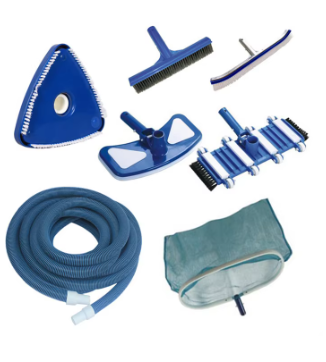
Maintenance & Cleaning Kits
Daily surface upkeep requires specific manual tools. A truly complete bundle outfits you fully for day-one operation. Standard cleaning inclusions feature several critical items:
Telescopic aluminum poles for extended reach across the water surface.
Weighted vacuum heads designed to hug the floor closely.
Heavy-duty wall brushes featuring durable nylon bristles to scrub algae.
Deep-bag leaf skimmers for rapid debris removal.
Comprehensive water testing kits to monitor pH and chlorine levels.
These simple tools prevent small debris problems from overwhelming your main filtration loop.
Managing Expectations: What Is Excluded from Equipment Packages
Misunderstandings happen frequently during the purchasing phase. Buyers often assume "everything" means literal construction materials. We must draw a strict boundary line here. Let us review the universally excluded items so you can plan your budget accurately.
Raw Construction Materials
Equipment suppliers manufacture and bundle machinery. They do not supply structural elements. Rebar, gunite, ready-mix concrete, and decorative coping stones never ship inside these crates. Vinyl liners also remain separate unless you specifically buy a dedicated vinyl pool kit. You must source all raw building materials locally. Shipping heavy concrete or rebar internationally or across state lines makes zero logistical sense.
Plumbing & Electrical Infrastructure
Site layouts vary tremendously from one property to the next. The physical distance between the basin and the equipment pad dictates pipe lengths. Therefore, standard PVC piping and 90-degree elbows remain excluded from the box. Valves usually require local sourcing unless bundled directly into a pre-built factory manifold. Plumbers use Schedule 40 or Schedule 80 PVC based on specific local building codes. Electricians must provide their own breaker boxes, conduit lines, and grounding copper wire.
Installation Labor & Permits
Packages cover physical hardware only. Factory engineering teams do not travel to assemble the parts on your property. Local contracting remains entirely your responsibility. You must secure necessary municipal permits independently before breaking ground. Always hire licensed plumbers and certified electricians for the final hookups. Proper installation ensures your hardware warranties remain valid and legally binding.
The Engineering Reality: Why Component Compatibility Matters
Buying individual parts from different brands invites disaster. System synergy defines a successful, long-lasting installation. Pre-engineered packages eliminate dangerous guesswork entirely.
Hydraulic Synchronization
Mismatched systems create severe operational hazards immediately upon startup. Imagine a massive, high-horsepower pump paired against an undersized sand filter. This hydraulic mismatch causes immense internal pressure. The imbalance forces media channeling inside the tank. Water carves tunnels directly through the sand bed. Dirty water bypasses the filtration media entirely and returns to the basin. Equipment failure inevitably follows as pressure builds. Bundled kits prevent these exact scenarios through rigorous factory calculations.
Turnover Rate Compliance
Health codes mandate specific water turnover rates for public and private safety. The system must filter all basin water within an acceptable timeframe. The industry standard usually demands complete filtration every 6-8 hours. A true full set undergoes strict pre-calculation to meet these exact rates. Engineers match pump flow curves directly to filter surface areas. This guarantees compliant, crystal-clear water regardless of bather load.
Warranty Centralization
Component failures create massive headaches when multiple brands occupy the equipment pad. If flow issues arise, the pump manufacturer might blame the filter brand. The filter brand might blame the inline chlorinator. Single-source purchasing eliminates this frustrating finger-pointing entirely. Having one manufacturer responsible for the entire equipment pad centralizes your accountability. Warranty resolution becomes swift, straightforward, and highly effective.
How to Evaluate and Shortlist a Swimming Pool Equipment Supplier
Selecting the right vendor is paramount to your build. Your partner determines long-term project success and daily operational stability. Use these strict criteria during your evaluation process to weed out unreliable sellers.
Manufacturing Capability vs. Reselling
Evaluate the crucial difference between an OEM manufacturer and a catalog aggregator. Resellers simply box up random parts from different factories. They rarely understand the internal engineering of the products. Original manufacturers exercise strict quality control over their own production lines. They also guarantee long-term replacement part availability. Always favor direct manufacturers for major residential or commercial projects.
Customization Flexibility
Every aquatic facility has unique environmental demands. A reliable swimming pool equipment supplier allows for modular scaling. You might need to upgrade a standard pump to a heavy-duty commercial-grade unit. Perhaps you want to swap a sand filter for a high-capacity cartridge system. A strong partner accommodates these adjustments easily. They adjust the bundle dynamically without breaking the overall package structure.
Vendor Trust Signals (Case in Point)
Look for established industry players demonstrating clear manufacturing expertise. Companies like Guangdong Fenlin Swimming Pool technology showcase ideal trust signals. Prioritize vendors holding valid CE and SGS global certifications. Global export experience proves their logistical competence in handling complex shipping routes. Proven R&D capabilities indicate they stay ahead of technological trends. An active R&D department means you receive modern, energy-efficient designs.
After-Sales Engineering Support
Hardware means nothing without proper assembly guidance. The supplier must provide detailed installation schematics. Digital manuals should arrive long before the physical crate drops at your site. Responsive troubleshooting teams must be available to assist your local contractors during installation. Good support prevents minor field issues from becoming major project delays. Ask potential vendors about their typical response times for technical inquiries.
Conclusion
A comprehensive equipment package mitigates compatibility risks dramatically. It streamlines procurement logistics and protects your massive infrastructure investment. Success relies heavily on understanding exactly what sits inside the shipping crate.
Verify your package includes the core circulation trio alongside essential peripheral items.
Acknowledge raw construction materials and local labor remain your direct responsibility.
Prioritize integrated packages to guarantee hydraulic synergy and centralized warranty support.
Select manufacturers demonstrating proven export experience and robust after-sales engineering teams.
Prioritize component synergy and transparent warranties over everything else. Do not just chase the lowest upfront price tag from a random catalog aggregator. Mismatched machinery will cost you far more in emergency repairs later.
Take proactive action immediately. Request a comprehensive line-item spec sheet from your shortlisted supplier today. Ask them for a detailed hydraulic calculation report before signing any purchase order.
FAQ
Q: Can I customize a full set swimming pool equipment package?
A: Yes. Reputable suppliers will adjust pump horsepower, filter size, and sanitation methods based on your specific pool volume and local climate.
Q: Does a swimming pool filtration system come pre-assembled?
A: No, to prevent shipping damage. However, comprehensive packages include all necessary unions and a logical schematic for your local plumber to assemble on the equipment pad.
Q: How do warranties work on bundled pool equipment?
A: Usually, each component carries its own warranty term (e.g., 3 years for pumps, 1 year for lights). Buying a full set from a single source ensures a unified point of contact for all claims.


