Swimming pool sand filters are essential for keeping pool water clear by using sand as the filtration medium. These filters are widely popular due to their cost-effectiveness, efficiency, and minimal maintenance needs. They work by passing water through a sand bed where particles are trapped, returning clean water back into the pool. Sand filters are suitable for both above-ground and in-ground pools and are commonly used for pools of various sizes, from residential to large commercial installations.
Why Sand Filters Are Important for Pool Maintenance
Sand filters play a crucial role in removing dirt, debris, and impurities from pool water. Unlike other filtration methods, they are designed to handle high flow rates, ensuring consistent water clarity without frequent maintenance.
Key Components of a Swimming Pool Sand Filter
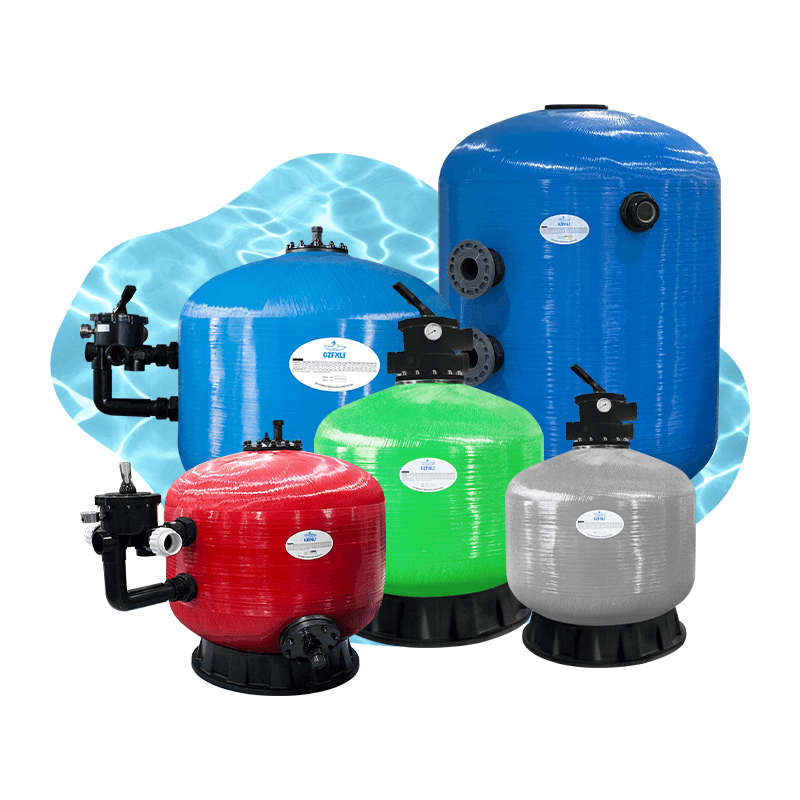
Understanding the parts of a swimming pool sand filter is essential for proper maintenance:
Filter Tank: Typically made of durable materials such as fiberglass or PVC, the tank houses the sand and filter media.
Multi-Port Valve: The valve controls the flow of water through different modes, including filtration, backwash, rinse, waste, and more.
Pressure Gauge: Helps monitor the filter's pressure and indicates when backwashing is needed.
Pump: Ensures water circulation through the filter system.
Sand Media: Graded silica sand is used to trap debris and particles. Typically, #20 silica sand is recommended for optimal filtration.
How to Maintain Your Swimming Pool Sand Filter
1. Regular Backwashing
Backwashing is the process of reversing the water flow through the filter to clean the sand bed. This helps flush out accumulated debris and particles. You should backwash the filter when the pressure gauge shows a rise of 8-10 PSI above the normal operating level.
How Often to Backwash?
For residential pools: Typically, every 2-4 weeks.
For commercial pools: More frequent backwashing may be required due to higher bather loads and debris.
2. Cleaning and Replacing the Sand
Over time, sand loses its ability to trap fine particles and needs to be replaced. The sand should be cleaned or replaced every 3-5 years, depending on the pool’s usage and water quality.
How to Replace Sand
Turn off the pump and drain the pool.
Remove the multi-port valve and the top of the filter tank.
Scoop out the old sand and replace it with fresh, high-quality #20 silica sand.
Make sure to properly dispose of the old sand.
3. Monitoring Pressure and Flow Rates
Maintaining the correct pressure levels is vital for the efficiency of the filter. A pressure gauge is typically included to help monitor the system.
Low Pressure: If the pressure drops below normal, there might be a blockage or issue in the system.
High Pressure: Indicates that the filter media is clogged and needs backwashing or a sand change.
4. Regular Inspection and Maintenance of Parts
Key components of the filter system should be checked regularly:
Inspect the Multi-Port Valve: Ensure that it is functioning properly, and the settings are correct.
Check for Leaks: Inspect the filter, pump, and plumbing for any signs of leaks, especially around connections and seals.
Lubricate Moving Parts: Apply lubricant to the valve handles and O-rings to ensure smooth operation and prevent wear.
5. Seasonal Maintenance and Winterizing
For regions with freezing winters, it’s essential to winterize your sand filter system to prevent damage from cold temperatures.
Winterization Steps
Drain the filter tank and all plumbing lines.
Remove any excess water to prevent freezing.
Cover the filter system to protect it from the elements.
Choosing the Right Sand Filter for Your Pool Type
Sand Filter for Inground Pools
For inground pools, larger and more powerful sand filters are recommended to ensure efficient filtration. Typically, these systems can handle high flow rates and larger volumes of water.
Sand Filter for Above-Ground Pools
For above-ground pools, a smaller and more compact system may be sufficient. These pumps are typically designed to handle smaller volumes and are energy-efficient, reducing operational costs.
Energy-Efficient and Smart Sand Filters
Today’s sand filters, like the Energy-Saving Sand Filter Pump for Above-Ground Pools, come equipped with advanced features such as dual-mode timers, energy-efficient pumps, and automatic backwashing. These features help minimize maintenance efforts, reduce water waste, and lower energy costs.
Smart Multi-Port Valve
A smart multi-port valve, such as the Smart Multi-Port Valve for Pool Filtration, allows for hands-free operation and reduces water waste by 30%. It features programmable settings for efficient backwashing, pressure monitoring, and water conservation.
Troubleshooting Common Issues with Sand Filters
1. Low Water Flow
Possible causes of low water flow include clogged filters, pump malfunctions, or closed valves. Check the filter, pump, and plumbing for any obstructions.
2. Cloudy Water
Cloudy water can result from poor filtration, low chlorine levels, or an overloaded filter. Backwash the filter, check the chemical balance, and inspect the filter media.
3. High Pressure
High pressure indicates that the filter media is dirty or clogged. Perform a backwash or sand replacement.
FAQs About Swimming Pool Sand Filters
Q: What type of sand is best for a sand filter?
A: #20 silica sand is recommended for most sand filters. It provides optimal filtration without restricting water flow.
Q: How often should I replace the sand?
A: Sand should be replaced every 3-5 years, depending on usage and water conditions.
Q: Can I use the sand filter for a saltwater pool?
A: Yes, sand filters are compatible with saltwater systems, but make sure the components are corrosion-resistant.
Q: How do I know when to backwash the filter?
A: Backwash when the pressure gauge reads 8-10 PSI above normal operating pressure.
Q: Can a sand filter handle debris like leaves?
A: Yes, a sand filter can trap large debris, but using a strainer basket before the filter can help with larger leaves and twigs.
Conclusion
Maintaining your swimming pool sand filter is a straightforward process that involves regular backwashing, checking pressure levels, and replacing sand when necessary. By staying on top of these maintenance tasks, you can ensure that your filter continues to operate efficiently, keeping your pool water clean and clear all year round.


