Hear that harsh, mechanical screech coming from your backyard? That is the sound of a dry-running motor crying for help. You step outside on a sweltering summer afternoon, ready for a refreshing dip, only to find your water circulation has completely stopped. A dry pump can quickly ruin your summer plans. When air infiltrates the system, you experience what industry professionals call prime loss. This operational failure puts your motor at severe risk of permanent heat damage.
In this comprehensive guide, we will explore exactly why this mechanical failure occurs. Drawing from years of field engineering experience, I will share actionable troubleshooting steps and practical details to get your circulation system back on track without unnecessary stress.
Key Takeaways
Prime loss is almost exclusively a symptom of air infiltration on the suction side of your circulation system, rather than a failure on the pressure side.
The most frequent diagnostic culprits include compromised lid O-rings, degraded flexible hoses, and severely clogged skimmer baskets that restrict water flow.
Implementing a structured maintenance routine serves as the most effective preventative measure against future operational failures.
Early identification and remediation of a suction leak are critical to preventing motor overheating, cavitation damage, and irreversible harm to your equipment.
Understanding Your Circulation System Mechanics
To accurately diagnose equipment failures, you must first understand the fundamental mechanics of your filtration setup. A standard Above Ground Pool Pump operates using centrifugal force. An internal component called the impeller spins rapidly to create a pressure differential. This powerful action draws water from the pool basin, pushes it through the filtration media, and returns it clean.
Modern units are engineered with specific tolerances. For instance, high-quality pumps feature IPX5 waterproof ratings and Class F motor insulation to withstand harsh outdoor environments. The concept of priming refers to the mechanical ability of the pump to evacuate air from the suction lines. By doing so, it creates a sufficient vacuum to lift water into the housing. However, this capability has strict physical limits. The mechanism can only function if the entire plumbing system remains reasonably airtight.
Specifically, the plumbing is divided into two distinct zones. The suction side encompasses everything before the impeller, including the skimmer, the intake line, and the strainer basket. This entire zone operates under a strict vacuum. Conversely, the pressure side includes everything after the impeller, like the filter tank and return jets. Because the motor relies on a vacuum to draw liquid upward, even a microscopic introduction of air on the suction side will destroy that vacuum. This leads directly to a loss of prime and causes the motor to run dry.
The Primary Cause: Air Leaks on the Suction Side
When investigating why a system fails to move water, air leaks on the suction side remain the leading cause of Prime Loss. Because this area operates under negative pressure, any physical breach in the plumbing will actively pull air inward rather than push water outward. Consequently, these leaks are notoriously difficult to spot. Unlike pressure-side cracks that actively spray water, suction breaches are completely dry on the outside.
An intake leak introduces unwanted gases into the pump housing. Air is significantly less dense than water. As the impeller spins, it attempts to process this aerated mixture. Because the impeller is engineered specifically to move heavy liquid, the presence of air disrupts the centrifugal force. The pump loses its grip on the water column. The fluid drops back down the pipe, leaving the motor spinning nothing but air, which rapidly leads to dangerous overheating.
In the field, the most reliable diagnostic indicator of a hidden leak is the presence of air bubbles in your return jets. Under normal operation, the return jets should emit a solid, clear stream. If you observe a continuous stream of fine, champagne-like bubbles entering the pool, the system is actively ingesting air. Monitoring the size and frequency of these bubbles helps gauge the severity of the breach.
Checking Your Pump Lid and O-Ring
The single most common point of failure for air intrusion is the clear lid and its accompanying rubber O-ring. This lid provides the primary seal for the strainer basket housing, which sits under direct vacuum pressure. If this seal is compromised, air will easily bypass the plastic cover and flood the system.
When you twist off the lid to inspect this component, first ensure the power to the motor is completely disconnected at the breaker. Extract the rubber O-ring from its seating groove. Examine it carefully under good lighting. A healthy O-ring should be perfectly round in cross-section, highly flexible, and free of any micro-tears. If the rubber feels brittle, appears flattened on one side, or leaves a black powdery residue on your fingers, it has degraded and must be replaced immediately.
Proper lubrication is essential for maintaining an airtight barrier. You must apply a generous coating of high-quality, silicone-based pool lubricant to the O-ring. Never use household petroleum jelly. Petroleum products will chemically degrade the rubber over time, causing it to swell, soften, and ultimately fail.
Furthermore, your installation technique matters greatly. A common operational mistake is overtightening the lid. Excessive force can warp the plastic housing or crush the O-ring out of its designated groove. Ironically, this creates the exact air gap you are trying to prevent. The lid should be tightened firmly by hand until it is snug and secure. Never use wrenches or heavy tools.
Inspecting Hoses and Connections for Air Entry
In addition to the lid seal, the plumbing lines themselves are highly vulnerable. Unlike in-ground setups that utilize rigid PVC piping, many above-ground configurations rely on flexible, corrugated hoses. While these hoses offer excellent installation flexibility, they are highly susceptible to environmental degradation, UV exposure, and chemical wear.
Evaluating the integrity of these flexible lines requires a methodical approach. Over time, constant exposure to sunlight and harsh chlorinated water causes the plastic to become rigid. This brittleness leads to hairline fractures, particularly in the valleys of the corrugation. Because these cracks are subjected to vacuum pressure, they act as tiny intake valves for air. To detect pinholes, try running a specialized leak detection dye along the hose joints while the system is running. Some technicians even use standard shaving cream. If there is a Suction Leak, the vacuum will visually pull the material directly into the hole.
Hose clamps are another critical inspection point. Standard stainless steel worm-gear clamps can vibrate loose due to the natural hum of the motor. Ensure that every connection point is secured tightly. If a hose feels loose or spins easily on its fitting, the connection is not airtight. Industry standards suggest replacing flexible corrugated hoses every two to three years as a preventative measure.
Identifying Blockages: Clogged Baskets and Filters
There is a direct mechanical correlation between severe water flow restriction and the loss of prime. The motor is designed to move a specific volume of water per minute. When physical blockages occur, the pump is starved of fluid. This forces it to work significantly harder and dramatically increases the vacuum pressure within the intake lines.
A clogged skimmer basket is the most frequent culprit. When autumn leaves, heavy debris, or a rogue pool toy block the skimmer opening, the water flow is choked off. The impeller continues to spin at full speed, creating an abnormally high vacuum. This excessive negative pressure can become so strong that it forces air past otherwise functional O-rings or threaded fittings. The system essentially sucks air in because it cannot pull enough water.
Similarly, the condition of your Filter Pump media plays a massive role in overall system pressure. While the filter sits on the pressure side, an extremely dirty tank creates high backpressure. If the system is struggling to push water through compacted sand or dirty cartridge pleats, the overall flow rate drops. This restriction can easily exacerbate existing minor suction leaks.
Regular maintenance of these components is non-negotiable. Skimmer and strainer baskets should be emptied daily during heavy debris seasons. Furthermore, monitoring the pressure gauge on the filter tank is crucial. Backwashing or cleaning the filter media is required when the pressure rises 8 to 10 PSI above your clean baseline.
Water Level Issues and Skimmer Performance
While mechanical failures are common culprits, environmental factors play an equally significant role in system performance. One of the most frequently overlooked causes of prime failure is simply an inadequate water level in the swimming basin. The skimmer is the primary entry point for water traveling into your filtration system. When the water level drops below the optimal threshold, the suction dynamics change drastically.
Understanding the vortex effect is crucial for diagnosing this issue. When the water level falls below the halfway mark of the skimmer faceplate, the powerful suction begins to pull air from the surface. This rapid suction creates a miniature whirlpool inside the skimmer bucket. Instead of pulling a solid stream of water, the system ingests massive gulps of surface air. This sudden influx of compressible gas breaks the vacuum seal inside the plumbing.
To maintain consistent performance, the water level must remain perfectly balanced between half and two-thirds of the skimmer faceplate opening. Pool owners must account for natural water loss caused by evaporation, aggressive splashing, and regular maintenance tasks. During peak summer months, a pool can lose up to a quarter-inch of water per day solely through evaporation. Monitoring the water line daily is highly recommended.
Industry Insights: The Evolution of Pool Circulation Technology
Recent market analysis highlights a significant shift in how the industry approaches residential water circulation. With changing climate patterns and prolonged heatwaves causing rapid water evaporation, traditional single-speed motors face unprecedented environmental strain. Today, there is a massive consumer demand for smart diagnostics and energy-efficient variable-speed technologies.
Engineers are responding to these challenges by integrating advanced thermal overload protection and automated sensors. These modern systems can detect prime loss and shut down the motor before catastrophic overheating occurs. Furthermore, the industry is rapidly moving toward high-efficiency motors that automatically adjust their RPMs based on real-time flow resistance. This technological evolution not only reduces electricity consumption by up to 70 percent but also minimizes the intense vacuum pressure that often causes micro-leaks in aging plumbing.
Equipment Selection: Upgrading Your Setup
When an older unit repeatedly loses prime due to warped internal components, replacement is often more cost-effective than constant repairs. Upgrading to a modern system ensures better hydraulic balance and long-term reliability. Below is a quick field guide comparing standard units to modern energy-saving alternatives.
| Feature Focus |
Standard Single-Speed Pump |
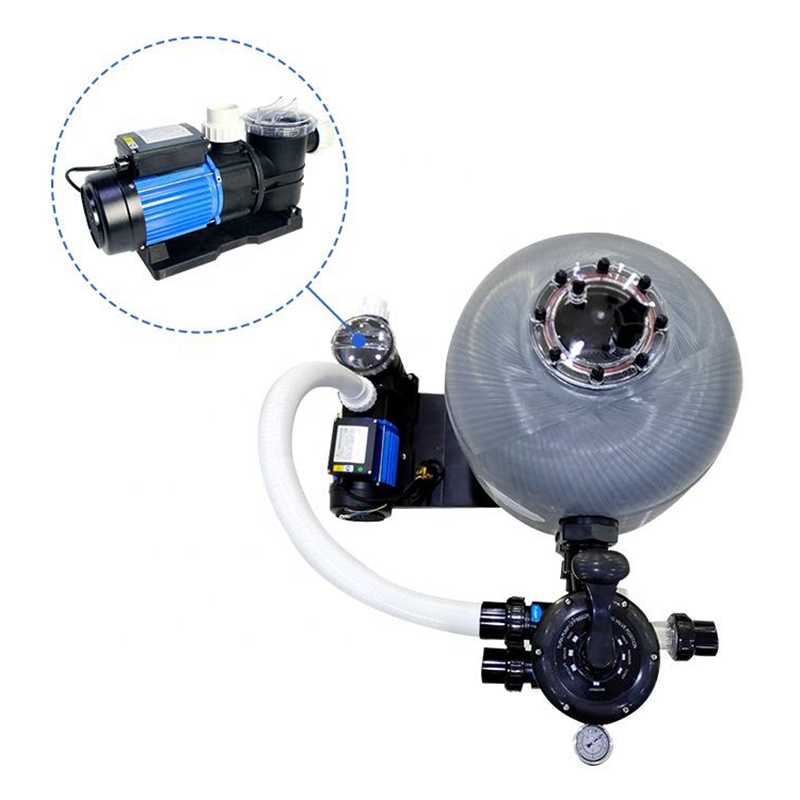
Energy-Saving Sand Filter Pump Setup |
| Motor Protection |
Basic air-cooled |
Built-in Thermal Overload Protection & IPX5 Rating |
| Energy Consumption |
High continuous draw |
Optimized flow dynamics for lower utility bills |
| Noise Level |
Noticeable mechanical hum |
Ultra-quiet operation with vibration-dampening base |
| Best Application |
Small, seasonal temporary pools |
Permanent above ground setups requiring high turnover |
When to Seek Professional Help
While many circulation issues can be resolved through basic troubleshooting, certain mechanical failures require the expertise of a certified technician. Recognizing the difference between a simple air intrusion and a catastrophic hardware failure is essential. Continuing to run a compromised system can lead to motor burnout and electrical hazards.
One of the most critical warning signs is a persistent screeching noise emanating from the motor housing. This specific auditory cue typically indicates that the internal motor bearings have failed due to water intrusion. If you notice a puddle of water pooling directly underneath the equipment pad, the internal mechanical shaft seal has likely degraded. The mechanical seal separates the wet end of the pump from the dry electrical motor. When this seal cracks, chlorinated water leaks along the drive shaft and destroys the metal bearings. A DIY fix is rarely sufficient for this, as it requires completely dismantling the motor assembly.
Another complex issue involves impeller cavitation. If fine debris like pine needles bypasses the skimmer baskets, it can become permanently lodged in the impeller vanes. This restricts water flow and mimics the exact symptoms of a suction leak. Removing an impeller requires specialized tools to lock the motor shaft in place securely.
Preventive Maintenance for Long-Term Reliability
The most effective strategy for managing your pool equipment is proactive prevention rather than reactive repair. Establishing a consistent maintenance routine ensures that your system maintains its Self Priming efficiency and extends the overall lifespan of the hardware. A well-maintained circulation setup operates quietly and consumes less electricity.
Creating a monthly checklist for your equipment pad is highly recommended. On a weekly basis, you should empty all skimmer and strainer baskets. Organic debris restricts water flow, forcing the motor to work harder. During this weekly check, verify that the water level is sitting exactly at the midpoint of the skimmer faceplate.
On a monthly basis, conduct a thorough inspection of all rubber gaskets. Remove the primary lid O-ring, wipe it clean of any dirt with a soft cloth, and inspect it for signs of cracking. Apply a generous layer of silicone lubricant before reseating it. Additionally, evaluate the integrity of your flexible plumbing lines and tighten all stainless steel hose clamps with a nut driver.
Finally, proper winterization is non-negotiable for owners living in freezing climates. Water left inside the housing will expand as it freezes, resulting in catastrophic plastic cracks. Always remove the winterizing drain plugs located at the bottom of the casing. Store the plugs, the lid, and the lubricated O-ring indoors in a climate-controlled environment.
Conclusion
Maintaining your pool equipment is highly essential for crystal clear water. Proper, routine care prevents sudden system failures and extends the life of your investment. Always check for simple air leaks and verify your water levels before assuming you need to replace expensive parts. By inspecting your skimmer baskets weekly and lubricating your seals regularly, you can save valuable time and significantly reduce repair costs.
If your aging equipment continues to struggle despite your best maintenance efforts, it might be time for an upgrade. Investing in high-quality, thermally protected equipment ensures you spend less time troubleshooting and more time enjoying your backyard oasis. Explore the reliable, energy-efficient product line at Finnforst to find the perfect match for your swimming pool setup today.
Frequently Asked Questions
What does it mean when my pool pump loses prime?
When a pump loses its prime, it means the internal plumbing and the main housing have become filled with air rather than water. Centrifugal pumps rely on water to create a vacuum and generate suction. Because the impeller is designed to push heavy liquid, it cannot effectively move lightweight air. As a result, the water flow comes to a complete halt. This is a critical operational failure that requires immediate attention.
Can I run my pump if it has lost its prime?
Absolutely not. You should never allow the system to run dry. The water passing through the equipment serves a dual purpose. It filters the pool and acts as a vital coolant for the internal mechanical shaft seal. Without the cooling effect of the water, the friction generated by the spinning impeller will cause the mechanical seal to overheat and melt within just a few minutes.
How do I know if I have a suction leak?
A suction leak occurs on the plumbing side that pulls water from the pool into the equipment. The most obvious visual indicator is the presence of persistent, rolling air bubbles inside the clear strainer lid. Additionally, you will likely see a steady stream of air bubbles shooting out of the return jets back into the pool. You may also notice that the system takes an unusually long time to catch its prime upon startup.
How often should I lubricate my pump lid O-ring?
For optimal performance, you should inspect and lubricate the lid O-ring every single time you open the lid to clean out the strainer basket. This is typically every one to two weeks. Frequent lubrication ensures the rubber remains supple and capable of forming a perfect, airtight vacuum seal. Always use a dedicated silicone-based or Teflon-based pool lubricant.
Is self-priming automatic?
The term self-priming is often misunderstood. It does not mean the motor operates entirely without any initial water. A self-priming system is engineered with a specialized housing that retains a small reservoir of water even when turned off. When activated, it uses this retained water to mix with the trapped air in the suction lines, gradually pushing the air out until a full liquid vacuum is restored.
How long does it take for a pool pump to prime?
Under normal conditions with an airtight system, a standard above-ground pump should achieve full prime within two to three minutes of startup. If your equipment runs for more than five minutes without catching prime and pulling a solid stream of water, shut off the power immediately to prevent heat damage and begin checking for air leaks or blockages.
Why does my pump lose prime overnight?
Losing prime while the system is turned off overnight is a classic symptom of a slow suction leak or a failing check valve. When the motor shuts down, the water column drops back toward the pool because air is slowly seeping into the plumbing, breaking the vacuum seal. Inspecting your lid O-ring, threaded intake fittings, and hose clamps is the best way to resolve this overnight draining issue.


