Operating a commercial or high-usage pool using mismatched, aging equipment inevitably creates severe operational headaches. Facility managers face inflated utility bills alongside unpredictable maintenance downtime continuously. Replacing individual mechanical components solves immediate failures quickly. However, these piecemeal upgrades frequently introduce complex hydraulic bottlenecks. Legacy single-speed pumps struggle to interact seamlessly alongside modern smart filters. Investing in unified equipment architectures ensures essential interoperability across your entire mechanical room. It allows automation, filtration, and thermal networks to communicate flawlessly. This synchronization dramatically lowers lifecycle operational expenses. It stabilizes daily facility operations significantly. You will discover exactly why integrated setups outperform disjointed component swaps. We will explore how modern connectivity drives verifiable energy savings. You will also learn practical evaluation criteria and effective rollout strategies for your facility.
Key Takeaways
Integrated equipment sets eliminate hydraulic friction and communication errors common in piecemeal systems.
Synchronizing variable-speed pumps with modern swimming pool heating equipment yields verifiable reductions in energy consumption.
Evaluating a system requires looking beyond initial CapEx to focus on lifecycle OpEx, regulatory compliance, and automation capabilities.
Partnering with a proven commercial pool equipment supplier mitigates supply chain delays and ensures warranty continuity.
The Hidden Costs of Piecemeal Pool Upgrades
Facility managers often replace broken components individually to conserve upfront capital. This fragmented approach creates hidden, compounding inefficiencies. Mixing legacy single-speed pumps alongside modern smart heaters limits overall system performance severely. The heater requires a specific, consistent flow rate to activate its heat exchanger effectively. An older pump often pushes water too quickly or too slowly. This mismatch prevents the smart heater from achieving peak thermal efficiency. Both units consume excess electricity trying to compensate for the fundamental imbalance.
Hydraulic inefficiencies represent another major consequence of fragmented upgrades. When a powerful new pump pushes water through an old, clogged sand filter, system head pressure spikes dangerously. This resistance forces the pump motor to operate near its thermal limits. Mismatched flow rates between your pump and filter cause rapid equipment degradation. You will likely observe the following structural issues:
Premature wear on pump impellers and internal motor bearings.
Severe water channeling inside sand filters, reducing overall water clarity.
Dangerous spikes in system head pressure, forcing motors to work harder.
Increased risk of PVC pipe fractures due to sudden pressure fluctuations.
Managing routine maintenance across a fragmented system exhausts your labor resources entirely. Technicians must navigate conflicting troubleshooting protocols across five or more different manufacturers. Sourcing proprietary spare parts becomes a logistical nightmare during peak seasons. When a pump fails to prime alongside a third-party heater, vendor disputes arise. The pump manufacturer blames the heater's pressure switch. The heater manufacturer blames the pump's flow rate. Tracking multiple disparate warranties increases administrative burdens. Facility downtime extends while staff attempt to identify integration failures.
How a Unified "Full Set" Architecture Drives Efficiency
Integrated mechanical ecosystems function harmoniously. They eliminate communication barriers between critical components. Variable speed integration serves as the primary cornerstone of this operational efficiency. Modern variable-speed pumps (VSPs) adjust water flow dynamically. They respond directly to real-time demands generated by filtration and sanitation units. The pump motor slows down automatically during periods of low bather load. It ramps up instantly when sensors detect increased debris or higher chemical demand.
Thermal management also improves drastically within a unified architecture. Heat exchangers require precise water velocity to transfer thermal energy without boiling the water locally. If water moves too slowly, destructive calcium scaling accelerates inside the exchanger tubes. Integrated controllers optimize your heating equipment flawlessly. Automation platforms monitor real-time water flow rates continuously. They prevent heaters from firing if pump flow drops below safe thresholds. This safety measure reduces wasted energy immediately. It prevents catastrophic damage to sensitive internal heat exchangers.
Automated chemical dosing creates further operational synergy. Unified systems combine ORP and pH sensors directly into the main circulation loop. The central dosing controller communicates continuously via digital cables to the variable-speed pump. It ensures chemicals enter the water only when flow rates guarantee proper mixing. This synchronization prevents dangerous localized chemical overdosing in the pipework. It reduces consumable chemical usage significantly over the long operating season.
Best Practice: Always position injection points for liquid chlorine or acid downstream from your heating units. This configuration prevents highly concentrated chemicals from flowing backward into the heat exchanger when the main pump powers down.
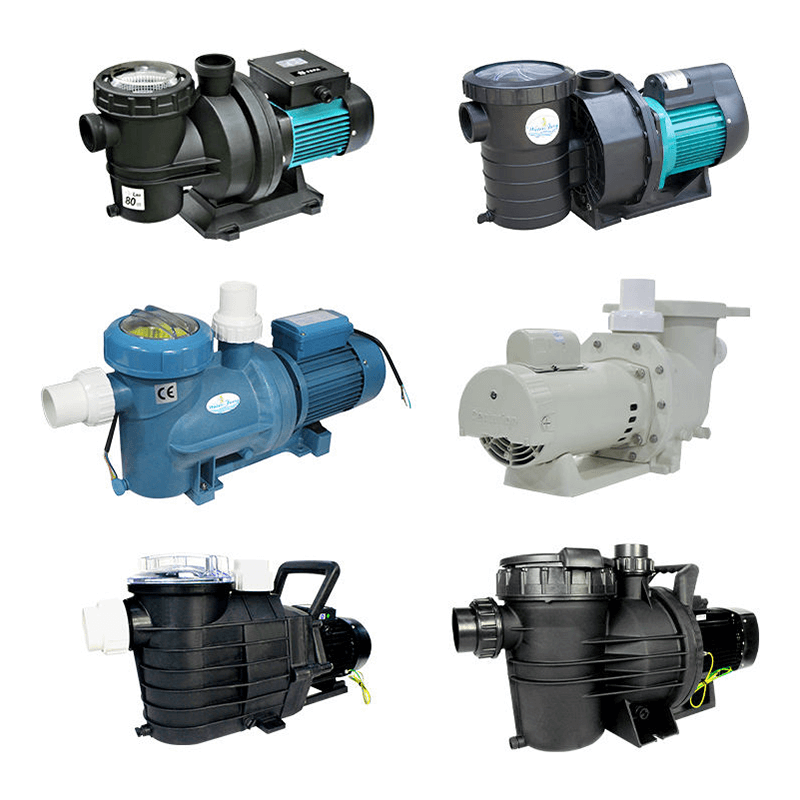
Evaluation Criteria for Full Set Swimming Pool Equipment
Upgrading your facility requires a rigorous evaluation of available hardware packages. Selecting Full Set Swimming Pool Equipment demands a strong focus on long-term value. You must verify energy compliance and recognized industry certifications first. Department of Energy (DOE) regulations now mandate strict minimum efficiency standards for dedicated pool pumps. Align your choices strictly with these updated standards. Look for exceptionally high Coefficient of Performance (COP) ratings when evaluating heat pumps. Certified equipment guarantees baseline efficiency metrics.
Automation and smart diagnostics separate basic setups from advanced operational hubs. Assess the system's capacity for secure remote monitoring. Your maintenance team should receive detailed error-code logs directly on their mobile devices. Predictive maintenance alerts notify you before a minor vibration causes total mechanical failure. This digital visibility transforms pool management entirely.
Material durability dictates how long your investment survives harsh aquatic environments. Commercial pools, saltwater setups, and high-bather-load facilities demand robust construction. Evaluate all major components for anti-corrosion materials. Fiberglass-reinforced plastics resist ultraviolet degradation aggressively. Standard 304 stainless steel corrodes rapidly when exposed to high-temperature saline environments. Ensure metallic parts utilize 316L stainless steel. It contains molybdenum for superior pitting resistance.
| Evaluation Category | Key Features to Look For | Operational Impact |
| Energy Compliance | DOE certification, High COP ratings | Guarantees lower baseline electrical consumption permanently. |
| Smart Automation | Remote monitoring, predictive fault alerts | Reduces manual visual inspections and sudden downtime. |
| Material Durability | Fiberglass vessels, 316L stainless steel | Prevents chemical corrosion and long-term mechanical fatigue. |
Calculating ROI: Capital Expenditure vs. Operational Savings
A complete system overhaul requires a significant initial capital expenditure (CapEx). Facility operators must acknowledge these upfront outlays transparently during budget planning. However, you achieve the payback period rapidly through structural operational savings (OpEx). Utility bills drop dramatically when variable-speed pumps synchronize perfectly with advanced heaters. Precise automated dosing controllers reduce your monthly bulk chemical procurement budgets.
Energy cost modeling proves essential for securing stakeholder approval. You must model your baseline current energy use accurately. Compare historical utility bills against the projected kilowatt-hour consumption of an automated system. Reputable manufacturers provide specific electrical consumption data for their unified systems. You can calculate daily financial savings easily using your local commercial electricity rates.
Labor reduction represents a massive, often overlooked financial benefit. Fragmented systems require constant manual intervention from trained staff. Manually backwashing a multi-vessel commercial sand filtration system requires significant human capital. Maintenance staff must manipulate heavy butterfly valves, monitor sight glasses, and manually reset chemical feeders. Unified systems automate these repetitive maintenance tasks reliably.
Automated backwashing valves eliminate the need for manual filter cleaning routines.
Digital inline sensors replace time-consuming manual water testing procedures.
Predictive alert dashboards reduce expensive emergency mechanical interventions.
ROI Projection Chart Summary
| Cost Category | Piecemeal System (Legacy) | Unified Full Set | Estimated Savings Impact |
| Energy Consumption | High (Constant RPM) | Low (Variable RPM) | Substantial daily reduction |
| Chemical Waste | Moderate (Manual dosing) | Minimal (Automated ORP) | Moderate monthly reduction |
| Labor Hours | High (Manual oversight) | Low (Remote monitoring) | Substantial weekly reduction |
Implementation Realities and Rollout Risks
Executing a complete equipment upgrade introduces specific rollout risks. Facility managers must plan for unavoidable system downtime carefully. Phasing installation helps commercial facilities minimize direct revenue loss. Experienced contractors often install temporary bypass plumbing loops. This configuration allows the pool to circulate water using old pumps while technicians plumb the new filtration banks. You might schedule critical changeovers exclusively during off-peak night hours. This prevents user disruption during busy daytime swimming sessions.
Conducting a thorough hydraulic audit prevents catastrophic installation failures. You must evaluate your existing plumbing infrastructure deeply. Analyze current PVC pipe sizing and calculate maximum required turnover rates accurately. Installing modern, high-efficiency equipment onto undersized legacy plumbing creates immediate hydraulic bottlenecks. The new equipment cannot perform effectively if old two-inch pipes restrict main water flow.
Operator training remains critical for post-installation success. Advanced hardware requires knowledgeable staff to manage digital interfaces confidently. Facility managers must upskill their maintenance teams aggressively. Technicians need confidence adjusting set points on new digital touchscreen controllers. They must understand how to interpret diagnostic error codes correctly. Without proper digital training, facilities fail to realize the promised efficiency gains entirely.
Shortlisting Your Commercial Pool Equipment Supplier
Selecting the right manufacturing partner ensures long-term operational success. Vendor consolidation provides immense administrative benefits for facility managers. Sourcing a complete interconnected system from a single primary manufacturer streamlines accountability. It reduces frustrating finger-pointing between different brands during warranty claims. One single vendor takes full responsibility for entire system interoperability.
Evaluating supplier capability requires strict due diligence. Look closely at their manufacturing transparency and internal quality control processes. Assess their inventory depth comprehensively. A supplier with shallow inventory will leave you stranded during peak summer operating months. If a specialized variable frequency drive fails, you need replacement parts shipped overnight. Technical support availability matters greatly during sudden system faults. You need a responsive partner offering rapid troubleshooting guidance when emergencies strike.
Industry benchmarks highlight manufacturers delivering consistent reliability. Established manufacturers like Guangdong Fenlin Swimming Pool provide end-to-end commercial solutions. They balance premium hydraulic performance with strict operational budgets expertly. These suppliers understand the grueling demands placed on high-usage aquatic facilities daily. They engineer robust hardware sets capable of handling continuous, heavy bather loads effortlessly.
Conclusion
Transitioning to a complete, integrated equipment ecosystem represents a highly strategic operational decision. It shifts your pool management philosophy fundamentally. You move away from reactive, stressful maintenance toward proactive, predictable efficiency. Interoperable components work together seamlessly to minimize energy waste and chemical consumption.
Facility managers should take immediate action to prepare for future upgrades. Commission a comprehensive energy and hydraulic audit of your current mechanical room. Establish a clear performance baseline using existing historical utility data. This thorough preparation ensures you request accurate, highly optimized vendor quotes tailored specifically for your exact facility requirements.
FAQ
Q: Does replacing all pool equipment at once save money?
A: Yes. Purchasing a complete system secures bundled supplier pricing. It reduces installation labor since technicians perform the complex pipework in one consolidated phase. Most importantly, interoperable components generate immediate utility savings. They communicate flawlessly, preventing the excessive energy waste associated with mismatched pumps and filters.
Q: Can modern swimming pool heating equipment integrate with older pumps?
A: Yes, technicians can connect them via basic electrical relays. However, doing so forfeits advanced automation features. You lose flow-dependent variable heating capabilities found exclusively in unified systems. The smart heater cannot optimize its energy consumption dynamically if the older pump only operates at one fixed speed.
Q: What is the expected ROI period for a full commercial equipment upgrade?
A: Payback typically occurs within two to five years. The exact timeline depends heavily on local utility electricity rates and average facility bather load. Upgrading from inefficient, single-speed legacy pumps to a fully automated variable-speed ecosystem accelerates this financial return significantly through massive reductions in daily consumption.


