Introduction
Are you ready to transform your pool into a nighttime oasis? Proper swimming pool lighting can enhance both safety and ambiance, making your pool perfect for evening swims and entertaining guests.
In this article, we’ll explore how swimming pool lights work, their types, installation tips, and maintenance advice. By the end, you'll know how to choose the best lighting for your pool’s needs.
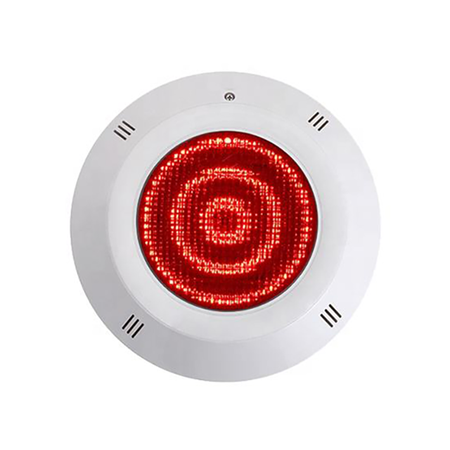
Swimming Pool Lighting Basics
Electrical Structure of Swimming Pool Lights
Swimming pool lights are designed with both functionality and safety in mind. The electrical system behind pool lighting ensures reliable illumination, even underwater, without compromising safety. The lights are typically connected to a dedicated circuit powered by a transformer, which lowers the voltage to a safe level suitable for underwater use.
The transformer ensures that the electrical supply is at a safe voltage, preventing any risk of electrical shocks. The wiring system of the pool lights is completely sealed to avoid any water leaks that could compromise the electrical components. This sealing prevents electrical hazards, which are crucial for the safety of anyone using the pool.
Most systems are also equipped with a Ground Fault Circuit Interrupter (GFCI), a device that continuously monitors the flow of electricity. If it detects any irregularities, such as water coming into contact with electrical components, the GFCI immediately shuts off the electricity supply. This feature plays a vital role in protecting swimmers from potential electrical hazards.
Waterproof Design and Electrical Isolation
The most critical feature of swimming pool lights is their waterproof design. Given the constant exposure to water, it is essential that these lights are designed to withstand harsh environments without risking electrical malfunctions. Waterproofing is achieved through the use of specialized materials and tight seals around the light fixtures. These seals ensure that no moisture enters the light fixture or the wiring system, preventing short circuits that could pose serious safety risks.
Additionally, electrical isolation is another crucial aspect of swimming pool lighting systems. Many pool lights come with built-in protective features, such as rubber seals and corrosion-resistant materials, to help prevent water from reaching any electrical components. This design significantly reduces the risk of electrical hazards and ensures the longevity of the lighting system.
For added protection, the installation of GFCI outlets is a must. This feature further enhances safety by immediately cutting off the power supply in case of any detected electrical fault. Whether the pool is being used for recreational swimming or evening parties, these safety measures provide peace of mind to homeowners and users alike.
Types of Swimming Pool Lights
LED Pool Lights
LED (Light Emitting Diode) pool lights have become the preferred choice for most pool owners due to their energy efficiency and long lifespan.
Advantages:
● Energy Efficiency: LED lights consume up to 90% less energy than traditional bulbs, resulting in significant savings on your energy bills.
● Long Lifespan: LED lights last up to 50,000 hours, meaning you'll rarely need to replace them.
● Customizable Colors: Many LED systems offer a range of colors, allowing you to set different moods for various occasions. You can even use remote controls or smartphone apps to change colors dynamically during pool parties.
Halogen Pool Lights
Halogen lights are another common option for pool lighting. These lights are known for their bright illumination, making them suitable for large or deep pools.
Advantages:
● Brightest Illumination: Halogen lights are ideal for larger pools as they emit brighter light.
● Lower Upfront Cost: These lights are less expensive than LED lights, making them a budget-friendly option.
Disadvantages:
● Higher Energy Consumption: Halogen lights consume more power than LEDs, leading to higher operating costs over time.
Fiber Optic Pool Lights
Fiber optic lighting offers a unique option for pool owners looking to avoid excess heat generated by traditional lighting methods.
Advantages:
● Minimal Heat Emission: Since the light source is outside the pool, fiber optic lights emit little to no heat into the water.
● Easy Maintenance: With the light source outside the pool, it’s easier to maintain and replace the lights when necessary.
● Decorative Appeal: Fiber optic lights can create beautiful, sparkling effects, resembling stars twinkling in the pool.
Installation and Placement of Pool Lighting
Best Time to Install Pool Lighting in New Pools
The best time to install swimming pool lighting is during the construction phase of a new pool. This allows you to incorporate the lighting seamlessly into the design, ensuring optimal placement and energy efficiency.
● Choosing Locations: When installing lighting, consider placing lights in locations that provide even illumination. For larger pools, position lights at regular intervals to avoid dark spots. You may also want to add accent lighting near steps or water features for added safety and beauty.
● Integrated Design: Installing lights during construction also ensures that all the wiring and electrical connections are hidden, creating a clean and professional look.
Upgrading Lighting in Existing Pools
If you already have a pool, upgrading the lighting can dramatically improve the ambiance and safety of the space. However, retrofitting lights into an existing pool requires more effort than installing them during construction.
● Choosing the Right Lights: When upgrading, opt for lighting types that fit the existing design and structure of your pool. LED lights are often the best option for retrofitting due to their energy efficiency and easy installation.
● Electrical Considerations: Adding new lights may require additional electrical work, such as running new wiring or installing new junction boxes. It's important to hire a professional to handle these tasks to ensure safety and compliance with local codes.
Maintenance and Repair of Pool Lighting
Keeping Your Pool Lighting in Top Condition
Proper maintenance ensures that your pool lighting continues to function safely and effectively for years to come. Here are a few maintenance tips:
● Regular Inspections: Check the lights periodically for any signs of wear or damage. Look for any corrosion or rust around the fixtures and ensure that the seals remain intact.
● Cleaning the Lenses: Over time, dirt, algae, and debris can accumulate on the lenses of your pool lights, reducing their brightness. Clean the lenses regularly to ensure the lights remain as bright and effective as possible.
Replacement and Repair Considerations
Even the best pool lights will eventually need to be replaced. When that time comes, it’s important to follow proper procedures to ensure safety.
● Signs It’s Time for a Replacement: If your lights start flickering, dimming, or showing inconsistent colors, it's time to replace them.
● Safe Replacement: Always turn off the power to the pool lights before beginning any repairs or replacements. For underwater lights, be sure to use tools that are specifically designed for pool lighting to avoid damaging the waterproof seals.
Energy Efficiency and Cost Savings of Pool Lighting
Long-Term Energy Savings of Pool Lighting
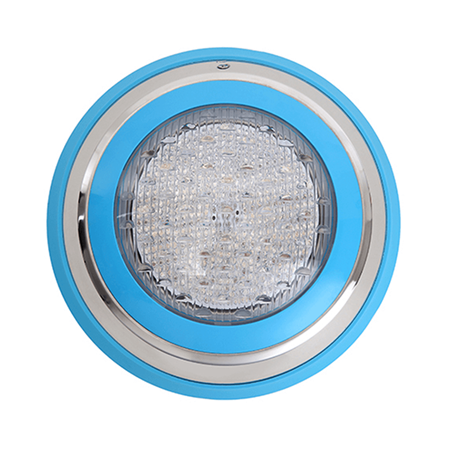
When choosing pool lighting, energy efficiency is one of the most important factors to consider. Here’s how different types of lights compare:
Light Type | Energy Consumption | Lifespan | Cost Efficiency |
LED Lights | Low | Up to 50,000 hours | High |
Halogen Lights | High | 2,000-5,000 hours | Moderate |
Fiber Optic Lights | Low (outside pool) | 20,000-40,000 hours | High |
● LED Lights: These lights consume much less energy than traditional lighting methods, saving you money in the long run.
● Halogen Lights: While halogen lights provide bright illumination, they use more energy, which leads to higher monthly electricity bills.
● Fiber Optic Lights: Since the light source is kept outside the pool, fiber optic lights consume minimal energy and are highly efficient.
Reducing Pool Lighting Maintenance Costs
LED lights are particularly known for their durability, reducing the need for frequent replacements. Here's how they compare:
● Long Lifespan: LEDs can last up to 10 times longer than halogen or incandescent lights, meaning you won’t have to replace them as often.
● Lower Maintenance Costs: With fewer replacements needed, the overall cost of maintaining pool lighting decreases over time.
Conclusion
Swimming pool lighting enhances both aesthetics and safety, making your pool usable at night. Proper lighting not only creates ambiance but also ensures safe swimming in the dark. Selecting the right lighting type, installation method, and regular maintenance is key to long-term effectiveness. Products from Guangzhou Fenlin Swimming Pool & Sauna Equipment Co., Ltd. offer durable, energy-efficient solutions to enhance your pool experience, ensuring both functionality and style.
FAQ
Q: What is swimming pool lighting and how does it work?
A: Swimming pool lighting uses specialized, waterproof lights designed to illuminate the pool safely. The electrical system ensures stable lighting underwater, protecting against electrical hazards while enhancing pool aesthetics.
Q: Why is swimming pool lighting important for safety?
A: Swimming pool lights increase visibility, preventing accidents by illuminating the pool's edges, steps, and deep ends. This ensures safer swimming, especially at night.
Q: How do I choose the right swimming pool light for my pool?
A: Consider factors like energy efficiency, brightness, and color options. LED lights are a popular choice due to their long lifespan and low energy consumption.
Q: Can I install swimming pool lights in an existing pool?
A: Yes, you can upgrade your existing pool with new lighting. A professional can help add lights to your pool, ensuring proper installation and safety.
Q: How long do swimming pool lights typically last?
A: LED swimming pool lights can last up to 50,000 hours, reducing the need for frequent replacements compared to halogen or incandescent bulbs.


