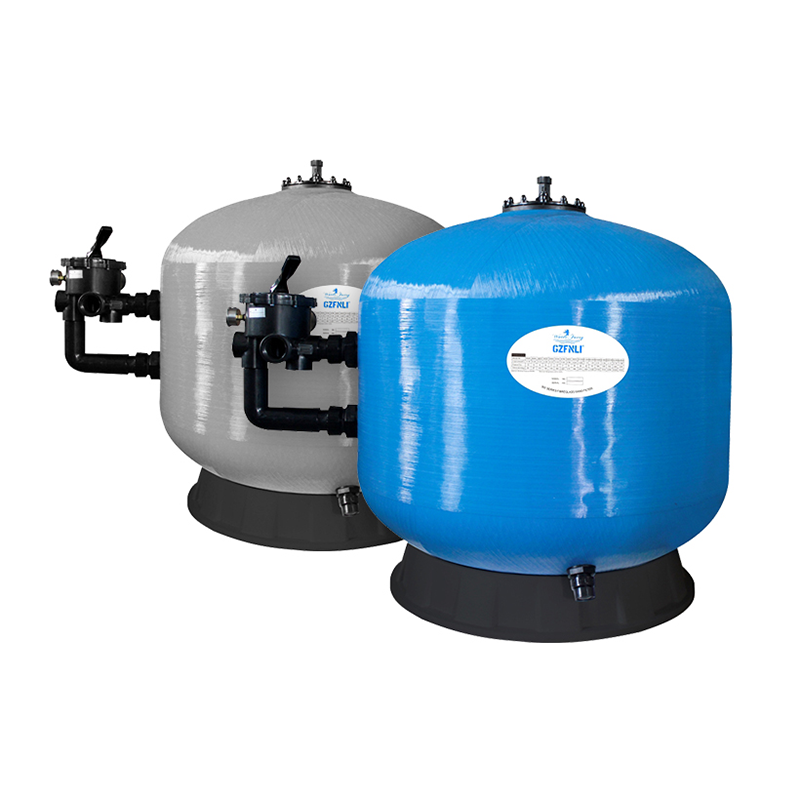
Swimming pool sand filters are one of the most reliable, low-maintenance systems for keeping pool water clean and clear. These filters use a medium of sand to trap debris, dirt, and other particles that can pollute your pool water. This filtration system is not only cost-effective but also efficient in terms of water quality and energy consumption. Whether you have an above-ground pool or an in-ground pool, a sand filter is a highly effective choice for ensuring crystal-clear water in your pool.
How a Swimming Pool Sand Filter Works
A swimming pool sand filter works by using a layer of sand to filter debris and contaminants from the pool water. The process is simple yet highly effective. Water from the pool is drawn into the filter through the pump and then passed through a tank filled with sand. As the water flows through the sand, debris particles such as dirt, algae, and other impurities become trapped within the sand. Clean water then passes through and is returned to the pool. This process helps maintain optimal water quality and clarity.
Step-by-Step Process of Filtration
Water Intake: The pump draws pool water into the sand filter.
Filtration: Water passes through the sand bed, which captures dirt and debris.
Water Release: Once filtered, the clean water returns to the pool, ensuring the pool stays clean and clear.
Components of a Swimming Pool Sand Filter
A typical swimming pool sand filter consists of several key components that work together to keep the pool water clean:
Filter Tank: The container that holds the sand and water.
Sand Bed: The primary filtration medium that traps particles.
Valve: A multi-port valve that controls the flow of water through the system.
Pump: The device that circulates water into the filter and back into the pool.
Each of these components plays an essential role in the filtration process, contributing to the system’s efficiency and effectiveness.
Types of Swimming Pool Sand Filters
There are different types of sand filters designed for various pool sizes and types, including:
Sand Filters for Above-Ground Pools: These filters are typically compact and designed for ease of installation and maintenance in above-ground pool systems. They usually come with energy-saving features and user-friendly controls.
Sand Filters for Inground Pools: Larger and more robust, these filters are designed for heavy-duty filtration in inground pool systems. They often include commercial-grade components to handle the demands of larger pools and higher flow rates.
Benefits of Swimming Pool Sand Filters
There are numerous advantages to using a sand filter for your swimming pool:
Cost-Effective: Sand filters are relatively inexpensive to purchase and maintain compared to other types of filters, such as cartridge or diatomaceous earth (DE) filters.
Low Maintenance: These filters require minimal upkeep, with sand only needing to be replaced every 3-5 years, depending on usage.
Long-Lasting: Sand filters are durable and built to last for many years, even under demanding conditions.
Energy Efficient: Many modern sand filters are designed to reduce energy consumption, making them a sustainable option for pool owners.
Versatile: Suitable for pools of all sizes, sand filters are commonly used for both residential and commercial pools.
Maintenance of Swimming Pool Sand Filters
While sand filters require less maintenance than other filtration systems, they still need to be cared for to maintain their effectiveness. The primary tasks include:
Backwashing: This process involves reversing the water flow to clean the sand and remove trapped debris. It is typically done when the pressure gauge indicates that the filter is clogged.
Changing the Sand: Over time, the sand can become less effective at trapping debris. Typically, sand should be replaced every 3 to 5 years.
Checking the Pressure: Regularly monitor the filter’s pressure gauge to ensure it is working efficiently. High pressure can indicate that the filter is dirty and requires backwashing.
Advanced Features in Modern Sand Filters
Many modern sand filters come with additional features designed to enhance their efficiency and ease of use:
Smart Multi-Port Valves: These valves automate backwashing and other functions, reducing water waste and making maintenance easier. They also feature programmable settings to schedule cleaning cycles and monitor water pressure.
Energy-Saving Technology: Advanced sand filters are designed to consume less energy while maintaining optimal performance, making them an eco-friendly choice.
Corrosion-Resistant Materials: Many sand filters use UV-stabilized PVC or fiberglass, making them more durable and resistant to the harsh effects of pool chemicals and sunlight.
Sand Filter Pumps for Above-Ground Pools
An excellent example of a high-performance sand filter system for above-ground pools is the Energy-Saving Sand Filter Pump for Above-Ground Pools. This system combines efficient sand filtration with powerful circulation, ensuring crystal-clear water while minimizing energy consumption. With its 6-function control valve and automated timer, it’s designed for easy installation and minimal maintenance.
How to Choose the Right Sand Filter for Your Pool
When choosing a sand filter for your pool, consider the following factors:
Pool Size: Ensure that the sand filter is capable of handling the water volume in your pool. Larger pools require larger filters with higher flow rates.
Flow Rate: The flow rate indicates how much water the filter can process per hour. A higher flow rate is essential for larger pools or pools with heavy bather loads.
Filter Media Size: The size of the sand particles used in the filter impacts its ability to trap debris. Fine particles are more effective but may also reduce water flow.
Ease of Maintenance: Look for filters that are easy to backwash and maintain, especially if you prefer low-maintenance systems.
Conclusion
Swimming pool sand filters are an excellent choice for maintaining clear and clean pool water. With their efficient design, cost-effectiveness, and minimal maintenance requirements, they are a popular choice for both residential and commercial pool owners. Whether you have an above-ground or in-ground pool, investing in a high-quality sand filter ensures your pool remains sparkling clean and inviting all season long.
FAQs
Q: What type of sand should I use in my pool filter?
A: The most common type of sand used is #20 silica sand. It is ideal for filtration and provides efficient water flow.
Q: How often should I backwash my sand filter?
A: Backwashing should be done when the pressure gauge shows a 8-10 PSI increase from the clean pressure, typically every 2-4 weeks.
Q: Can a sand filter handle large debris like leaves?
A: Yes, the filter can handle larger debris like leaves. However, it is advisable to use a pre-filter or skimmer for large debris before it reaches the sand filter.
Q: How long does a sand filter last?
A: A well-maintained sand filter can last for 5-10 years. Sand itself needs to be replaced every 3-5 years, depending on usage.
Q: Is a sand filter energy-efficient?
A: Yes, many modern sand filters are designed with energy-saving features, reducing power consumption while maintaining optimal filtration performance.