Selecting the wrong heating equipment carries severe financial and operational consequences. Facility managers and homeowners often face massive monthly utility bills, rapid equipment failure, and frustrating facility downtime following poor sizing decisions. You risk guest dissatisfaction at resorts or ruined weekend plans at home. Balancing upfront capital expenditure against long-term operating expenses requires careful technical planning. You must navigate local climate constraints, existing facility infrastructure, and specific usage demands. High-traffic resorts need vastly different solutions than seasonal home pools. We provide a structured evaluation framework below to help you select the exact technology, sizing, and configuration required. You will understand how to match equipment to your specific aquatic environment. A properly specified swimming pool water heater ensures consistent comfort and maximizes operational efficiency.
Sizing is Science, Not Guesswork: Heater capacity (measured in BTUs) must be calculated based on pool surface area, target temperature delta, and local climate realities—not merely gallon capacity.
Usage Patterns Dictate Capacity: A larger BTU output is mandatory for rapid, on-demand heating, whereas smaller, highly efficient units are optimal for maintaining a constant baseline temperature.
Commercial vs. Residential Distinctions: A commercial swimming pool heater requires distinct compliance standards, redundancy configurations, and rapid recovery rates that standard residential units cannot support.
Infrastructure Dictates Feasibility: Implementation success is strictly bound by existing site infrastructure, including gas line pressure, electrical panel capacity, and environmental factors like ambient air temperature.
Defining Success Criteria for Your Pool Heating System
Residential vs. Commercial Demands
Home pools require careful evaluation of structural elements before you even look at equipment specifications. Above-ground and inground pools possess vastly different heat loss profiles. Inground pools benefit from natural ground insulation. Soil thermal conductivity helps retain heat in the water, acting as a massive thermal mass. Above-ground pools lose heat rapidly through exposed side walls due to convective wind currents. This structural distinction dictates plumbing compatibility and overall capacity needs. You must decide between year-round heating and seasonal extension. Weekend-only rapid heating demands high BTU output to bring the water up to temperature quickly on a Friday afternoon. Constant temperature maintenance allows for smaller, efficient units that run low and slow. Noise level constraints also play a major role in residential planning. Neighborhoods often enforce strict decibel limits at property lines, which restricts where you can place compressor-driven equipment.
Hotels and resorts face much stricter commercial requirements. They demand absolute 24/7 reliability to ensure guest satisfaction and maintain facility ratings. Rapid thermal recovery is mandatory after heavy bather loads. Large groups of swimmers absorb heat and lower water temperatures quickly, while splashing increases surface area evaporation. You often need seamless integration with a dedicated spa water heater system to keep hot tubs at a strict 104°F. Strict health code compliance dictates specific flow rates and turnover times. Commercial units require mandatory safety shutoffs, precise temperature controls, and heavy-duty heat exchangers built to withstand continuous operation.
Calculating the Required Heating Load (BTU Sizing)
Surface area dictates heat loss. Evaporation causes the vast majority of thermal loss in any body of water. Total water volume matters much less than the exposed surface area interacting with the ambient air. You must calculate the desired temperature rise accurately to size the equipment. Field technicians use a specific sequence to determine the baseline heating load.
Measure the exact surface area of the pool in square feet (length multiplied by width for rectangular pools).
Determine your target water temperature. The industry standard typically ranges from 78°F for competitive swimming to 86°F for recreational use.
Identify the average ambient air temperature during the coldest month you plan to operate the pool.
Subtract the ambient temperature from your target temperature to find your required temperature delta.
Multiply the pool surface area by the temperature delta, and then multiply that result by 12 (the standard BTU multiplier for one degree of temperature rise per square foot per hour).
Wind exposure changes this calculation completely. A slight breeze strips heat away rapidly, acting like a radiator fan. You must apply a wind multiplier to your BTU baseline if the pool sits in an open, unprotected area. Using thermal pool covers stops evaporation entirely. Covers trap heat and prevent moisture escape. They reduce the required BTU load drastically. Proper sizing prevents equipment strain and short-cycling. It ensures your pool heating system operates at peak efficiency without burning out internal components prematurely.
| Pool Surface Area (Sq. Ft.) | Recommended Minimum BTUs (Mild Climate) | Recommended Minimum BTUs (Cold Climate / High Wind) |
| Up to 300 | 100,000 BTUs | 150,000 BTUs |
| 301 to 500 | 150,000 BTUs | 250,000 BTUs |
| 501 to 800 | 250,000 BTUs | 400,000 BTUs |
| 801 to 1,200 | 400,000 BTUs | Multiple Units Required |
Evaluating Swimming Pool Water Heater Technologies
Gas Pool Heaters (Natural Gas & Propane)
Gas heaters utilize combustion-based rapid heat transfer. They burn natural gas or propane in a sealed combustion chamber. The heat transfers to the water passing through a copper or cupronickel heat exchanger. They are best for on-demand heating applications where you need to raise the temperature several degrees in a few hours. Cold climates require their powerful, consistent output because combustion does not rely on ambient air temperatures to generate heat. Commercial facilities rely on them for fast thermal recovery times after backwashing filters or refilling the basin.
They offer the lowest upfront installation cost compared to other technologies. However, they carry the highest monthly operational cost due to fuel consumption. You must ensure strict ventilation and emissions compliance. Indoor installations require expensive Category III or IV stainless steel venting materials to handle corrosive exhaust gases safely. Gas lines require proper sizing and dynamic pressure regulation. If the gas pipe is too small, the unit will starve for fuel, causing soot buildup and destroying the heat exchanger.
Electric Pool Heaters (Resistance)
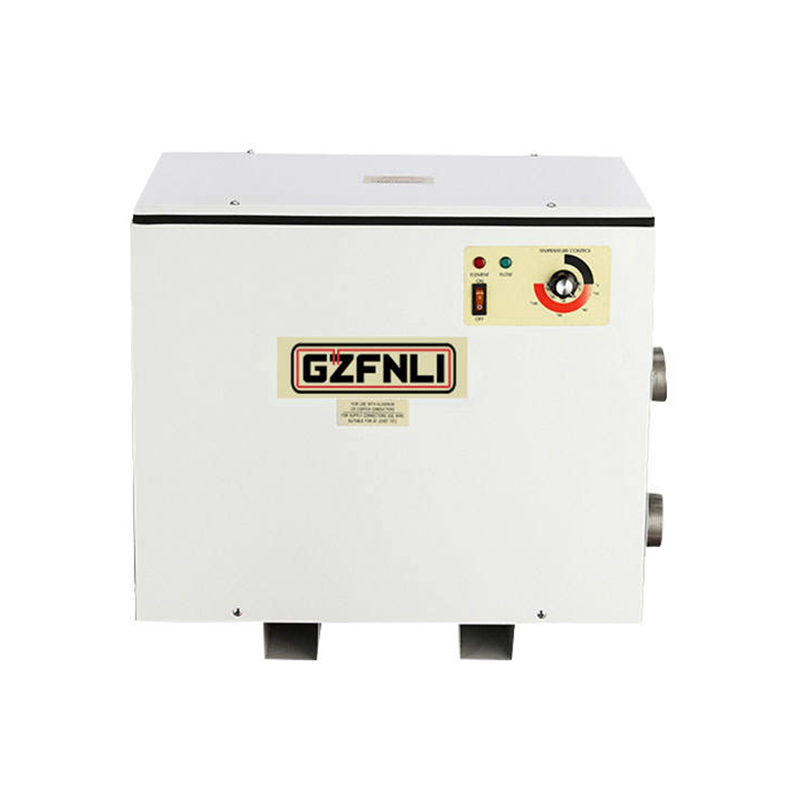
These units use direct electrical resistance heating. They function similarly to a standard home water heater but on a larger scale. Electrical currents pass through a heavy-duty resistor element to generate heat directly in the water flow. They are best for very small bodies of water, such as plunge pools or therapy tubs. Indoor spas benefit from their completely emission-free operation, eliminating the need for complex exhaust venting. They work well in high-rise buildings or dense urban areas where running new gas lines is physically unviable.
An electric pool heater features a highly compact footprint, fitting into tight equipment pads easily. Unfortunately, they are extremely inefficient for large swimming pools. They require a massive electrical amperage draw to generate sufficient BTUs. A standard 24kW unit can pull 100 amps continuously. Upgrading facility electrical panels is almost always necessary to support this load. Single-phase residential power often cannot support their demands without a heavy service upgrade from the local utility company.
Pool Heat Pumps (Air-Source & Water-Source)
Heat pumps extract ambient heat from the surrounding air or ground. They transfer this captured heat to the pool via a complex refrigeration cycle utilizing a compressor, evaporator coil, and titanium heat exchanger. They do not generate heat directly through combustion or resistance. They are best for maintaining constant baseline temperatures over long periods. Humid and warm climates maximize their operational efficiency because the air holds abundant thermal energy. High-usage commercial pools prioritize their low operating expenses to keep overhead manageable.
They require a high upfront capital investment. Heating speeds are significantly slower than gas alternatives, often taking days to bring a cold pool up to temperature. Air-source models lose efficiency rapidly in freezing ambient temperatures because there is less heat available to extract. They perform best when ambient air remains above 50°F. Some advanced models feature hot gas bypass valves for active defrosting, allowing them to operate in slightly lower temperatures without freezing the evaporator coil.
Solar Pool Heaters
Solar systems pump pool water through sun-heated collector panels mounted on a roof or ground rack. The sun warms the water as it flows through the narrow tubes before it returns to the pool basin. They are best for eco-conscious residential applications looking to reduce their carbon footprint. Off-grid locations benefit greatly from their independence from utility grids. They serve exceptionally well as supplementary heating systems, taking the load off primary gas or electric units during peak summer months.
They offer zero operational energy cost beyond the electricity used by the circulation pump. However, they are highly weather-dependent. Cloudy days, rain, or heavy shade halt the heating process entirely. They require significant, unshaded roof or ground space—often equal to 50% to 100% of the pool's surface area. You must install motorized diverter valves tied to a temperature sensor to prevent nighttime heat loss. If the water circulates through the panels at night, the system acts as a massive radiator and cools the pool rapidly.
Key Evaluation Dimensions: Features to Outcomes
Energy Efficiency and Operating Costs
Evaluating efficiency requires understanding different engineering metrics based on the technology. Compare the Coefficient of Performance (COP) in heat pumps. Heat pumps often achieve a COP ranging from 5.0 to 6.0. This means they produce five to six units of heat energy for every one unit of electrical energy consumed. Gas heaters use thermal efficiency percentages instead. They typically range from 82% to 95% efficiency. A 95% efficient gas heater loses only 5% of its heat through the exhaust vent, transferring the rest directly into the water.
Projecting monthly utility impacts requires accurate local data. Check your local kilowatt-hour (kWh) rates for electricity and therm rates for natural gas. Multiply your heater's projected consumption by these local rates. This calculation reveals the true operational cost over time. High-efficiency equipment costs more upfront but saves money monthly. You must weigh the initial capital expenditure against the projected monthly utility bills based on your specific usage habits.
| Technology Type | Primary Mechanism | Efficiency Metric | Heating Speed | Ideal Climate |
| Gas Heater | Combustion | 82% - 95% Thermal Efficiency | Very Fast | All Climates (Best for Cold) |
| Heat Pump | Refrigeration Cycle | 5.0 - 6.0 COP | Slow to Moderate | Warm / Humid Climates |
| Electric Resistance | Direct Electrical Element | ~100% Efficiency | Fast (Small Volumes) | Indoor / Mild Climates |
| Solar Heater | Thermal Collection | N/A (Zero Energy Cost) | Weather Dependent | High Sun Exposure Areas |
Scalability and Redundancy for Commercial Facilities
A commercial swimming pool heater setup demands absolute reliability. You must cascade multiple heaters to ensure N+1 redundancy. This engineering strategy eliminates single points of failure. If one unit requires maintenance or fails during a holiday weekend, the others maintain the target temperature without interrupting facility operations. Cascading requires sophisticated manifold plumbing. Reverse return manifolds ensure equal water flow and pressure through all connected heaters, preventing any single unit from taking the brunt of the flow and wearing out prematurely.
Bypass valve configurations are critical for system health. They manage flow rates effectively across the heat exchangers. Integrating heaters with variable speed pumps requires precise flow management. Too little flow triggers internal safety shutoffs and causes the water inside the heat exchanger to boil. Too much flow causes severe internal copper erosion, stripping the metal away over time. You must install external bypass loops with spring-loaded check valves for high-horsepower commercial pumps to divert excess water around the heater.
Automation and Building Management System (BMS) Integration
Modern aquatic facilities require smart automation to operate efficiently. Remote monitoring allows operators to track temperatures, flow rates, and error codes off-site via mobile applications. Automated temperature setbacks during off-peak hours save significant energy. You can program the system to drop temperatures by a few degrees at night when the pool is closed and bring it back up before opening. Diagnostic alerts warn you before major mechanical failures occur, sending notifications for low flow or ignition lockouts.
Preventative maintenance becomes much easier with BMS integration. You can track performance trends, monitor run hours, and schedule service proactively rather than reacting to a breakdown. Advanced heaters accept 0-10V control signals from central facility computers. They integrate seamlessly with Modbus or BACnet facility networks. This allows central control of the entire aquatic environment, syncing the heating equipment with circulation pumps, chemical feeders, and HVAC dehumidification systems.
Implementation Risks and Mitigation Strategies
Infrastructure Constraints
Infrastructure limitations often derail installation projects before they begin. Undersized electrical panels pose a major risk. Specifying an electric unit or a large commercial heat pump requires substantial amperage. Verify your panel capacity and available breaker space before purchasing any equipment. Voltage drops on long electrical runs will damage sensitive compressor motors. You must use the correct wire gauge based on the distance from the breaker panel to the equipment pad to prevent voltage sag.
Gas heaters demand specific infrastructure checks. Verify the gas meter capacity, the pipe diameter, and the total run length from the meter to the heater. Calculate the required Cubic Feet per Hour (CFH) for the specific unit. Dynamic gas pressure must meet strict manufacturer specifications while the unit is firing. High-BTU gas heaters will fail without adequate gas flow. Low pressure causes soot buildup, dangerous combustion misfires, and delayed ignition explosions inside the cabinet.
Environmental and Zoning Regulations
Regulatory compliance is strictly non-negotiable. Heavily regulated jurisdictions enforce Low-NOx emission standards to improve air quality. California and Texas mandate these strict environmental controls for all gas heaters installed within specific counties. Standard gas heaters will fail building inspections in these areas, and utility companies will refuse to turn on the gas. You must specify certified Low-NOx equipment featuring specialized burners and blower motors.
Local noise ordinances dictate equipment placement. Heat pumps generate fan and compressor noise that travels easily across property lines. You must place them carefully to comply with local decibel limits. Keep them away from guest windows, neighboring patios, and outdoor dining areas to avoid noise complaints. Acoustic blankets can reduce compressor decibel output slightly, and strategic landscaping can help baffle the sound waves.
Maintenance and Lifespan Realities
Improper water chemistry destroys equipment rapidly. Severe corrosion risks threaten every installation if the water is not balanced. Saltwater chlorine generators cause unique problems for heating equipment. They create a highly conductive water environment. High salt levels accelerate galvanic corrosion between dissimilar metals. Improper pH levels strip metal directly from heat exchangers, depositing copper stains on the pool plaster. Low calcium hardness makes water aggressive, seeking minerals from the equipment. You must balance the Langelier Saturation Index (LSI) weekly to keep the water neutral.
Select specific heat exchanger materials to mitigate chemical damage. Cupronickel is highly recommended for gas heaters, offering superior resistance to low pH compared to standard copper. Titanium provides the ultimate protection for heat pumps, remaining virtually impervious to salt and chemical degradation. These materials resist corrosion and extend equipment life significantly. Install a sacrificial zinc anode in the plumbing line before the heater. The anode corrodes before your expensive heater components do, sacrificing itself to protect the system.
Mandatory winterization protocols are critical in cold climates. You must protect the equipment from freezing temperatures.
Turn off all power and gas supplies to the unit.
Open all drain plugs on the heat exchanger headers.
Use compressed air to blow out residual water from the internal tubes.
Disconnect the pressure switch to prevent water from freezing inside the copper capillary tube.
Cover the unit to prevent snow and debris from entering the exhaust vent.
Catastrophic freeze damage will destroy the internal copper tubes, splitting them open. This specific damage is never covered by manufacturer warranties.
Conclusion
Conduct a professional BTU sizing audit based on your specific pool surface area, target temperature, and local climate data.
Evaluate your local utility rates for both electricity and natural gas to project accurate monthly operating expenses before selecting a technology.
Assess your current electrical panel capacity and gas line infrastructure to ensure they can support the new equipment load.
Install a high-quality thermal pool cover to minimize evaporation, retain heat, and drastically reduce the required heating load.
Implement a strict water chemistry maintenance schedule, balancing the LSI weekly to protect the heat exchanger from premature corrosion.
FAQ
Q: What is the most energy-efficient pool heater on the market?
A: Pool heat pumps are generally the most energy-efficient option. They extract ambient heat from the air rather than generating it through combustion or electrical resistance. They often feature a Coefficient of Performance (COP) between 5.0 and 6.0, meaning they produce up to six times more energy than they consume.
Q: How many BTUs do I need for a commercial swimming pool heater?
A: BTU requirements depend entirely on the pool's surface area, target temperature, and local climate. Commercial pools often require multiple cascaded units producing anywhere from 400,000 to over 2,000,000 BTUs combined. A professional sizing audit is mandatory to ensure rapid recovery times and handle heavy bather loads.
Q: What is the ideal temperature for a swimming pool, and how does it affect heater sizing?
A: The industry standard for comfortable swimming ranges from 78°F to 86°F. Higher target temperatures require a larger temperature delta from the ambient air. This increased delta demands a higher BTU output from your heater, directly impacting the size and capacity of the equipment you must install.
Q: Can I use a spa water heater to heat a small swimming pool?
A: No, spa heaters are designed for very small volumes of water and rapid, short-term heating. Using one for a swimming pool will result in continuous operation, massive energy consumption, and premature equipment failure. Always size the heater specifically for the pool's total surface area.
Q: How much does it cost to run an electric pool heater per month?
A: Operating costs vary drastically based on local electricity rates, pool size, and climate. Because electric resistance heaters consume massive amounts of electricity, they are the most expensive to operate. Monthly costs will be exceptionally high if the unit is used continuously for a large pool.
Q: Do pool heating systems work effectively in the winter?
A: Gas heaters work efficiently in freezing temperatures because they rely on combustion. Air-source heat pumps lose efficiency rapidly when ambient temperatures drop below 50°F. If you need reliable winter heating in a cold climate, a gas heater is the only viable option.
Q: What is the exact difference between a pool heat pump and a gas heater?
A: A gas heater burns fuel to create heat rapidly, making it ideal for fast heating and cold climates. A heat pump uses electricity to capture ambient heat from the air, transferring it to the water. Heat pumps are much slower but significantly more energy-efficient in warm climates.


