A closed aquatic facility directly correlates with negative guest reviews and reduced Revenue Per Available Room. It creates severe front-desk friction. Guests expect amenities to remain open and pristine during their entire stay. When a single circulation pump fails, the entire system shuts down. Health codes mandate immediate closure for chemical feeder failures. You cannot operate a commercial water body without proper sanitation and turnover rates. This operational reality demands a strategic backup equipment plan. Facility managers must identify single points of failure in standard aquatic setups. We must shift from reactive maintenance to proactive redundancy. Having spare parts and standby systems guarantees continuous availability. It ensures strict health code compliance. It protects your property's reputation and bottom line.
Redundancy is a Revenue Protector: Investing in standby circulation, automated cleaning, and dosing systems prevents multi-day closures caused by supply chain delays for replacement parts.
Compliance Requires Continuous Power: Health and safety codes mandate operational filtration, barrier security, and emergency lighting; backup power infrastructure is non-negotiable for commercial pools.
Supplier SLA Matters: Selecting a hotel pool equipment supplier should be based on their guaranteed response times and local inventory, not just initial hardware costs.
Safety Gear is Baseline Uptime: Missing or damaged rescue equipment (life rings, shepherd's hooks) results in immediate forced closures by health inspectors; maintaining backup safety inventory is critical.
The Operational Cost of Downtime: Framing the Need for Redundancy
Define clear success criteria for your aquatic operations. A standard benchmark is 99% uptime during operational hours. You must target zero health-department-mandated closures. Achieving these metrics requires physical hardware readiness. When primary systems fail, the clock starts ticking on guest dissatisfaction. A broken heater leads to cold water complaints within hours. This forces front desk staff to issue guest compensation or room discounts. You end up paying exorbitant expedited shipping fees for emergency replacement parts. Potential liability increases if water chemistry drifts into unsafe ranges. Maintaining backup commercial swimming pool equipment stops this cascade immediately.
Equipment breakdown insurance plays a massive role in risk mitigation. Ensure your policies comprehensively cover mechanical pumps, the pool basin, deck, and plumbing structures. Underwriters look favorably on facilities with built-in redundancy. Demonstrating a proactive backup strategy often satisfies strict underwriting requirements. It proves you actively manage operational risks rather than waiting for catastrophic failures. Documenting your standby hardware inventory can sometimes lower your annual premiums.
Downtime Cascade Analysis
| Failed Component | Immediate Operational Impact | Guest Experience Result | Financial Consequence |
| Primary Circulation Pump | Zero water turnover; filtration stops | Facility closed immediately | Lost revenue; expedited freight costs |
| ORP/pH Controller | Sanitation levels drop or spike | Skin irritation; facility closed | Health department fines; liability claims |
| Commercial Heater | Water temperature drops to ambient | Refusal to swim; complaints | Room discounts; negative online reviews |
| Electronic Gate Lock | Barrier fails open | Unauthorized access risk | Security breach; severe liability exposure |
Core Redundancy: Categorizing Backup Systems
Primary Circulation and Filtration Failsafes
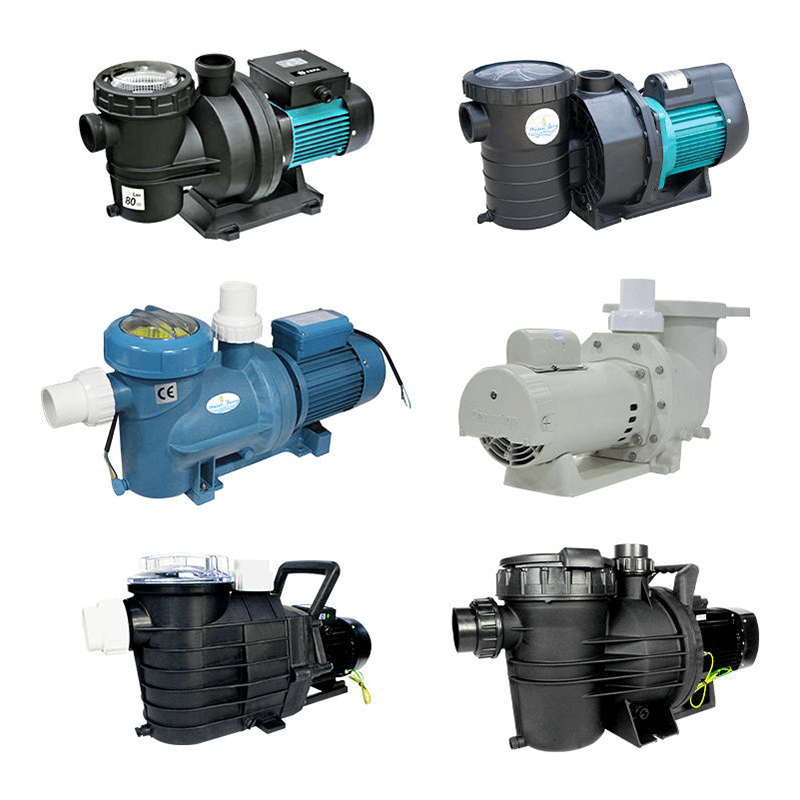
Plumbing a dual-pump manifold requires specific hydraulic planning. You must size the suction and return headers to handle the maximum flow rate of both pumps running simultaneously, even if you only intend to run one at a time. Install true union ball valves and swing check valves on the discharge side of each pump. This configuration allows a maintenance technician to isolate a failed motor, unbolt the flange, and pull the unit for bench repairs without draining the flooded suction lines. If floor space prohibits a side-by-side manifold, keep a crated spare motor and wet end on a pallet rack in the same room. Pre-wire the spare with a matching quick-disconnect whip to cut swap time from four hours down to forty-five minutes.
Filtration media backups are equally critical. Sudden water clarity issues force immediate closures. You must have spare filter cartridges available in the mechanical room. Immediate access to replacement sand or glass media resolves sudden spikes in turbidity. Do not wait for a supplier to ship media when your water turns cloudy. Keep at least one full changeout of media stacked on pallets in a dry storage area.
Proper valving and bypass configurations save hours of labor. Good plumbing design allows maintenance staff to isolate failed components. You can bypass a leaking heat exchanger while keeping the filtration loop active. Install bypass loops around all major chemical feeders and UV sanitizers. Use Schedule 80 PVC for all bypass manifolds to handle the pressure fluctuations during valve transitions.
Chemical Automation and Dosing Redundancy
An ORP controller is the brain of your sanitation loop, but it relies entirely on the integrity of its probes. Probes foul rapidly in high-bather-load environments due to body oils, sunscreen, and calcium scale. When a probe fails, the controller either stops feeding chlorine entirely or dumps raw sodium hypochlorite until the vat is empty. Both scenarios result in immediate health department closures. Keep a calibrated set of backup probes in a storage solution vial on the mechanical room shelf.
Wire a secondary, manually adjustable peristaltic pump into the chemical feed loop. If the primary controller board fries during a power surge, you can manually calculate the required feed rate, activate the backup pump, and keep the water safe while waiting for replacement electronics. Never attempt to nurse a dying pH probe. Replace it immediately to maintain safe water chemistry.
Automated Cleaning and Maintenance Tools
Deploy commercial-grade automated pool cleaners as stopgaps. Robotic cleaners maintain baseline water clarity. They handle heavy debris removal if primary circulation flow drops. Run them during minor pump repairs to keep the pool visually appealing. They provide excellent supplemental filtration, capturing particulate matter down to two microns.
Automation controllers fail during power surges. Keep backup mechanical and digital timers on hand. They ensure filtration cycles remain uninterrupted. Wire a manual override switch into your contactor panel. This allows staff to force pumps on if the digital automation brain dies. Keep spare contactors and relays in your electrical troubleshooting kit.
Climate Control: Heaters and Environmental Systems
Relying on a single two-million BTU commercial heater creates a massive vulnerability. When the thermal regulator fails or the heat exchanger scales over, the entire body of water drops to ambient temperature within 48 hours. Guests will refuse to swim, and front desk staff will face relentless complaints. Instead, design a cascaded array using four 500,000 BTU units plumbed in parallel. Program the master controller to rotate the firing sequence, equalizing wear and tear across all four units. If one heater throws an ignition lockout code, the other three automatically ramp up to carry the thermal load.
Backup ventilation is critical for indoor resort pool equipment. It prevents structural moisture damage. Redundant exhaust fans stop condensation from destroying drywall and fixtures. Ensure your dehumidification system has a secondary fan motor on site. Indoor air quality directly impacts guest comfort and facility longevity. Keep spare belts, filters, and condensate pump floats in the HVAC storage locker.
Power and Infrastructure: Keeping Systems Online
Backup Generators for Pool Systems
Tie specific components to emergency backup generators. Detail your load prioritization carefully. Essential life-safety loads include fire pumps and smoke ventilation. Add dedicated pool-access elevators to this list. Include primary circulation pumps and chemical controllers. Leave non-essential loads like decorative water features and spa jets off the generator to conserve fuel and capacity.
Automatic Transfer Switches (ATS) ensure seamless transitions. They prevent severe voltage drops during grid outages. This protects sensitive circuit boards in your automation systems. Ensure your ATS is rated for the high inrush current of commercial pump motors. Test the transfer sequence monthly under load. Verify phase monitors are installed to protect three-phase motors from single-phasing during partial grid failures.
Generator Load Prioritization
| Equipment Type | Generator Priority | Reasoning |
| Emergency Egress Lighting | Critical / Life Safety | Mandatory for safe evacuation during blackouts |
| Primary Circulation Pump | High | Maintains water turnover and prevents stagnation |
| Chemical Dosing Controller | High | Keeps sanitation levels legal and safe |
| Electronic Gate Locks | High | Maintains barrier security and prevents unauthorized access |
| Decorative Water Features | Do Not Connect | Non-essential load; wastes generator capacity |
Life Safety and Access Control Continuity
Compliance requires battery-backed lighting. Generator-supported lighting must illuminate the pool deck. The mechanical room also requires continuous lighting for emergency repairs. You cannot troubleshoot a leaking pump in pitch darkness. Verify battery runtimes quarterly. Replace sealed lead-acid batteries in emergency fixtures every three years regardless of test results.
Magnetic door holds must fail-secure. Card readers and self-latching gates must remain operational during power loss. Conduct annual physical inspections for pool fencing. Check gates and self-latching hardware. Confirm mechanical integrity alongside electronic systems. A gate that fails open during a blackout is a massive liability.
Test magnetic locks for holding force using a digital force gauge.
Verify battery backups in card readers and keypad entry systems.
Inspect gate hinges for proper tension and lubricate with marine-grade grease.
Confirm self-latching mechanisms engage fully from a resting position.
Check perimeter fencing for structural damage, rust, or loose anchor bolts.
Safety and Compliance: Mandatory Rescue Equipment Inventory
Maintaining Backup Rescue Gear
You need immediate replacements for degraded safety gear. UV-damaged plastics fail during emergencies. Splintered fiberglass shepherd's hooks cause severe hand injuries to rescuers. Punctured rescue tubes lose their buoyancy. Health inspectors will shut down your pool if this equipment is missing or compromised. Keep a dedicated inventory of replacement safety gear in a climate-controlled closet.
Use environment-appropriate backups. Keep lightweight life buoy rings for standard indoor pool decks. Deploy heavy-duty rings for outdoor resort waterfronts. Maintain spare rescue cans and floats in a dry storage closet. Differentiate safety assets by zone to ensure lifeguards have the right tools for specific water depths and conditions.
Inspect lifeguard chairs and reaching assists weekly. Ensure they meet current safety checklists. They must remain structurally sound under heavy loads. Replace rusted hardware on elevated stations immediately. Keep spare mounting bolts, non-slip tread tape, and brackets in your maintenance shop.
Automated Monitoring and Alarm Systems
Water chemistry alarms provide remote alerts. Facility managers receive instant text notifications when chemical levels deviate. This prevents silent failures from becoming public health hazards. Install redundant flow switches to verify water is actually moving past the sensors. A stuck flow switch can trick a controller into dumping acid into a stagnant pipe, creating a dangerous chlorine gas pocket.
Security cameras support physical lifeguard presence. Secondary monitoring systems mitigate liability. Submersion detection systems provide an unblinking eye on high-risk aquatic zones. Ensure these monitoring systems run on uninterruptible power supplies (UPS) to survive brief power blips. Test the UPS battery health semi-annually.
Evaluating a Supplier: Decision Criteria
Service Level Agreements (SLAs) and Parts Availability
Frame your evaluation around local inventory. Drop-shipping delays repairs by days or weeks. Your supplier must provide same-day or next-day replacement. This is non-negotiable for mission-critical hotel swimming pool equipment. Ask for physical proof of their local warehouse stock levels. Tour their facility to verify they actually hold the large horsepower motors and commercial filters you rely on.
Assess technical support access. 24/7 technical support holds massive value. On-site diagnostic capabilities from the supplier reduce downtime. You need experts available when midnight failures occur. A supplier who only answers emails during business hours will cost you revenue. Demand a dedicated account manager with a direct mobile number.
Warranty Coverage and Standardization
Scrutinize warranty fine print. Understand labor costs associated with warranty work. Evaluate downtime implications during warranty claims. A free replacement motor means nothing if it takes three weeks to arrive. Negotiate advanced replacement terms in your purchasing contracts. This forces the supplier to ship the new part immediately, before receiving the broken unit for inspection.
Use the same equipment brands across your hospitality portfolio. This streamlines maintenance training. It drastically reduces the variety of spare parts you must stock. Partner with a reliable hotel pool equipment supplier to enforce this consistency. Standardization simplifies troubleshooting for your engineering staff. When every property uses the exact same chemical controller, a technician from one hotel can easily cover a shift at another without a learning curve.
Implementation Risks and Mitigation Strategies
Space Constraints in Mechanical Rooms
Installing redundant systems in cramped pump rooms is difficult. Existing layouts rarely accommodate dual manifolds easily. You must address these physical realities during the planning phase. Measure doorway clearances before ordering large backup filters. A massive fiberglass sand filter does no good if it cannot fit through the mechanical room double doors.
Use modular equipment to mitigate space issues. Install vertical racking solutions for chemical feeders and controllers. This maximizes limited floor space while maintaining required service clearances. Mount variable frequency drives (VFDs) on the wall rather than the floor. Use unistrut framing to build custom, multi-tiered racks for your peristaltic pumps and acid vats.
Integration with Building Management Systems (BMS)
Integrating new backup controllers with legacy hotel BMS software causes headaches. Proprietary protocols lock you out of unified dashboards. You end up managing the pool from a separate, isolated computer. This defeats the purpose of centralized facility management. The facility engineer ends up walking down to the pump room three times a day just to check the pH levels.
Require open-protocol compatibility for all upgrades. Specify BACnet MS/TP or Modbus RTU communication cards for all new electronic pool equipment. This ensures seamless communication across facility platforms. Your engineering team can monitor pool temperatures and pump statuses directly from the main control room. Set up hard alarm thresholds that trigger SMS alerts to the on-duty engineer if flow drops below the minimum required gallons per minute.
BMS Integration Protocol Comparison
| Protocol Type | Compatibility | Implementation Complexity | Recommendation |
| Proprietary / Closed | Limited to single manufacturer | High (requires custom gateways) | Avoid for new installations |
| Modbus RTU | Wide industrial support | Medium (requires register mapping) | Acceptable for basic monitoring |
| BACnet IP | Modern commercial standard | Low (auto-discovery features) | Highly Recommended |
Follow these integration steps:
Audit current BMS protocol capabilities with your IT department.
Specify BACnet IP or MS/TP communication cards for new controllers.
Map data points for water temperature, flow rate, ORP, and pH.
Set up alarm thresholds in the central dashboard for out-of-range metrics.
Conduct end-to-end communication tests before signing off on the installation.
Conclusion
Conduct a single-point-of-failure audit on your current mechanical room to identify missing redundant systems.
Order spare ORP and pH probes, peristaltic pump tubes, and contactors to build an immediate on-site emergency repair kit.
Schedule a load test with your electrical contractor to verify the backup generator can handle the primary circulation pumps.
Request updated Service Level Agreement proposals from your current suppliers to guarantee next-day parts delivery.
Replace any UV-degraded or splintered rescue equipment on the pool deck immediately to ensure health code compliance.
FAQ
Q: What is the most critical backup equipment for a commercial hotel pool?
A: Circulation pumps and chemical dosing systems are the most critical. If a pump fails, water stops filtering. If a chemical feeder fails, sanitation drops. Both scenarios result in immediate health code closures. Maintaining standby pumps and manual dosing equipment prevents these forced shutdowns.
Q: How often should hotel pool safety equipment and barriers be inspected?
A: Conduct daily visual checks for rescue gear like life rings and shepherd's hooks. Perform annual physical inspections for perimeter fencing and self-latching gates. Replace any UV-degraded plastics immediately, as they become brittle and fail during actual emergency rescues.
Q: Does equipment breakdown insurance cover hotel pool pumps and heaters?
A: Yes, it typically covers sudden mechanical or electrical failures of pumps, heaters, and controllers. However, it does not cover standard wear and tear. Ensure your policy also encompasses the pool basin and plumbing structures to provide comprehensive protection.
Q: Should hotel pool filtration systems be connected to backup generators?
A: Yes. Health codes require continuous water turnover to maintain sanitation. Connect primary circulation pumps and chemical controllers to emergency power. Ensure life-safety systems like fire pumps and smoke ventilation take priority on the generator load.
Q: What should I look for in a commercial hotel pool equipment supplier?
A: Prioritize suppliers with robust local parts inventory and guaranteed response times. Look for 24/7 technical support and comprehensive commercial warranty support. Avoid suppliers who rely entirely on drop-shipping, as this causes unacceptable delays during emergency repairs.
Q: How can I add redundant pool heaters without expanding my mechanical room?
A: Utilize cascading modular heaters. Instead of one massive unit, install several high-efficiency compact units stacked or arranged tightly. If one module fails, the others continue running, maintaining baseline water temperatures without requiring a larger mechanical footprint.
Q: What are the local barrier requirements for hotel pools during a power outage?
A: Electronic access controls must fail-secure. Magnetic door holds, card readers, and electronic gates must remain locked or operational via battery backup during a power loss. This prevents unauthorized access and maintains strict compliance with barrier safety regulations.


