Maintaining commercial or high-end residential water quality goes beyond simply adding daily chemicals. Precise mechanical and hydraulic synergy drives a clean, safe aquatic environment. Facility managers often underestimate the hidden complexity behind crystal-clear water. Piecemeal equipment sourcing frequently leads to dangerous flow rate mismatches across the system. These incompatible parts create stagnant water zones, trigger compliance failures, and drive up daily chemical consumption. Fragmented setups simply struggle to maintain balanced chemistry under varying bather loads.
In this article, we explore why integrating cohesive machinery forms the true foundation of reliable pool management. You will learn how unified systems effectively eliminate hydraulic bottlenecks while simplifying daily maintenance routines. Discover why investing in Full Set Swimming Pool Equipment acts as a strategic necessity for water safety, compliance, and budget control.
Key Takeaways
System Synergy: Matched components eliminate hydraulic bottlenecks, ensuring optimal water turnover rates required by health regulations.
Cost Predictability: Integrated systems lower long-term operational costs by reducing energy waste and preventing premature component failure.
Vendor Accountability: Sourcing from a single reputable manufacturer consolidates warranties and simplifies troubleshooting.
Compliance Assurance: A unified approach guarantees that filtration, circulation, and sanitation output align with local health and safety standards.
The Business Problem: Why Mismatched Equipment Fails Water Quality Standards
Operating a commercial aquatic facility demands strict adherence to safety standards. Mismatched equipment directly jeopardizes these operational goals. You might install a highly powerful pump. You then pair it alongside an undersized filter. This specific mismatch creates severe hydraulic inefficiencies. High pressure forces water rapidly through the filtration media. We call this destructive phenomenon channelization. It prevents the media from trapping debris effectively. Micron-level contaminants bypass the filter entirely and return to the basin. The intense pressure also accelerates equipment degradation. Components fail well before reaching their expected lifespans.
Poor circulation immediately triggers severe chemical volatility. Uneven water flow fails to distribute sanitizers properly throughout the basin. Stagnant zones develop quickly in corners or deep ends. These dead spots become fertile breeding grounds for dangerous pathogens. Localized algae blooms surface without warning. Bacteria spikes immediately threaten swimmer health and safety. Facility operators often end up dumping excessive chlorine into the water. This reactionary dosing rarely solves the root circulation issue. It simply wastes expensive chemicals.
Unreliable systems elevate your regulatory and liability risks significantly. Health departments conduct routine water quality tests regularly. Fragmented setups cannot guarantee consistent sanitation levels day after day. You face sudden facility closures if bacteria counts exceed safe limits. Closing a pool damages your professional reputation instantly. It also creates immense financial strain on operations. You must ensure consistent flow dynamics to pass every health inspection confidently.
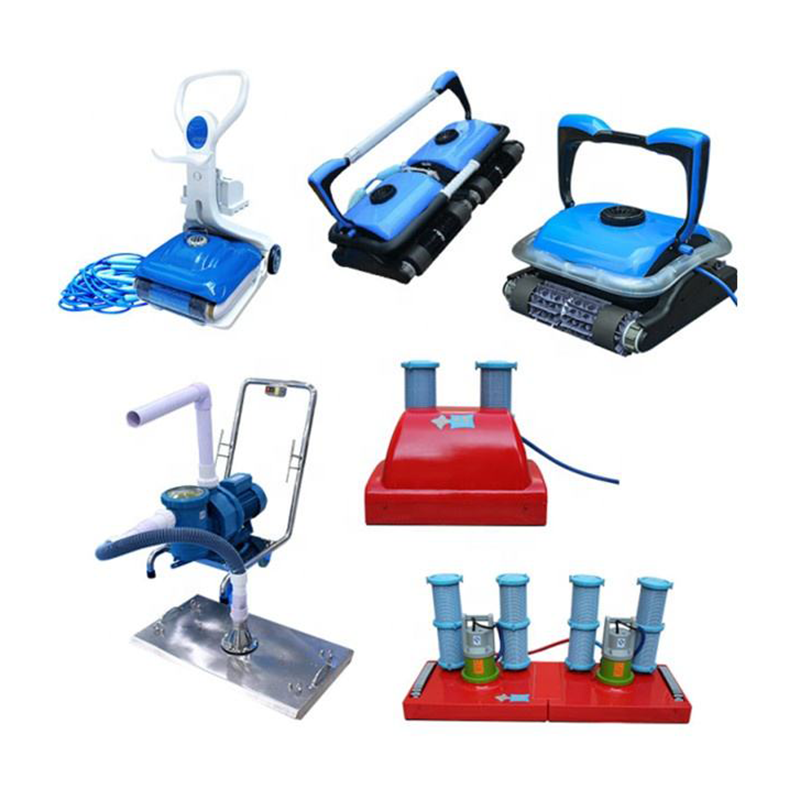
Core Components of Integrated Swimming Pool Water Treatment Equipment
A unified approach requires highly synchronized operational parts. Every single component within your swimming pool water treatment equipment must complement the others flawlessly. We categorize these essential elements into four main operational pillars.
First, consider the circulation engine. Pumps act as the beating heart of your infrastructure. Variable speed drives offer the most efficient baseline requirement today. They move massive water volumes without drawing excess electrical energy. You can easily program variable speed drives to run at low RPMs overnight. This maintains baseline filtration while slashing electricity bills significantly.
Next, we examine advanced filtration systems. You might use standard sand, cartridge, or diatomaceous earth setups. The filter capacity must exactly match the pump flow rate. A perfectly sized filter captures micron-level contaminants highly effectively. If rates mismatch, the media either clogs rapidly or allows dangerous debris to pass through unhindered.
Sanitation and chemistry automation form the critical third pillar. Modern setups utilize specialized UV systems or powerful ozone generators. Many facilities prefer industrial salt chlorinators. These units work alongside automated pH and ORP dosers seamlessly. Automated sensors maintain safe chemical margins continuously. They inject precise sanitizer doses the exact moment levels drop.
Finally, climate control impacts your overall water chemistry. Heaters and heat pumps regulate water temperature accurately. Warm water consumes free chlorine much faster than cold water. You need heating units fully compatible alongside your established flow rates. If a heater restricts internal flow, the entire circulation engine suffers immensely.
Evaluation Framework: Features vs. Water Quality Outcomes
Evaluating your mechanical infrastructure requires a clear, logical framework. You must connect mechanical features directly to tangible water quality outcomes. Start by validating your system turnover rate. Industry standards dictate filtering the entire pool volume within specific timeframes. Commercial pools typically require a four to six-hour turnover. You should audit your system mathematically. Calculate total gallons divided by the pump gallons-per-minute output. This straightforward math ensures you meet stringent health department mandates.
Resource efficiency significantly offsets your initial capital expenditures. Variable speed technology and advanced filtration media cost slightly more upfront. However, they deliver substantial returns on investment over time. The chart below illustrates how different media affect daily efficiency.
Filtration Media Efficiency Chart | Filtration Type | Micron Capture Rate | Resource Efficiency | Typical Application |
| Standard Sand | 20 - 40 microns | Moderate (Requires frequent backwashing) | High-bather load commercial pools |
| Cartridge | 10 - 20 microns | High (No backwashing wastewater) | Resorts and high-end residential |
| Diatomaceous Earth (DE) | 1 - 5 microns | Moderate (Requires physical media replacement) | Facilities demanding ultra-clear water |
Scalability and automation readiness also matter greatly. Your chosen setup must accommodate future technological upgrades effortlessly. You might want to add remote monitoring modules later this year. Advanced chemical automation integration requires highly compatible control boards. Planning for future scalability prevents expensive total replacements down the line.
We must acknowledge transparent operational assumptions clearly. Even the absolute best technology requires baseline manual maintenance. Electronic sensors drift over time naturally. You must calibrate pH and ORP probes regularly to maintain accuracy. Sand filters still require routine manual backwashing. Automated systems do not replace dedicated human oversight. They simply make your daily management routines highly precise.
Implementation Realities and Integration Risks
Executing a system upgrade introduces distinct implementation realities. Many facility managers face a severe integration bottleneck early on. They try forcing entirely incompatible brands to communicate. They rely heavily on third-party automation panels to bridge the communication gap. This risky approach hides extensive daily labor costs. Technicians spend days programming mismatched communication protocols. These hidden delays extend facility downtime significantly.
Warranty conflicts present another massive operational risk. Mixing brands often triggers the dreaded blame game. Imagine an expensive commercial heater shutting down unexpectedly. The diagnostic screen shows a low flow error. The heater technician blames the pump manufacturer for inadequate pressure. The pump technician points to a clogged filter restricting water. You get caught directly in the middle. You absorb the expensive repair costs yourself. Unified systems eliminate this frustrating finger-pointing completely.
You must verify several critical installation prerequisites before rolling out any new machinery. Ignoring these requirements guarantees frustrating project delays.
Spatial Footprint: Measure your mechanical room precisely. Ensure adequate clearance around every single unit for future maintenance access.
Plumbing Sizing: Verify your existing pipe diameters. Undersized pipes restrict flow dangerously and damage high-performance pumps.
Electrical Capacity: Audit your main breaker panels. Modern variable speed drives demand specific voltage and amperage minimums.
Drainage Access: Confirm floor drains can handle high-volume backwash water safely without flooding the equipment room.
Addressing these prerequisites early ensures a smooth, highly predictable installation process.
Shortlisting Logic: Selecting the Right Pool Equipment Factory
Choosing the right supplier dictates your long-term operational success. You should prioritize sourcing directly from a specialized pool equipment factory. This direct relationship ensures absolute manufacturing accountability. It mitigates complex global supply chain risks effectively. You guarantee component compatibility right from the initial design phase. Factory-direct sourcing removes unnecessary middlemen who often obscure warranty terms.
Evaluating a supplier requires looking far past basic product brochures. You must scrutinize their historical track record comprehensively. Consider the following crucial evaluation metrics during your search:
Verified ISO manufacturing standards indicating strict factory quality control processes.
Comprehensive case studies detailing successful installations of similar water volumes.
Transparent safety certifications required by global health and safety departments.
Documented availability of critical replacement parts spanning several upcoming years.
We can look at an established industry benchmark for valuable context. Companies like Guangdong Fenlin Swimming Pool demonstrate the distinct value of end-to-end solutions. They provide fully tested systems engineered specifically to operate cohesively. Their dedicated approach includes comprehensive post-sale support. This setup prevents the typical communication breakdowns seen frequently alongside fragmented vendors.
Move from theoretical evaluation to concrete action quickly. Stop guessing blindly about your flow rates. Request a comprehensive hydraulic audit of your current aquatic facility. Ask your chosen manufacturer for a customized, holistic equipment quote. This proactive step secures your water quality foundation safely.
Conclusion
Water quality rarely depends on a simple chemical equation alone. It relies heavily on highly precise mechanical execution. A seamlessly integrated machinery suite acts as the ultimate foundation for consistently safe water. It keeps your facility fully compliant and your daily swimmers protected.
Take these actionable next steps to secure your facility operations:
Audit your current mechanical room visually for obvious flow rate mismatches.
Document your exact daily bather load to determine true filtration requirements accurately.
Contact a consolidated manufacturer immediately to map out a complete, unified system blueprint.
Schedule a professional hydraulic assessment locally before purchasing any isolated replacement parts.
Stop fighting recurring algae blooms and frustrating chemistry imbalances. Upgrading to a cohesive mechanical setup resolves these daily headaches permanently.
FAQ
Q: Is it more expensive to buy full set swimming pool equipment upfront compared to individual parts?
A: The initial capital expenditure often appears slightly higher when purchasing a complete suite. However, you instantly eliminate hidden third-party integration expenses. You save extensively on labor and custom programming. Over time, perfectly matched components consume far less energy. This mechanical synergy significantly lowers your long-term costs and actively prevents premature part replacements.
Q: Can I upgrade my current system to a full set in phases, or must it be done all at once?
A: You can absolutely execute a realistic phased rollout. We recommend matching your pump and filter closely during the first phase. This secures your core hydraulic foundation. You can easily integrate matching automated chemistry controllers during the next budgetary cycle. Total overhauls remain highly optimal but are not strictly mandatory.
Q: How does a consolidated equipment set impact my warranty and maintenance schedule?
A: Consolidated systems provide a massive operational advantage through simple single-point-of-contact support. You never deal with competing manufacturers blaming each other for mechanical failures. Your factory warranties remain unified and straightforward. Furthermore, matched components share uniform maintenance intervals. This allows your team to service the entire pad efficiently during one scheduled downtime window.


